Opioid Prescribing Guidelines
Opioid prescribing guidelines are intended to support clinicians in providing safe and effective pain management while minimizing the risk of misuse, addiction, and overdose in patients.
The recommendations are grouped into four areas of consideration:
- Determining whether or not to initiate opioids for pain (Recommendations 1, 2)
- Selecting opioids and determining opioid dosages (Recommendations 3, 4, 5)
- Deciding duration of initial opioid prescription and conducting follow-up (Recommendations 6, 7)
- Assessing risk and addressing potential harms of opioid use (Recommendations 8, 9, 10, 11, 12)
The CDC guideline can be reviewed in more depth using resources linked below.
Additional prescribing recommendations tailored to multiple medical and surgical specialities can also be found below.
One of the most prominent resources is the Centers for Disease Control and Prevention (CDC) Clinical Practice Guideline for Prescribing Opioids for Pain, last updated in 2022. This comprehensive guideline is intended for clinicians providing care for patients aged 18 or older with acute pain, subacute pain, or chronic pain.
Filters
Selecting filters will auto-adjust the list.
Type at least three characters, and the list will auto-filter.
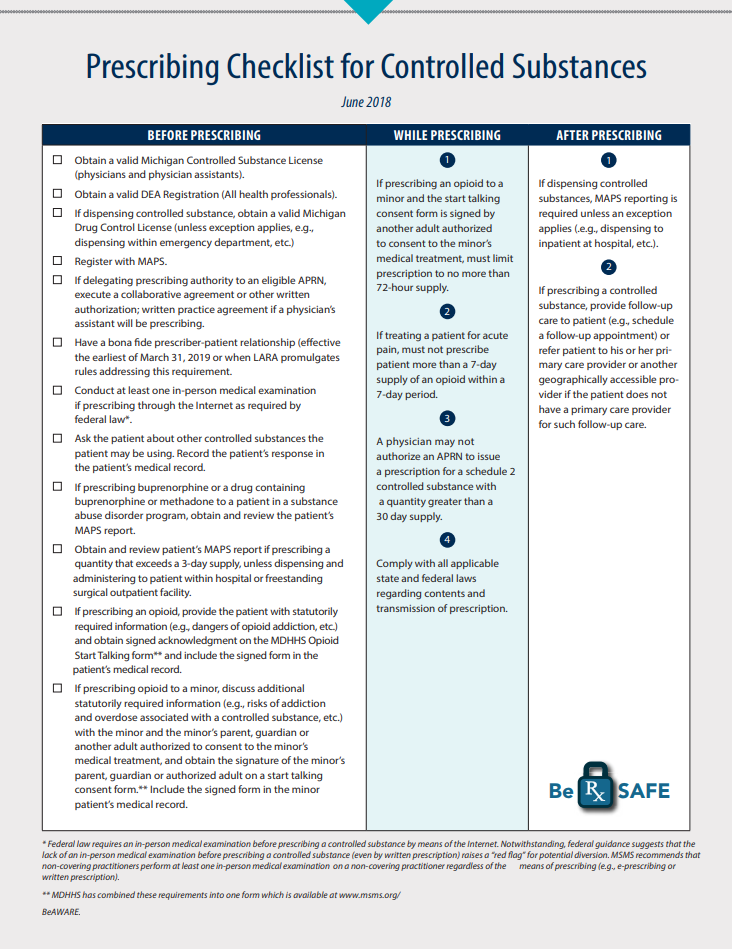
MSMS – Prescribing Checklist for Controlled Substances (updated January 2019)
Use this handout as a checklist before prescribing, while prescribing and after prescribing controlled substances.
Opioid Prescribing Guidelines
Michigan State Medical Society (MSMS) On-Demand Webinars
Link to educational webinars on safer opioid prescribing with CME credit.
Opioid Prescribing Guidelines
MDHHS – Acute Care Opioid Treatment and Prescribing Recommendations: Dental
These recommendations will assist dentists in treating patients throughout each phase of treatment: pre-procedure, prescribing, and post-procedure (for patients discharged with an opioid prescription).
Opioid Prescribing Guidelines
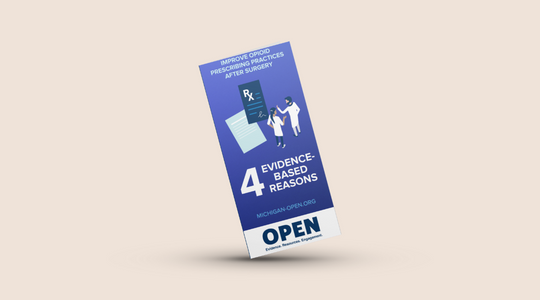
Michigan OPEN – 4 Evidence-Based Reasons to Change Opioid Prescribing Practices
This pamphlet presents 4 evidence-based reasons to change opioid prescribing habits after surgery.
Opioid Prescribing Guidelines
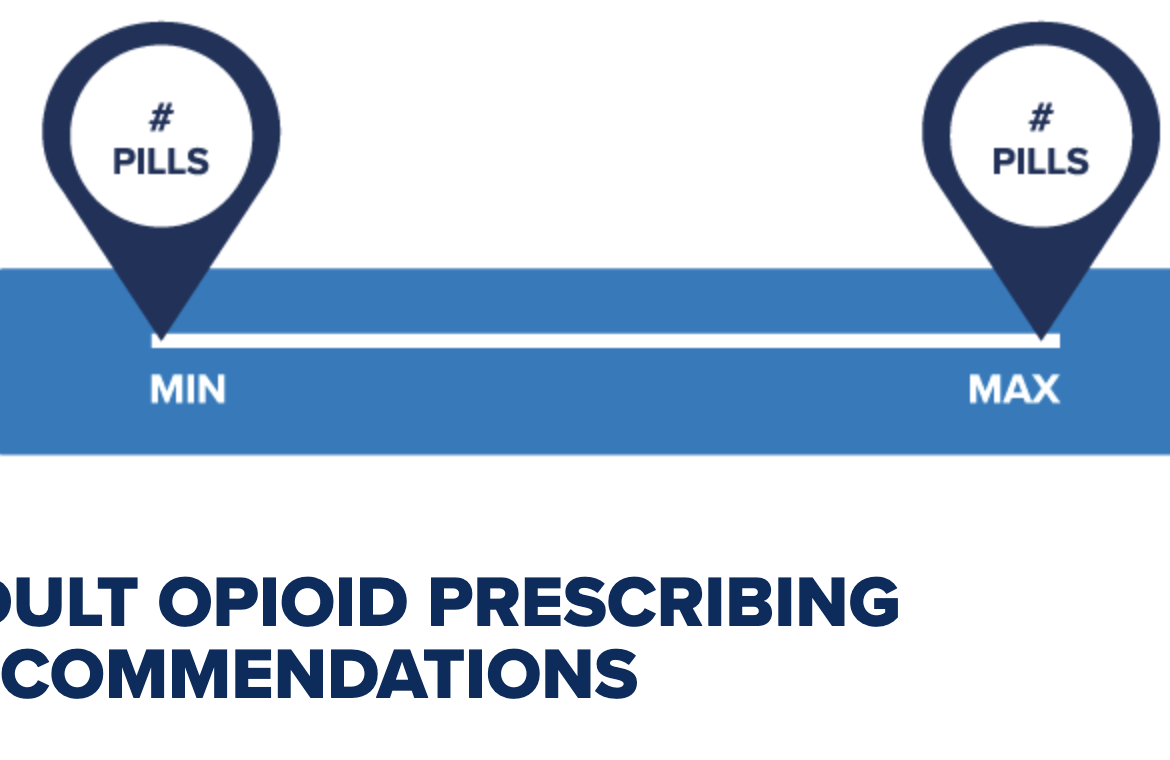
Michigan OPEN – Opioid Prescribing Recommendations for Surgery
These procedure-specific prescribing recommendations, were developed by Michigan OPEN to curb the over-prescribing of post-operative opioids for patients with no preoperative opioid use.
Opioid Prescribing Guidelines
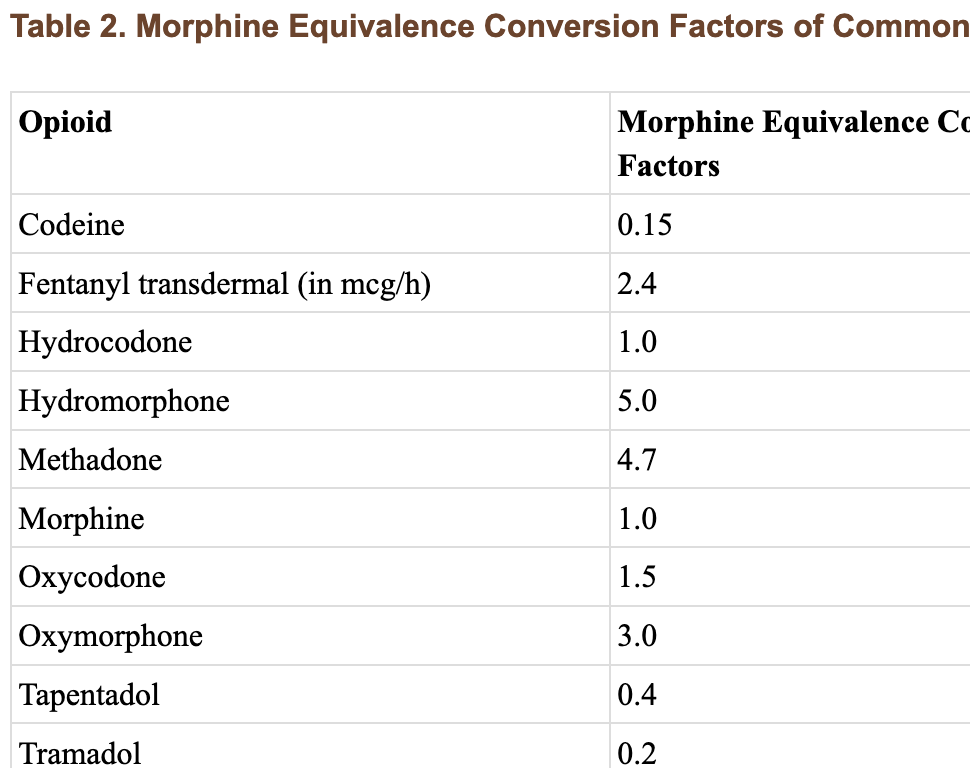
NIH: STAT Pearls: Responsible Controlled Substance and Opioid Prescribing
Recommendations for responsible prescribing of controlled substances and opioids in effort to minimize risk of prescription drug misuse.
Opioid Prescribing Guidelines
AHRQ: Opioid Treatments for Chronic Pain
This report updates and expands on a prior Comparative Effectiveness Review on long-term (≥1 year) effectiveness and harms of opioid therapy for chronic pain, including evidence on shorter term (1 to 12 months) outcomes.
Opioid Prescribing Guidelines
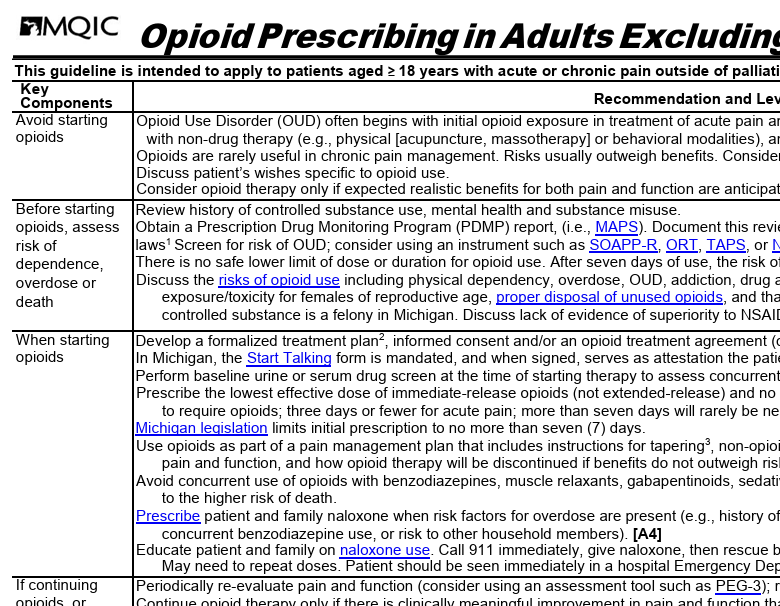
Michigan Quality Improvement Consortium Guideline on Safer Opioid Prescribing
Use this one-page guideline for patients aged ≥ 18 years with acute or chronic pain outside of palliative and end-of-life care.
Opioid Prescribing Guidelines
PCSS – Pain Core Curriculum
This is a comprehensive, 14 module-long educational curriculum for clinicians and healthcare professionals treating pain and addressing concerns related to opioid use disorder (OUD) at no cost.
Opioid Prescribing Guidelines

Safer/Compentent Opioid Prescribing Education (SCOPE) of Pain
SCOPE of Pain is a series of continuing medical education/continuing nursing education activities designed to help you safely and effectively manage patients with acute and/or chronic pain, when appropriate, with opioid analgesics.
Opioid Prescribing Guidelines
CDC – Clinical Practice Guideline at a Glance
A condensed overview of the 2022 updated practice guidelines for prescribing opioid for pain.
Opioid Prescribing Guidelines
CDC – Full Clinical Practice Guideline
The full text version of the 2022 Clinical Practice Guideline.
Opioid Prescribing Guidelines
CDC – General Prescription Opioid Information
Basic information about opioids and how they are prescribed for a general audience.
Opioid Prescribing Guidelines
Michigan State Medical Society (MSMS)
The Michigan State Medical Society has a variety of opioid-related resources, such as treatment resources, overdose prevention, online learning, prescriber resources and more for providers and patients.
General Opioid Epidemic Resources Opioid Prescribing Guidelines
FDA – What to Ask Your Doctor Before Taking Opioids: A Checklist
Opioid medications can have very serious side effects. Please use this checklist as a guide when asking your health care provider questions BEFORE taking opioids.
Opioid Prescribing Guidelines
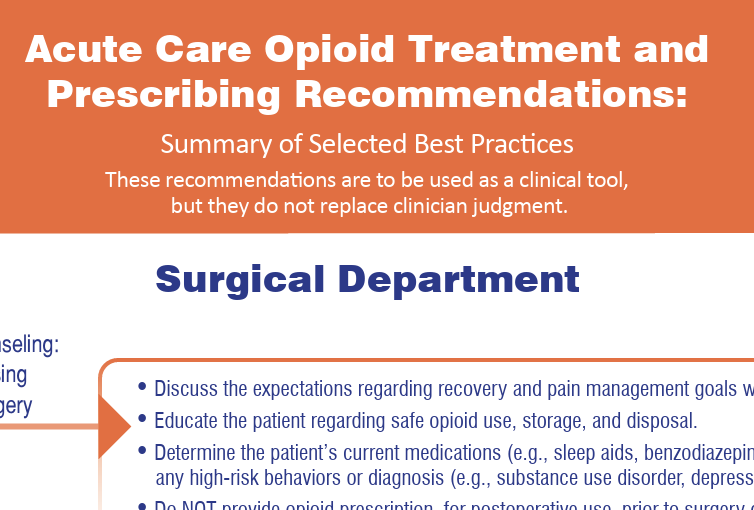
MDHHS – Acute Care Opioid Treatment and Prescribing Recommendations: Surgical
These recommendations will assist surgeons with treatment and prescribing for pain management and care.
Opioid Prescribing Guidelines
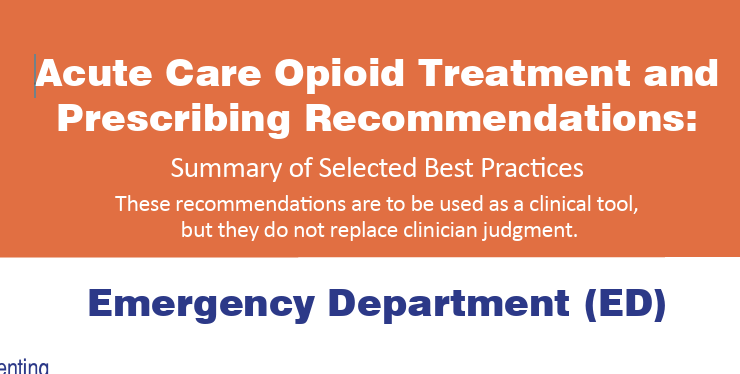
MDHHS – Acute Care Opioid Treatment and Prescribing Recommendations: Emergency Department
These recommendations will assist ED physicians with treatment and prescribing for pain management and care.
Opioid Prescribing Guidelines