Screening for Opioid Use Disorder (OUD)
The US Preventive Services Task Force recommends that all patients receiving prescription opioids should be screened for substance use disorder (SUD) and OUD.
Screening for SUD & OUD within a general clinical practice can:
- Identify patients more likely to have problem substance use
- Guide brief interventions and treatment recommendations
- Identify patients in need of treatment for a SUD
- Provide opportunities for prevention by reinforcing healthy behaviors
- Inform prescribing practices to avoid overdose and medication interactions
Screening for OUD can include:
- Checking the Prescription Drug Monitoring Program (PDMP, MAPS) report
- Interviewing the patient and including one of the screens listed below
- Urine drug screening to confirm the use of the prescribed opioid and detect other substances that might be of concern
Screening for OUD in clinical settings should be performed using validated screening tools followed by a formal diagnostic evaluation for patients with positive results.
Screening Tools and Approach
Several validated instruments can identify patients more likely to have OUD. NIDA offers an interactive chart that includes commonly used tools, and more tools are linked in the resources section of this page.
Brief tools are most feasible in busy primary care settings.
These include:
single-question screen
“How many times in the past year have you used an illegal drug or used a prescription medication for nonmedical reasons?” (any answer ≥1 is positive, with 100% sensitivity and 73.5% specificity)
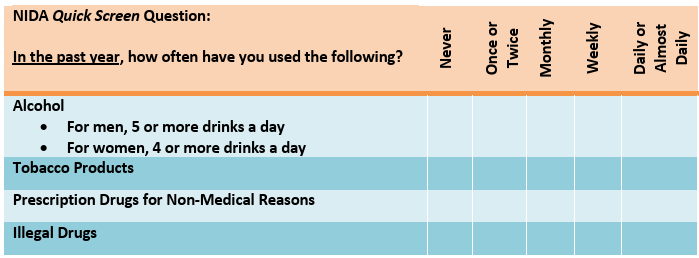
The NIDA Quick Screen, which asks 4 questions about alcohol, tobacco, nonmedical prescription drug use, and illegal drugs
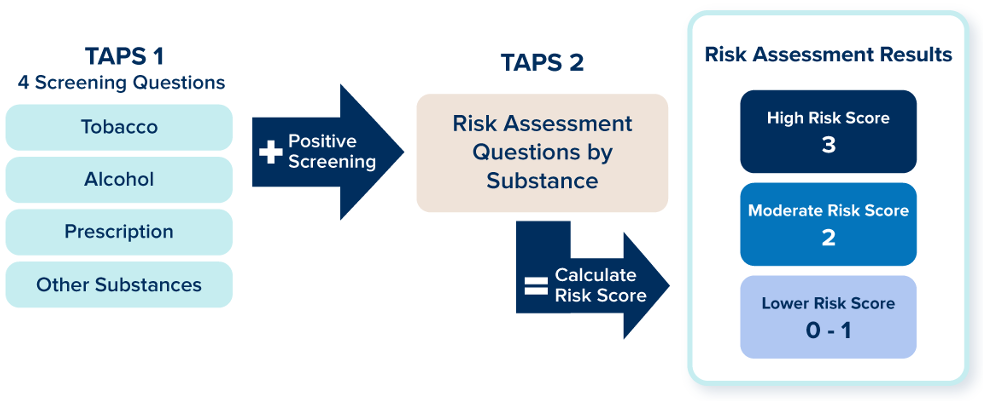
The TAPS (Tobacco, Alcohol, Prescription Medication, and Other Substance Use) tool is particularly useful when prescription opioid misuse is a concern (the interactive website gives providers resources and suggested actions for positive responses)
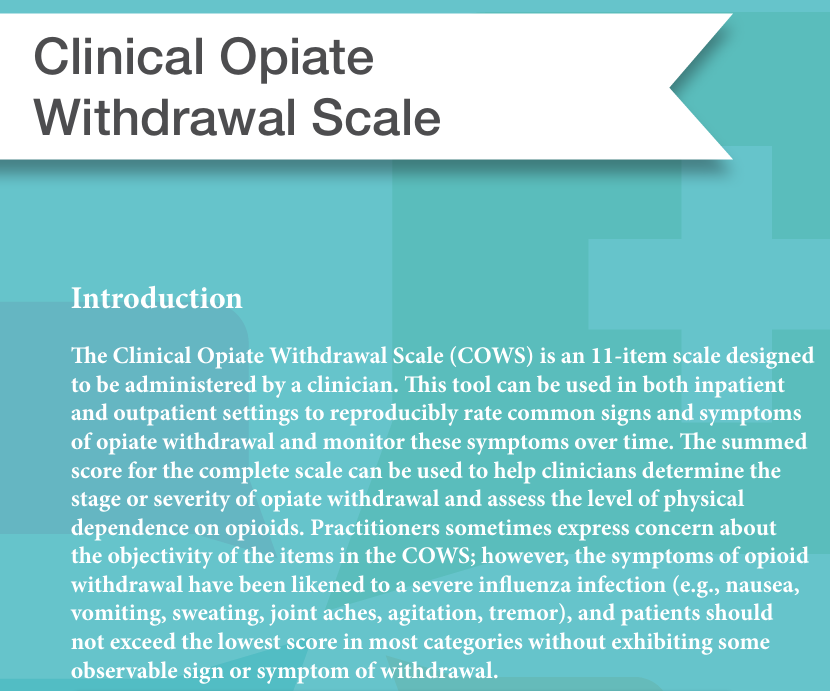
Screening for opioid withdrawal
It is also important to screen patients for opioid withdrawal. This can be accomplished as part of the routine physical exam. If a patient is experiencing withdrawal, identifying the symptoms and discussing symptom control and treatment options can be useful in the conversation about management of OUD.
Assessment and Evaluation After Positive Screening
Not all patients with risky substance use or tolerance to opioids have a SUD. For this reason, patients with a positive screening result will require formal diagnostic assessment using DSM-5 criteria, which define OUD based on at least 2 of 11 criteria within a 12-month period.
Primary Care Providers should consider consulting with an Addiction Medicine specialist and linking the patient to specialized care for OUD. An approach to this is below:
Clinicians should share the positive screen results along with their concerns without judgment to facilitate an honest discussion.
Example: “Thank you for answering those questions. I’d like to share the screening results with you. Would that be ok with you?”
Example: “The screening results indicated that you __________. I’m here to help and would like to talk about this some more. Would that be ok with you?”
Explain that it is your role as a medical provider to convey health recommendations. Recommend quitting before problems (or more problems) develop. Give specific medical reasons that may be important to the individual patient.
Example: “Based on what I know about this medical condition, I have some concerns. Do you mind if we talk about that?”
If the patient is unwilling to quit, raise awareness about opioid use/drugs as a health problem. Let patients who are not ready know that you will revisit the issue at future visits and have resources available when they decide to pursue making a change. In the meantime, they can still receive medical care.
Example: “Given what we’ve talked about, do you want to change your medication misuse/drug use?”
Example: “On a scale of 0-10, how likely are you to change your drug use?”
If the patient is ready to quit, reinforce current efforts and then assist the patient in their efforts to make changes that will help them reduce and/or quit their drug use.
Example: “It is great that you are ready to quit, this is a great step for your health”
You can link patients to services while reinforcing that you will partner with them to manage the situation.
Example: “I’d like to share some organizations and resources that can help you as you quit. I will also be here to help you through this.”
The comprehensive assessment should include:
- History and physical examination focusing on withdrawal symptoms, chronic and acute pain, and prior experiences with substances
- Evaluation of psychiatric and medical comorbidities
- Urine drug testing to identify concurrent substance use and monitor adherence
- Review of prescription drug monitoring program (PDMP) data
- Assessment of social circumstances, including housing, legal issues, and family substance use
Patients with positive screens for OUD should receive compassionate care regardless of their readiness to discontinue use. Treatment options include medications for OUD (buprenorphine, methadone, naltrexone), harm reduction resources such as naloxone kits and safe use supplies, and referral to specialty care.
Filters
Selecting filters will auto-adjust the list.
Type at least three characters, and the list will auto-filter.
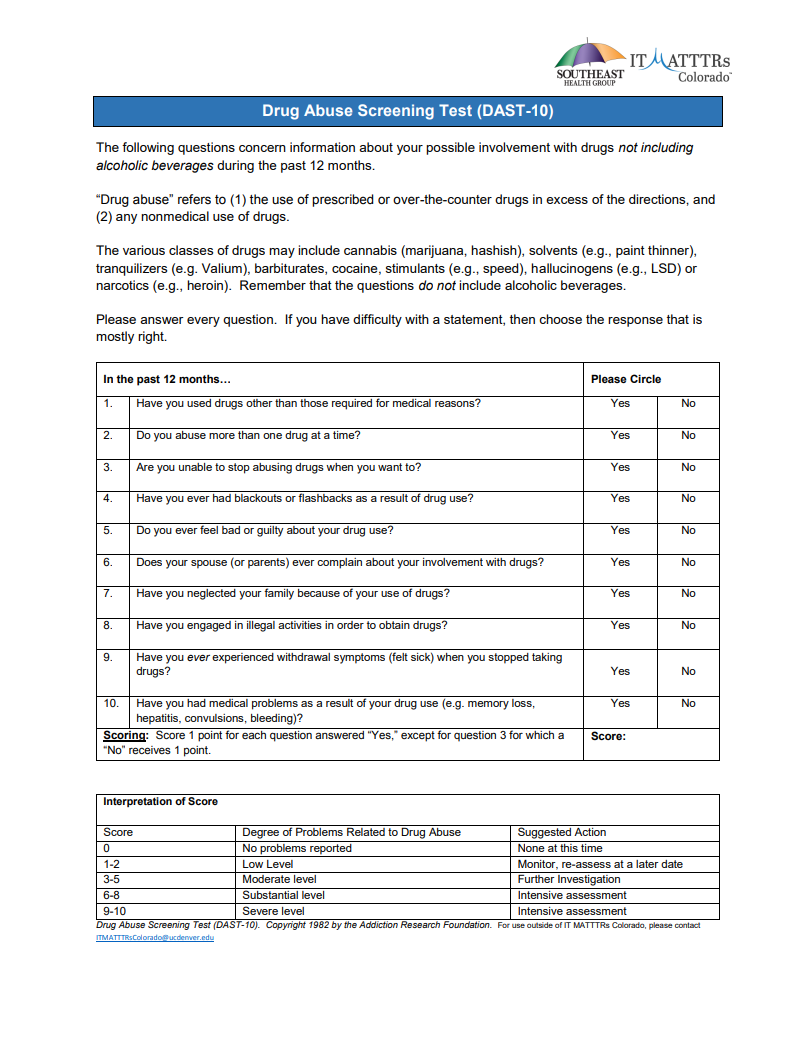
The OWLS, a Screening Tool for Measuring Prescription Opioid Use Disorder in Primary Care
A 10-item screening tool that screens for drug abuse during the past 12 months.
Screening & Assessment
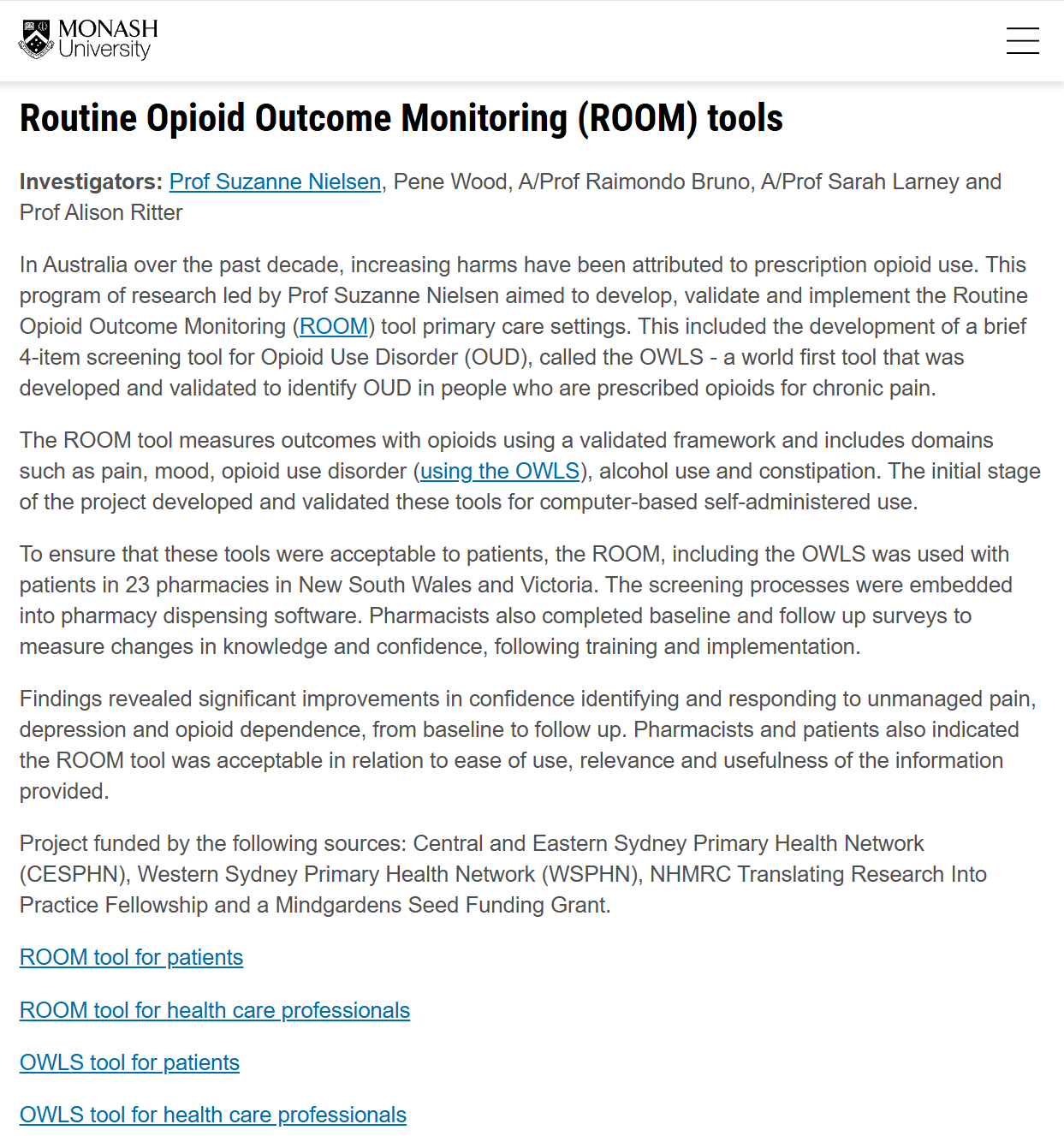
Routine Opioid Outcome Monitoring (ROOM) Tools
An expansion of the OWLS tool that identifies and measures outcomes with opioids, including domains such as pain, mood, opioid use, alcohol use, and constipation in a one-page screening tool.
Screening & Assessment
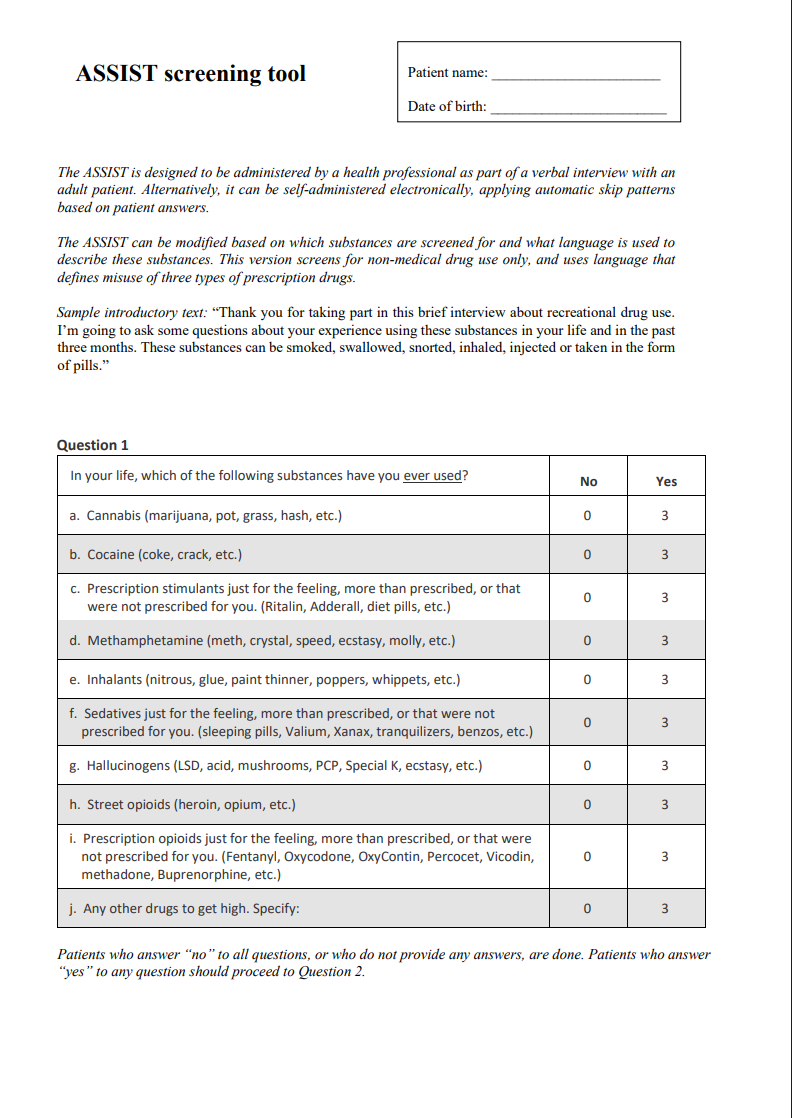
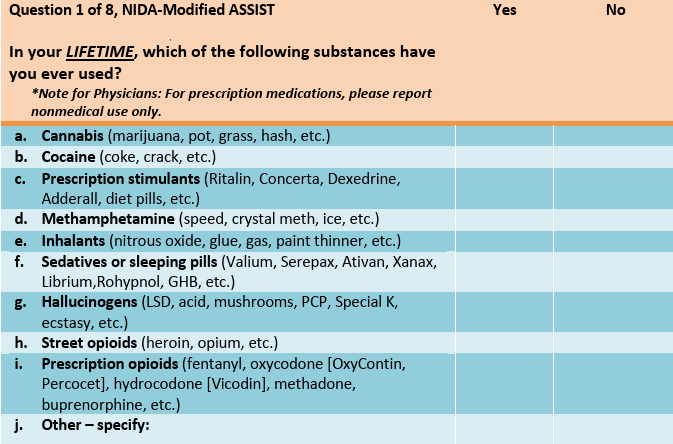
ASSIST Screening Tool
An 8-question screening tool that can be modified based on the substances being screened for, and can potentially reveal additional information about risk severity and comorbidities. Can be administered verbally by a health professional or self-administered electronically.
Screening & Assessment
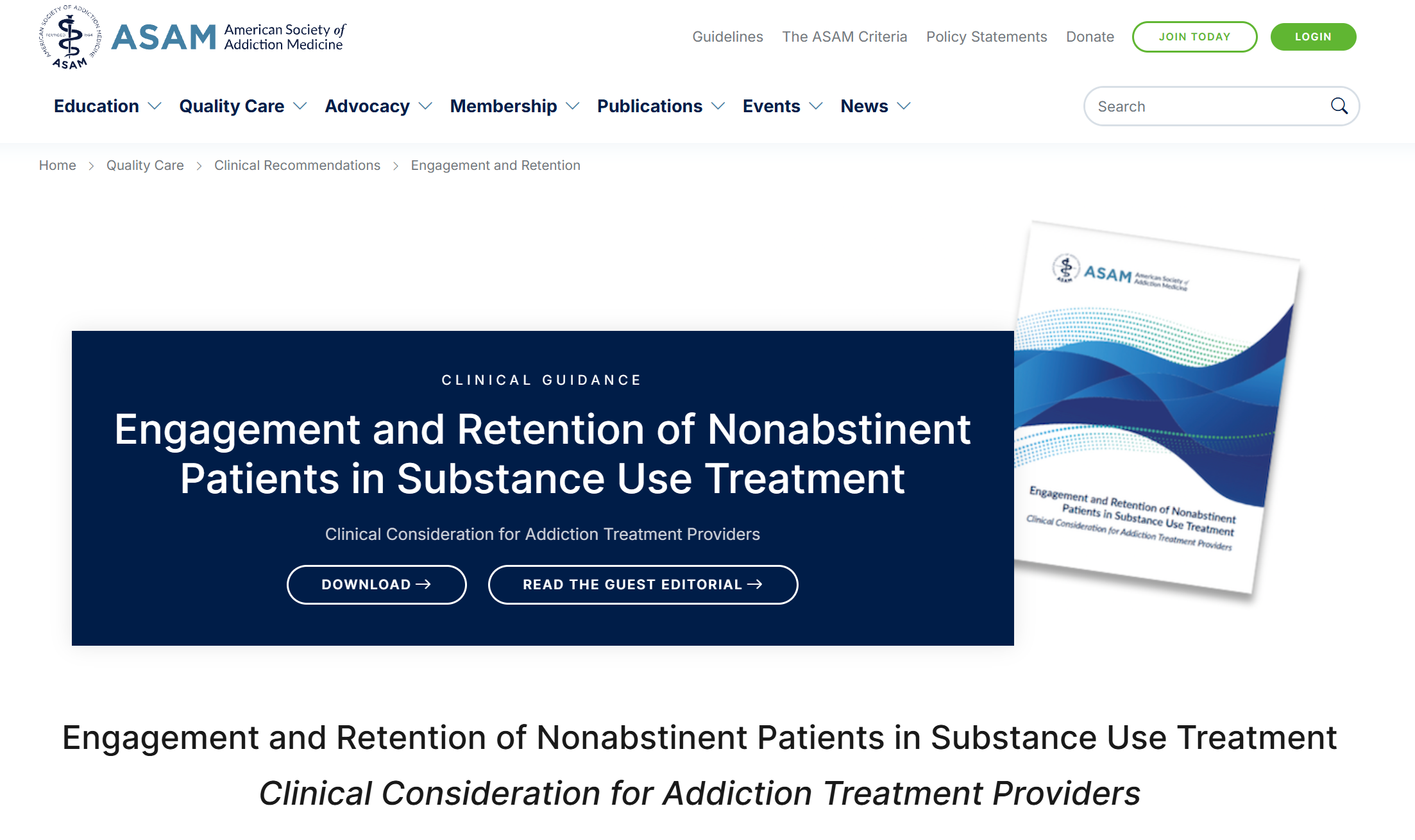
Engagement and Retention of Nonabstinent Patients in Substance Use Treatment: Clinical Consideration for Addiction Treatment Providers.
A clinical guide by the American Society of Addiction Medicine for providers and SUD treatment programs that highlights the complexities of patient nonabstinence during treatment, along with strategies that increase engagement, retention, and quality of care for nonabstinent patients.
Screening & Assessment
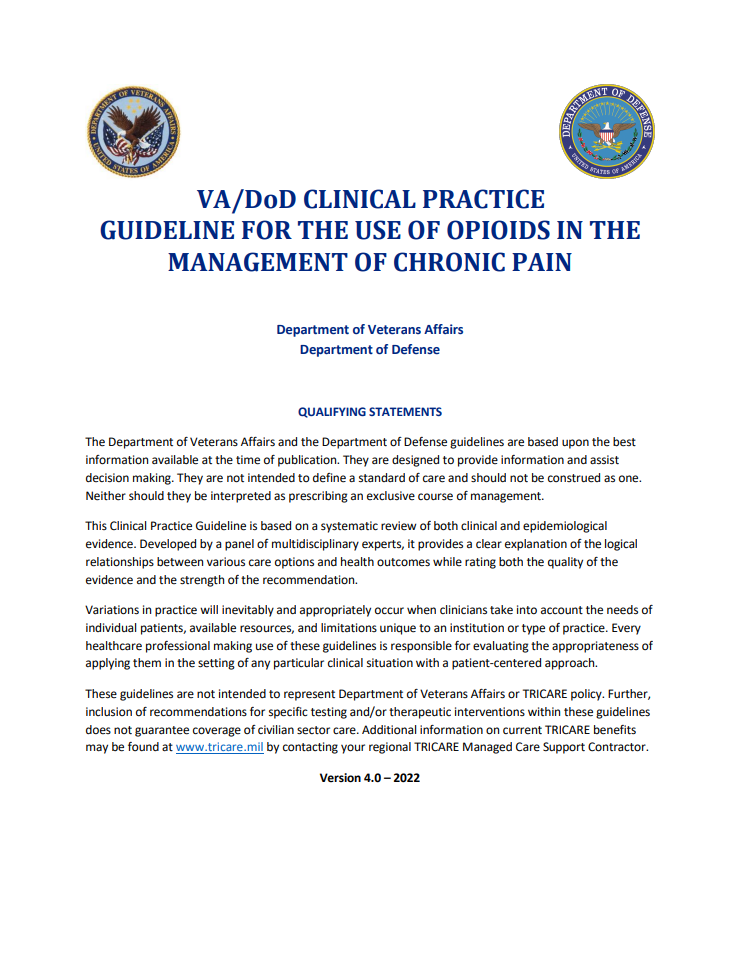
VA/DoD Clinical Practice Guideline for the Use of Opioids in the Management of Chronic Pain
A comprehensive guideline created by the Department of Veterans Affairs highlighting best practices for the use of opioids in chronic pain management.
Screening & Assessment
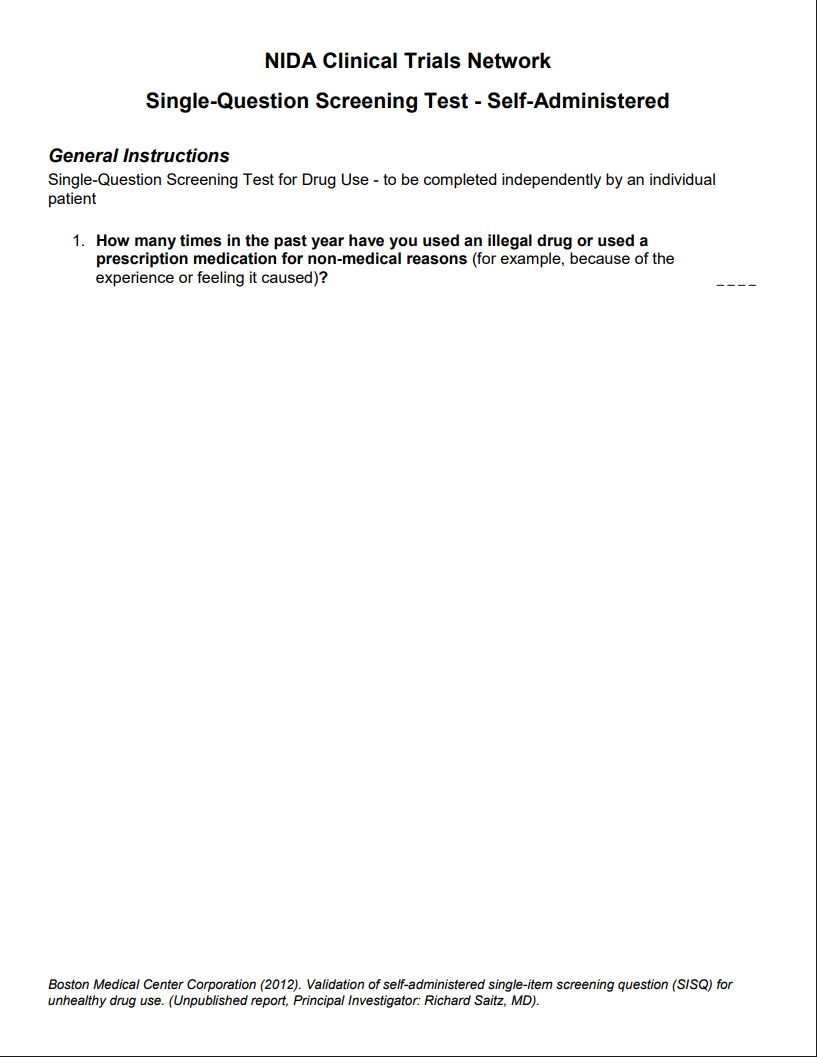
NIDA Single-Question Screening Tool for Drug Use
A single-question screening for drug use given to patient in a clinical setting, typically primary care.
Screening & Assessment
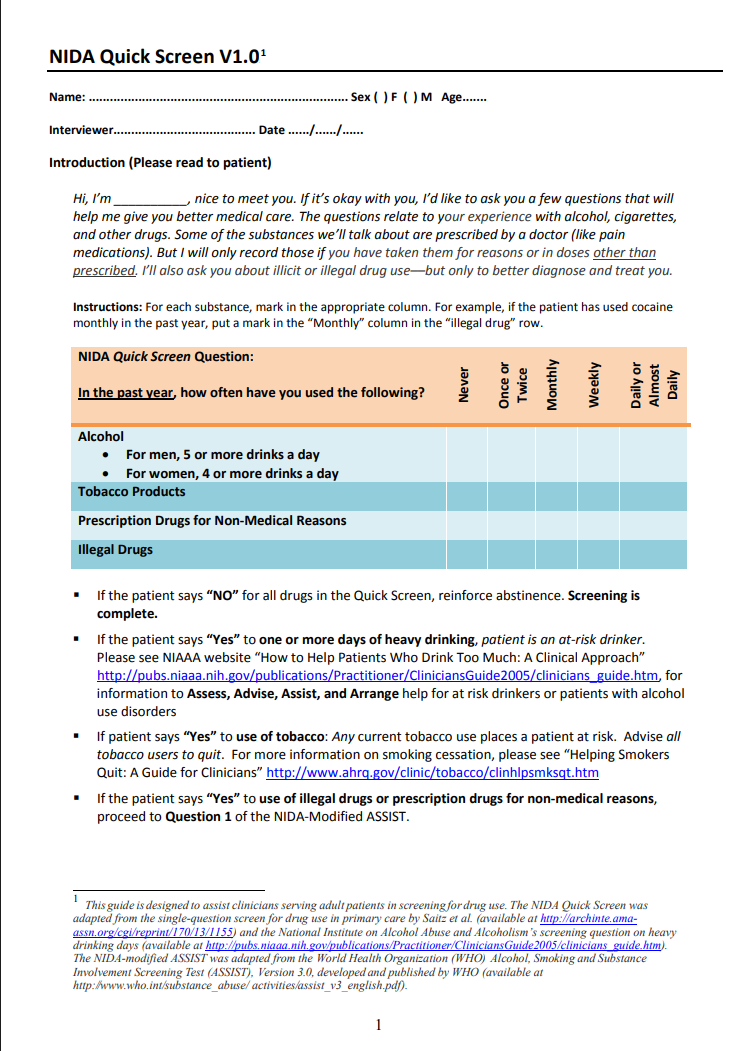
NIDA Quick Screening Tool for Substance Use
A substance use risk screening comprised of 4 questions about alcohol, tobacco, non-medical prescription drug use, and illegal drugs for providers to ask their patients in clinical settings.
Screening & Assessment
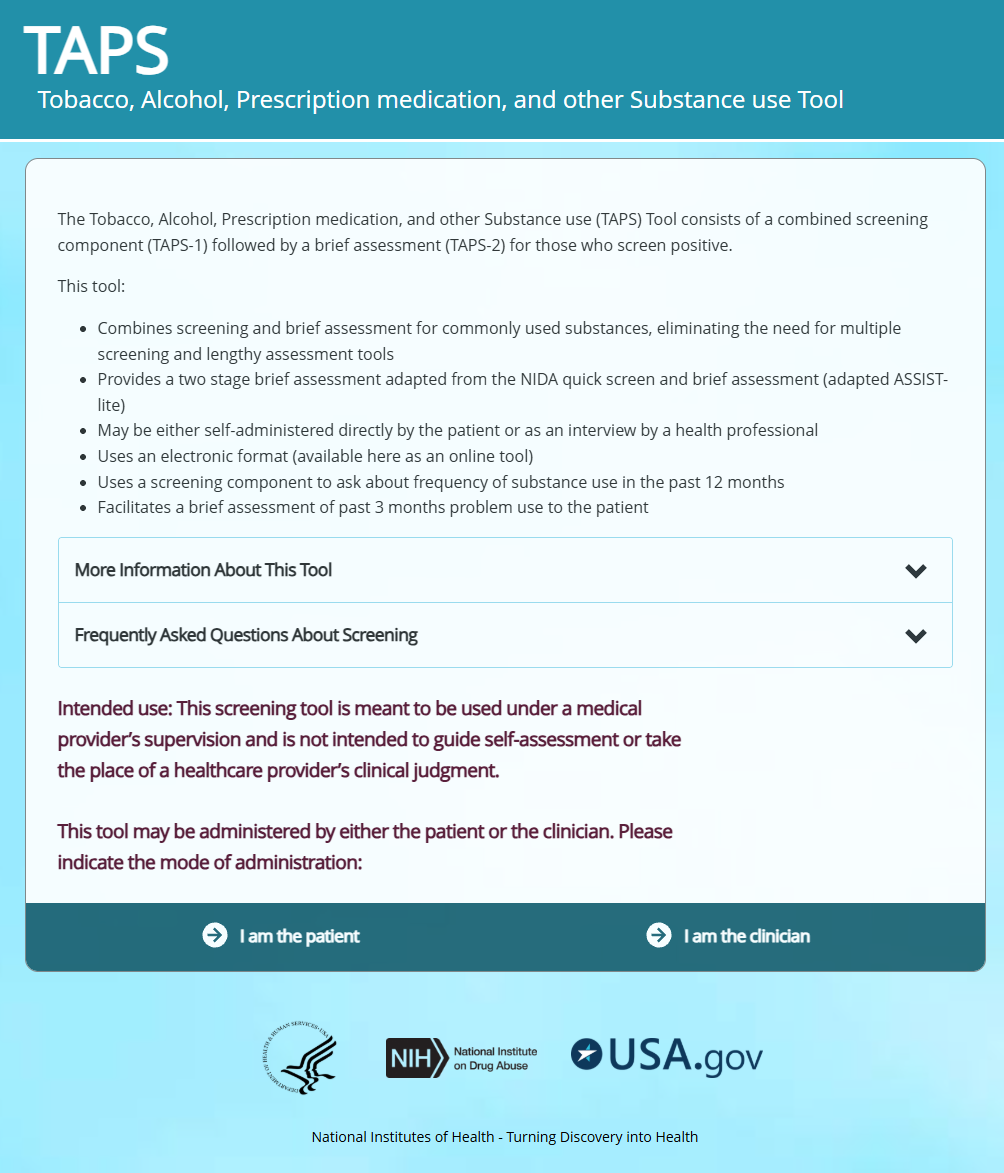
TAPS (Tobacco, Alcohol, Prescription Medication, and Other Substance Use) Screening Tool
A combined screening and assessment tool that starts with a series of questions screening for frequency of substance use in the past 12 months, followed by a brief assessment of past 3 months problem use for those who screen positive.
Screening & Assessment
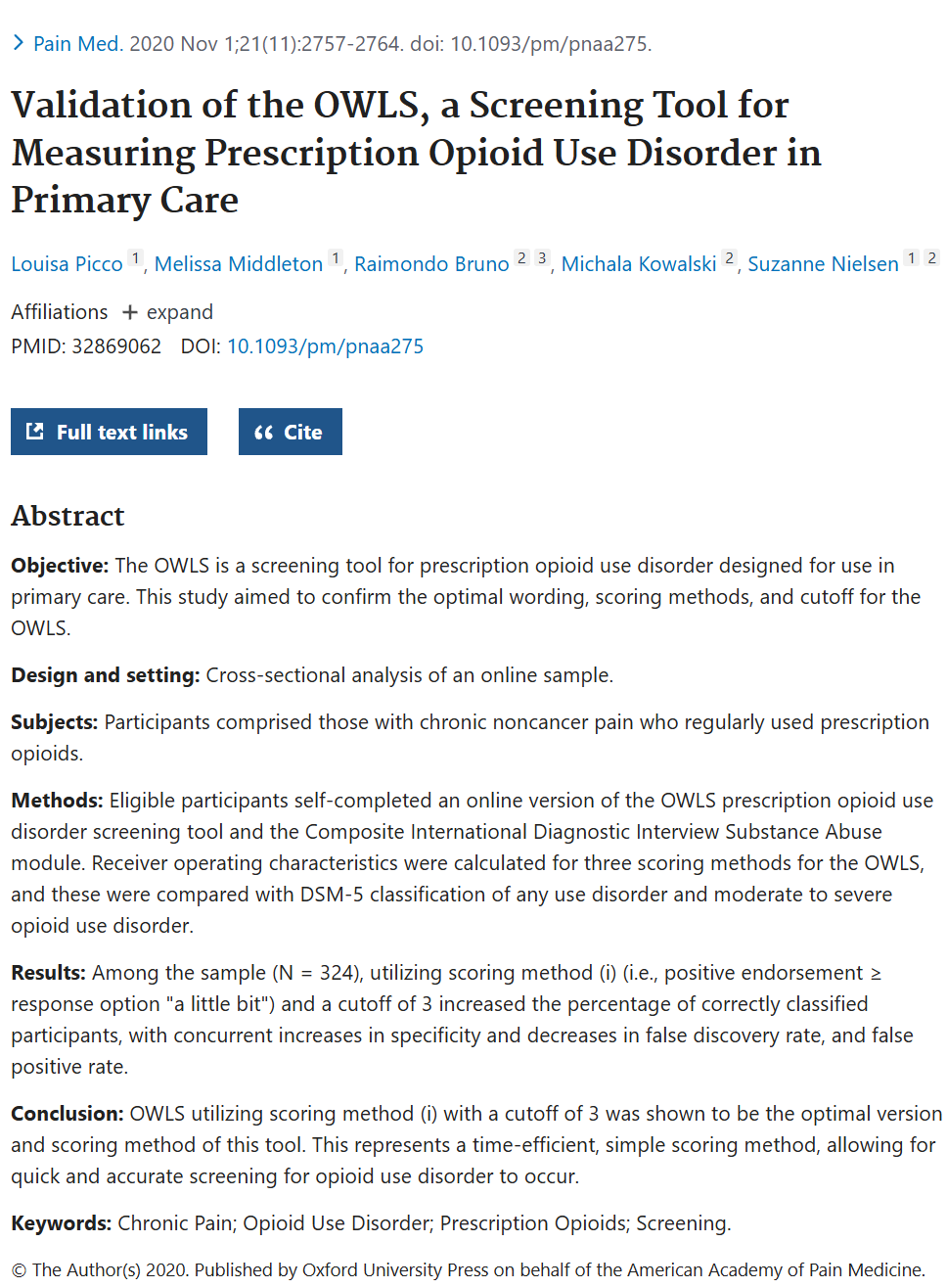
Validation of the OWLS, a Screening Tool for Measuring Prescription Opioid Use Disorder in Primary Care
Overview and validation of The OWLS, a screening tool for prescription opioid use disorder designed for use in primary care that measures 4 characteristics with prescribed opioid use: Overuse, Worry, Losing interest, and Sluggish/slowed down/sedated. Picco L, Middleton M, Bruno R, Kowalski M, Nielsen S. Validation of the OWLS, a Screening Tool for Measuring Prescription … Read more
Screening & Assessment