
Understanding Types of Pain
As a clinical provider, it is important to understand the different types of pain. This knowledge can help you communicate about pain with your patients, and properly treat them.
Pain is typically classified by:
- duration (acute vs. chronic),
- location,
- cause, and/or
- pathophysiology causing the pain.
Nociceptive pain is the most common type of pain
The International Association for the Study of Pain (IASP) defines it as “pain that arises from actual or threatened damage to non-neural tissue and is due to activation of nociceptors” and can be divided into somatic or visceral pain.
Somatic pain results from stimulation of peripheral sensory neurons
It is often localized and described as sharp. Examples include pain from injuries such as a burn, fractured bone, wound, or pulled muscle. Pain can also be from a disease causing local tissue injury such as arthritis or gout.
Visceral pain is often diffuse and poorly localized
It can be described as dull, throbbing, aching, pressure, fullness, or tightness. Examples include angina and bowel obstruction.
Acute pain is shorter in duration and is typically caused by a specific injury or event.
Generally, acute pain doesn’t last more than 6 months. With acute pain, patients typically feel better as they heal.
Examples of specific injuries or events include:
- A cut or burn
- Surgery
- A broken bone
- A strained muscle
Chronic pain is longer in duration and persists even after a patient has healed.
Chronic pain usually lasts longer than 3 – 6 months.
Even after the original source of the pain is resolved, the patient still experiences pain. Chronic pain can affect the body in many ways and requires specialized pain management approaches.
Below are several types of pain and some considerations for treatment options. This is meant as a quick educational reference and is not a treatment guide. Please see the pain management section of the toolkit for more details.
Musculoskeletal pain is due to an injury or disease that directly affects the bone(s), joint(s), muscles(s), or soft tissues
This type of pain often affects a patient’s mobility. It can be acute or chronic.
It can feel like a dull ache, a deep pain, or a sharp pain.
This includes:
- Joint pain and stiffness from arthritis, gout, or injury
- Tendon, ligament strain, sprain, or overuse
- Muscle spasms, cramp, or injury
- Bone pain from infection or fracture
- Back pain from arthritis or injury
Below are several types of pain and some considerations for treatment options. This is meant as a quick educational reference and is not a treatment guide. Please see the pain management section of the toolkit for more details.
- Rest
- Over-the-counter medications (non-steroidal anti-inflammatory drugs (NSAIDs), acetaminophen, aspirin, topical capsaicin, topical lidocaine)
- Ice therapy
- Strengthening, stretching, and conditioning (physical therapy)
- Over-the-counter medications (NSAID’s, Acetaminophen, Aspirin, topical capsaicin, topical lidocaine)
- Strengthening, stretching, and conditioning (physical therapy)
- Weight loss if appropriate
- Avoiding re-injury
- Acupuncture
- Serotonin-Noradrenaline Reuptake Inhibitor (SNRIs); select tricyclic antidepressants
- calcium channel modulators (such as gabapentin, pregabalin)
- Skeletal muscle relaxant
- Cognitive behavioral therapy
- Transcutaneous Electrical Nerve Stimulation (TENS)
- Compression therapy
- Hydrotherapy
- Splints or cases
- Steroid injections
- Surgery
Neuropathic pain is caused by a lesion or disease of the somatosensory nervous system
It can involve the peripheral or central nervous system. Neuropathic pain is also called “nerve pain”.
Patients will often describe the pain as burning, pins and needles (paresthesia), tingling, numbness, electric shocks/shooting, crawling (formication), itching, and temperature intolerance. Pain severity is often out of proportion to what would be expected (hyperalgesia).
Validated questionnaires exist to evaluate and diagnose a patient with neuropathic pain. The Leeds Assessment of Neuropathic Symptoms and Signs (LANSS) and the Douleur Neuropathique en 4 questions (DN4) combine self-report questionnaires with physical examination elements to provide a comprehensive and accurate assessment.
Causes/examples include:
- Diabetes (peripheral neuropathy)
- HIV/AIDS (peripheral neuropathy)
- Shingles/Herpes Zoster
- Central nervous system disorders (spinal cord compression, multiple sclerosis, poststroke pain)
- Complex regional pain syndrome (CRPS)
- Chemotherapy/radiation therapy (peripheral neuropathy)
Patients with neuropathic pain often need a combination of treatments. Non-medication therapies such as exercise, massage, physical therapy, counseling, and behavioral therapy are all important. Depression, anxiety, sleep disturbances, and deconditioning can result from untreated neuropathic pain.
In addition, management may also require:
- Diabetes (peripheral neuropathy)
- HIV/AIDS (peripheral neuropathy)
- Shingles/Herpes Zoster
- Central nervous system disorders (spinal cord compression, multiple sclerosis, poststroke pain)
- Complex regional pain syndrome (CRPS)
- Chemotherapy/radiation therapy (peripheral neuropathy)
There are several resources for the management of neuropathic pain below.
Note: The Bates article has tables and excellent information. It is open access.
Psychogenic pain is characterized by the presence of pain in the absence of objective physical pathology
Also known as Noninflammatory/Nonneuropathic (Nociplastic) pain, psychogenic pain cannot be explained by any known somatic disorder or damage to nervous system structures.
It is poorly understood and is thought to involve abnormal nerve signal processing. The treatment of psychogenic pain syndrome requires an understanding of the patient’s biological, social and psychological factors. Examples include fibromyalgia and irritable bowel syndrome.
“Psychogenic pain” is not a term that is used directly with patients. It is important to communicate that while this pain isn’t caused by something physical, it is still very real and you can provide treatment recommendations.
This type of pain can be treated with:
- Cognitive behavioral therapy
- Group therapy
- Physical therapy
- Medications for depression or anxiety
- Meditation/mindfulness
It can be difficult to treat psychogenic pain because each patient is unique. A multidisciplinary approach is important.
Pain management must be tailored to the individual patient. This toolkit will give you resources to consider potential treatments for your patients including non-pharmacologic (i.e. physical therapy, acupuncture, massage, aroma therapy), non-opioid medications (i.e. Acetaminophen, NSAIDs, Capsaicin ointment, TCAs, etc.), opioid medications, and behavioral health, if appropriate.
For most types of pain, opioids may NOT be appropriate to prescribe beyond a short course of 3-7 days. There are many considerations for prescribing opioids safely that are explored in this toolkit. Please explore this toolkit to learn more.
Filters
Selecting filters will auto-adjust the list.
Type at least three characters, and the list will auto-filter.
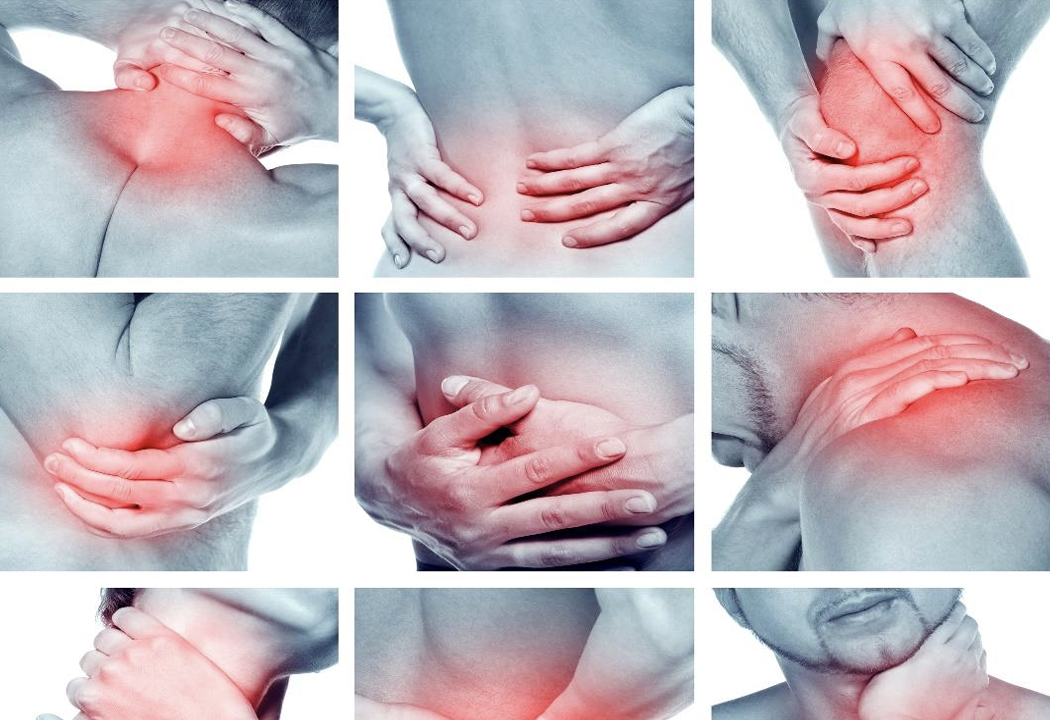
American Chronic Pain Association (ACPA) & Stanford Resource Guide to Chronic Pain Management
The ACPA and Stanford Guide (200 page PDF) is a collaboration with Stanford University; updated in 2024, it is a comprehensive publication on all aspects of pain and pain management.
Understanding Types of Pain
International Association for the Study of Pain
Collection of fact sheets, toolkits, guidelines for clinicians; information for patients living with chronic pain.
Understanding Types of Pain
US Pain Foundation
Education and support for those individuals living with pain available in both English and Spanish.
Understanding Types of Pain

NPR – How The Brain Shapes Pain and Links Ouch With Emotion
A podcast on how the brain shapes pain both physically and psychologically.
Understanding Types of Pain

University of California San Francisco (UCSF) – Provider Resources for Pain Management
Toolkit for provider resources related to pain management.
Understanding Types of Pain
Psychogenic (nociplastic) pain: Current state of diagnosis, treatment options, and potentials of neurosurgical management
This article highlights the current state of strategies for classifying, diagnosing, treating, and preventing psychogenic pain, the potential of neurosurgical treatment, and the need for more research on psychogenic pain.
Understanding Types of Pain
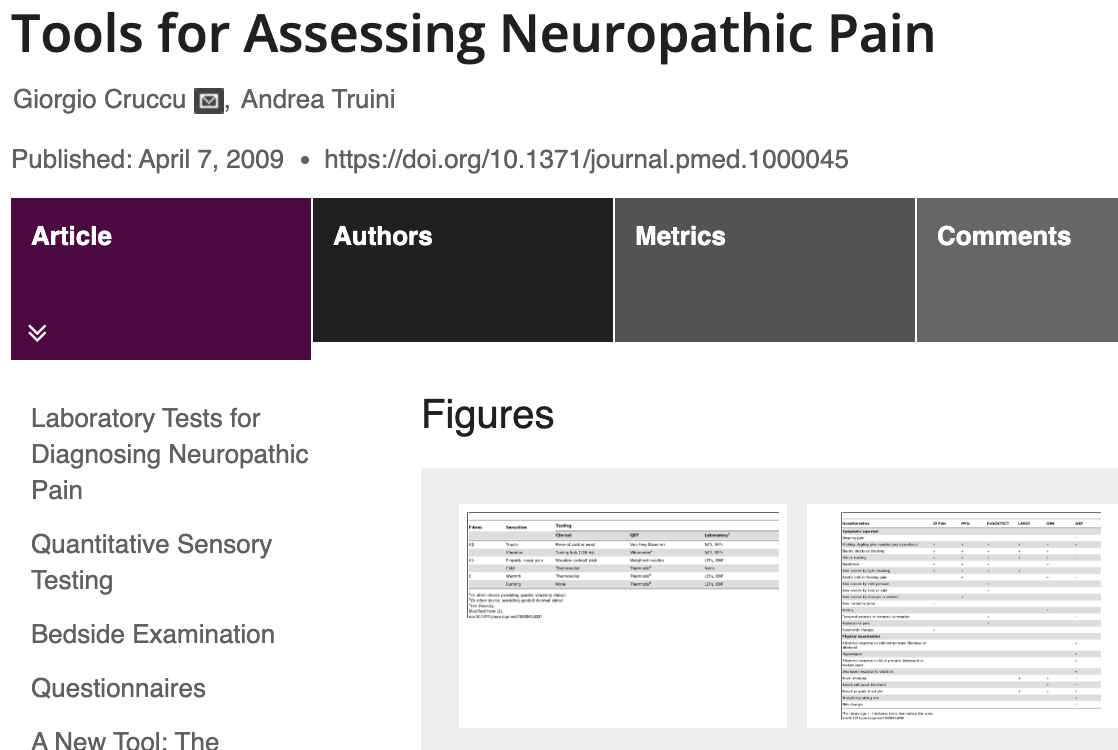
Tools for Assessing Neuropathic Pain
This article highlights tools that can measure pain, a complex experience that depends strongly on cognitive, emotional, and educational influences, objectively.
Understanding Types of Pain
University of California San Francisco (UCSF) – Provider Resources for Pain Management
Toolkit for provider resources related to pain management.
Understanding Types of Pain

The American Chronic Pain Association (ACPA)
Education and support for those individuals living with pain and those treating pain conditions.
Understanding Types of Pain
NPR – How The Brain Shapes Pain and Links Ouch With Emotion
A podcast on how the brain shapes pain both physically and psychologically.
Understanding Types of Pain
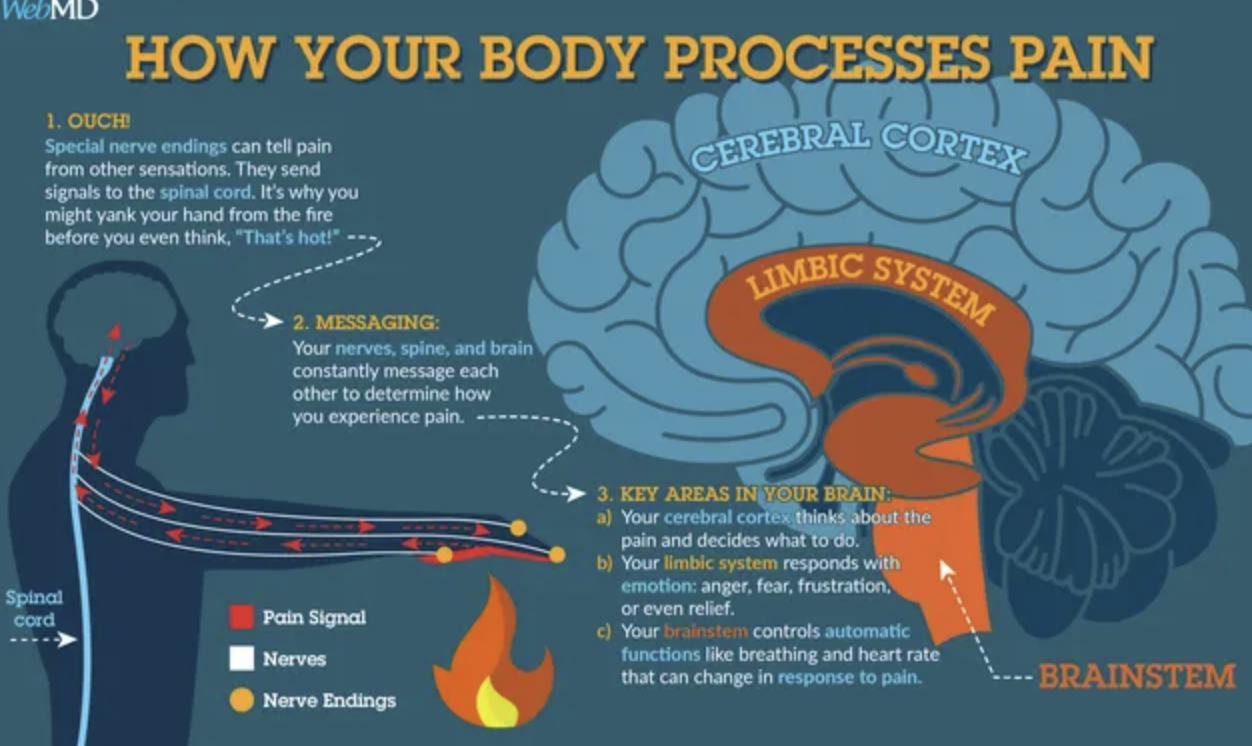
How your body processes pain
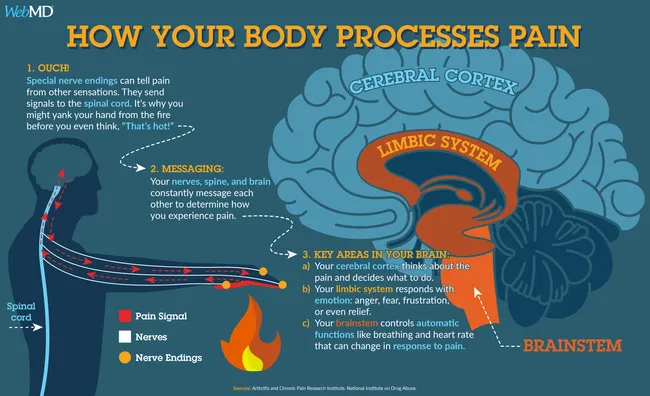
Learn how your body processes pain from the initial feeling of pain to the key areas of the brain it affects.
Understanding Types of Pain
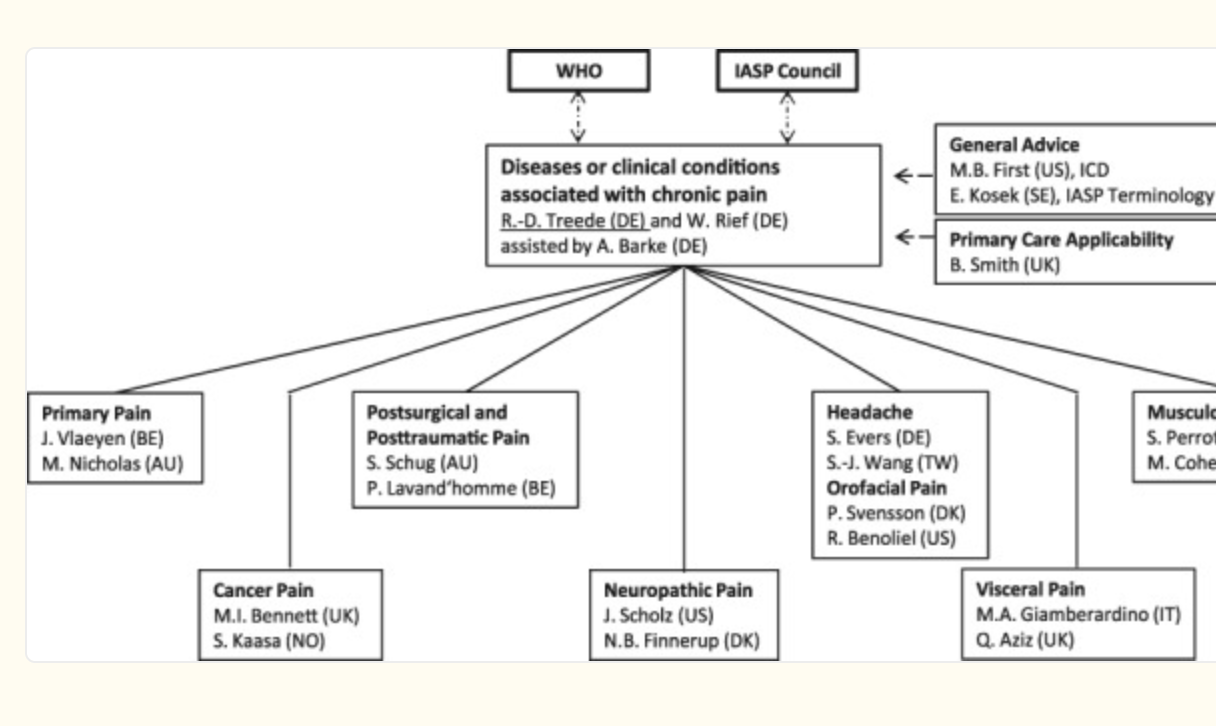
A classification of chronic pain for ICD-11
The Task Force for the Classification of Chronic Pain comprised of international pain experts has developed a new and pragmatic classification of chronic pain applicable in primary care and in clinical settings for specialized pain management.
Understanding Types of Pain
University of Michigan Pain Guide
Learn about different types of pain, pain conditions, and care, along with a symptoms and activity monitoring tool that patients can use.
Understanding Types of Pain