Reducing Stigma
STIGMA: a set of negative and unfair beliefs that a society or group of people have about something. Groups, not individuals, are the target of stigma, but it is individuals who experience it.
People with opioid use disorder (OUD) face stigma in many aspects of their lives, often preventing them from seeking care.
Stigmatizing language fosters explicit and implicit bias.This can come in the form of social stigma, internalized stigma, or structural stigma.
Social stigma: Negative attitudes and stereotypes held by society that are directed towards a particular group of people
Internalized stigma: A form of self-stigma in which a person accepts and internalizes the stigmatizing viewpoints of others, often leading to feelings of shame or weakness
Structural stigma: Stigma that is embedded in systems, policies, or cultural norms that create disadvantages for members of the stigmatized group
As a medical provider, you can’t prevent all of the stigma your patient may face, but there are ways you can communicate with your patient to make them feel they are in a safe place.
Use person-first, medically accurate language.
This type of language prioritizes the personhood of a patient over descriptive social identities and stigmatizing labels. For example, “person who uses drugs” puts more emphasis on the person, as opposed to a term like “addict,” which equates the person to their condition and has a more stigmatizing connotation.
For more guidance on words to use and avoid, download the Words Matter handout.
Recognizing the complexities of addiction can help challenge stigma.
People with opioid use disorder are often stigmatized and blamed for their “personal decision” to use substances. This judgment can foster feelings of shame and guilt, which may prevent patients from seeking the help they need due to fear of being viewed negatively. As healthcare providers, it is essential to understand that addiction is influenced by a variety of factors—genetic, environmental, psychological, and social—not simply a matter of personal choice. Recognizing the complexity of addiction and approaching patients with empathy can help dismantle these harmful assumptions.
Communicate that there is effective treatment available.
Messages that highlight the availability of successful treatments and how these treatments work can help diminish the stigma associated with addiction. By providing clear information about effective treatment options, these messages can help shift the narrative from viewing addiction as a moral failing to understanding it as a treatable condition.
However, it is important to meet patients where they are in their journey. Not everyone is ready to begin treatment when they are first introduced to the concept, and that’s okay. By continuing to engage in conversations about harm reduction practices, you can demonstrate that individuals struggling with addiction are worthy of respect and support, regardless of their current behaviors or readiness for change.
Filters
Selecting filters will auto-adjust the list.
Type at least three characters, and the list will auto-filter.
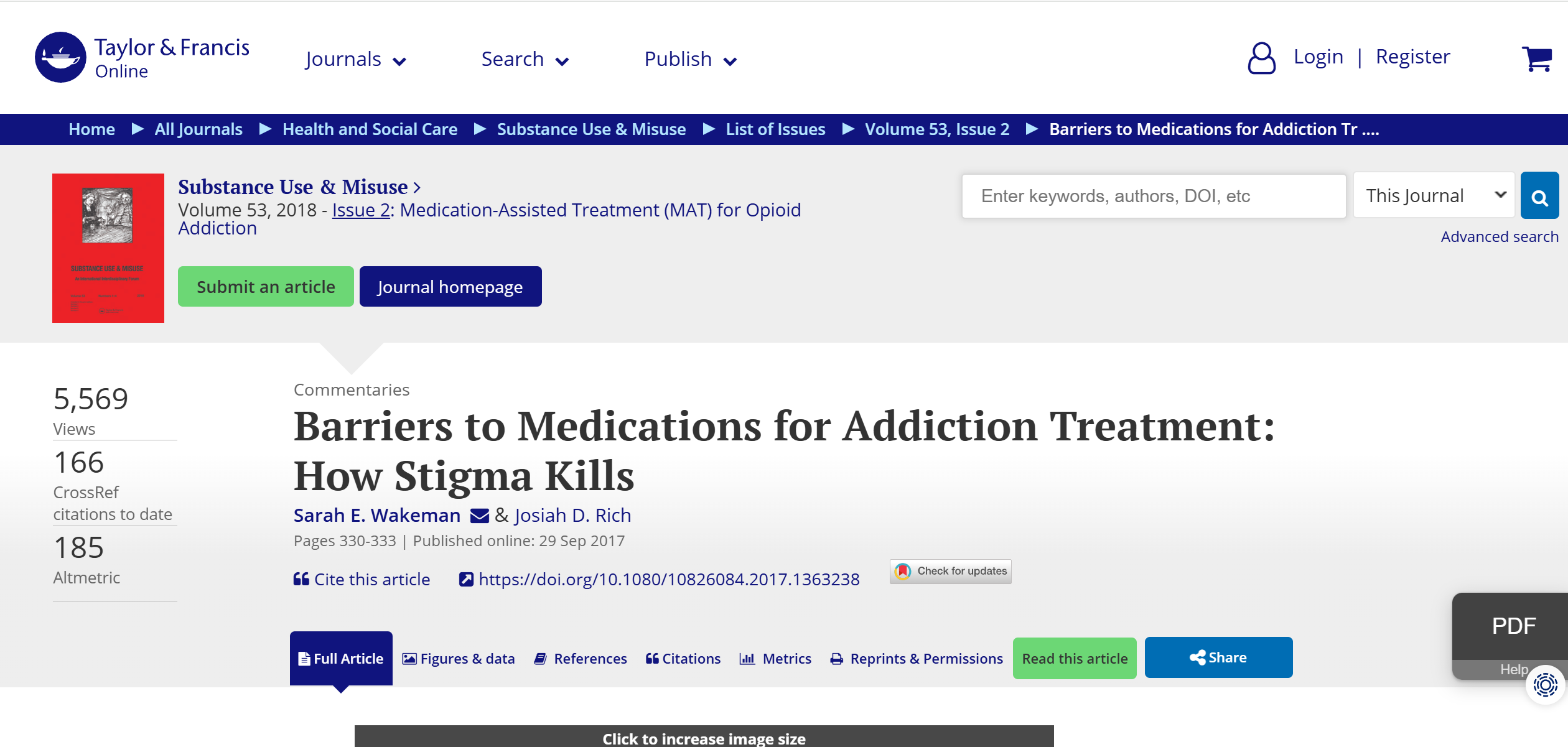
Barriers to Medications for Addiction Treatment: How Stigma Kills
This article explores how stigma is a major driver behind the lack of access to opioid agonist therapy.
Reducing Stigma
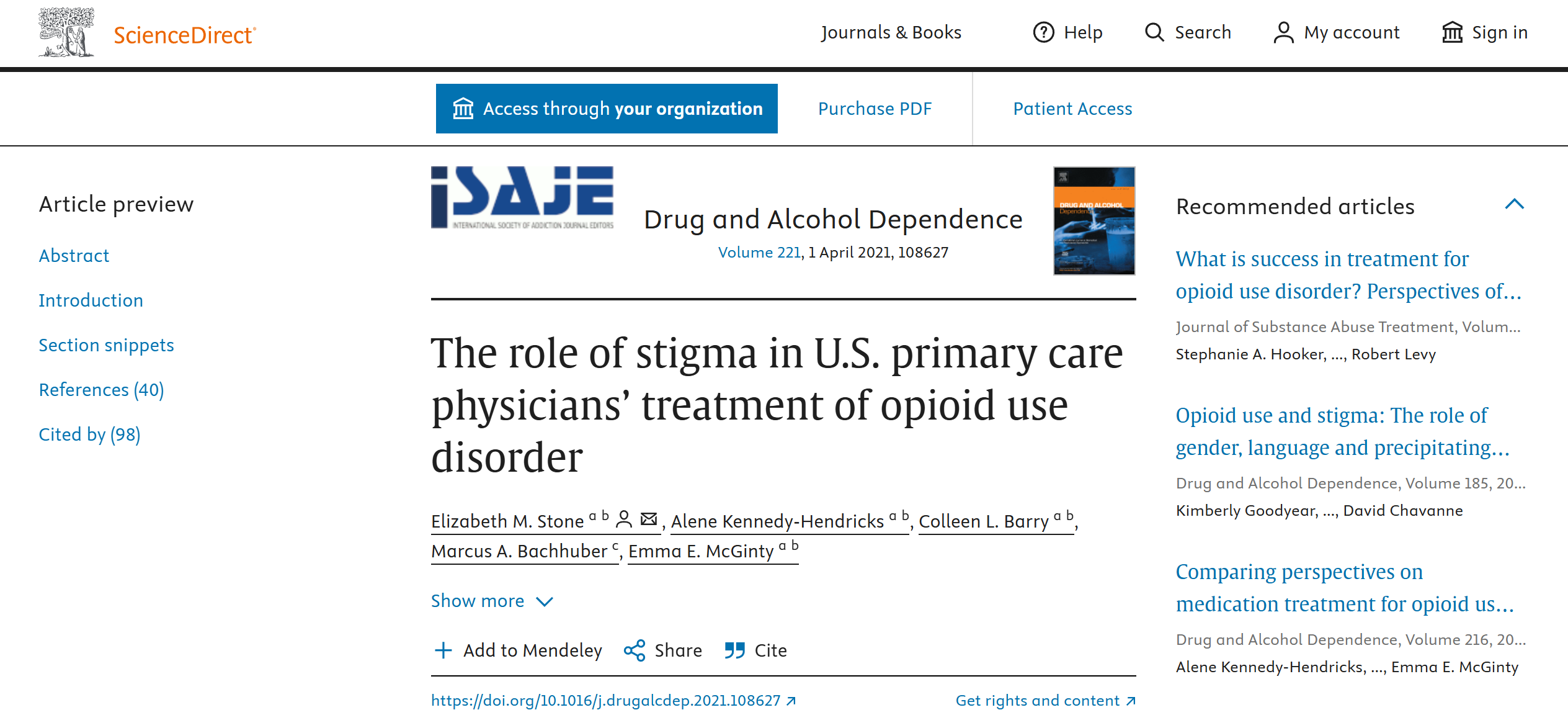
The role of stigma in US primary care physicians’ treatment of opioid use disorder
This national survey of U.S. primary care physicians found that greater stigma was associated with an 11 percentage point lower likelihood that PCPs prescribed OUD medication and lower support for policies intended to increase access to OUD medication.
Reducing Stigma
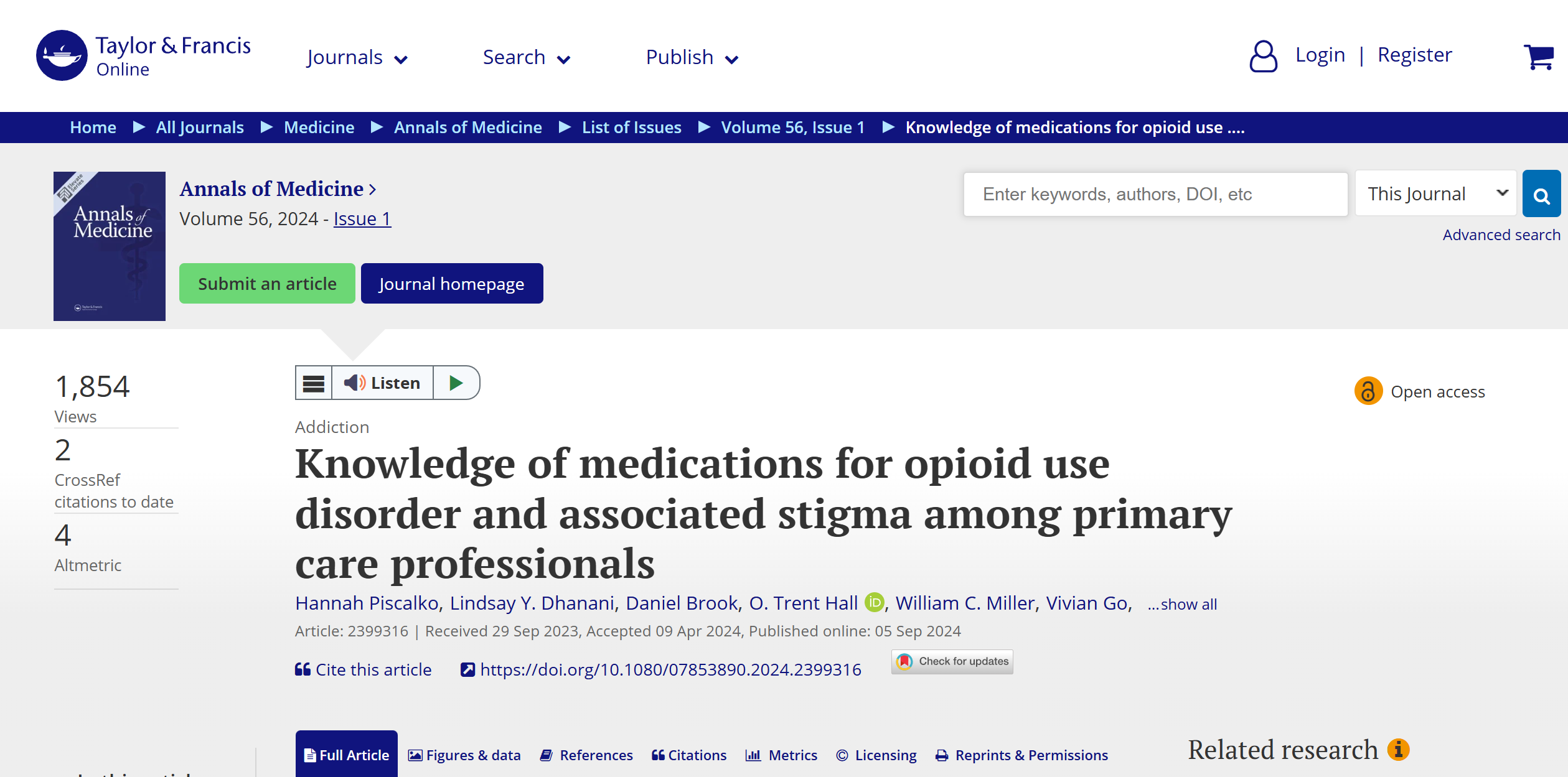
Knowledge of medications for opioid use disorder and associated stigma among primary care professionals
This study assessed knowledge levels among primary care-aligned professionals (PCPs) currently in practice, and whether knowledge of medications for opioid use disorder (MOUD) is associated with stigma and treatment attitudes.
Reducing Stigma
Ambiguous identities of drugs and people: a scoping review of opioid-related stigma.
A scoping review of academic literature to categorize opioid-related stigma into 4 key themes: (1) interpersonal and structural stigma toward people accessing opioid agonist therapy (OAT); (2) stigma related to opioids for the treatment of chronic pain; (3) stigma in healthcare settings; and (4) self-stigma.
Reducing Stigma
The Impact of Stigma on People with Opioid Use Disorder
This narrative review discusses how opioid-related stigma impacts treatment provision and harm reduction; it provides potential strategies to reduce stigma at a social and structural level.
Reducing Stigma
A systematic review of stigma interventions for providers who treat patients with substance use disorders
This study presents a systematic review of stigma interventions for providers who treat patients with SUDs, in order to evaluate the quality of existing studies and potential for implementation in clinical settings.
Reducing Stigma
Stigma as a fundamental cause of population health inequalities
This study provides evidence on the health consequences of stigma and presents a conceptual framework describing the psychological and structural pathways through which stigma influences health.
Reducing Stigma
Addressing Bias and Stigma in the Language We Use With Persons With Opioid Use Disorder: A Narrative Review
This study conducts a narrative review of the literature on stigmatizing language and OUD, examines how treatment outcomes are affected, and presents strategies to reduce bias and promote OUD treatment.
Reducing Stigma
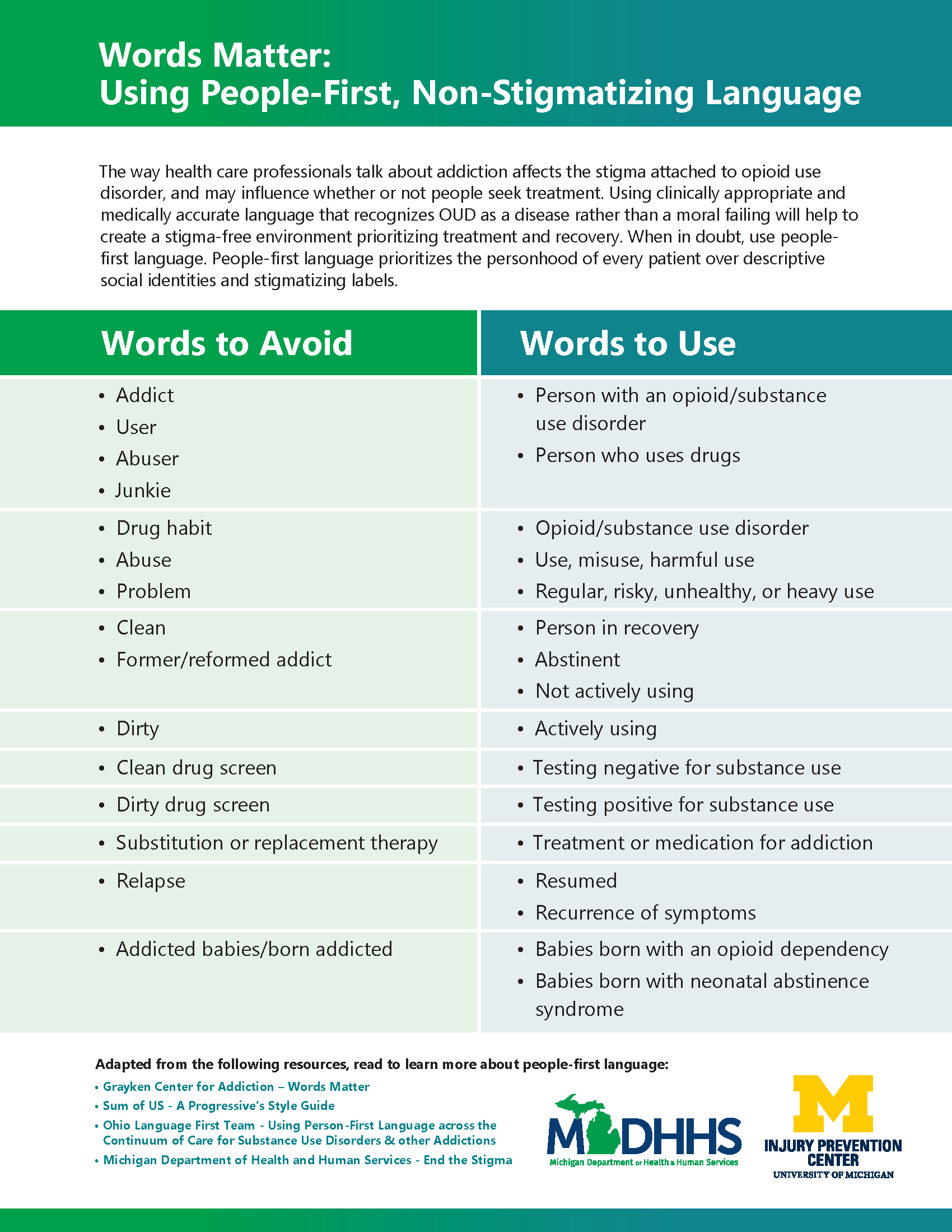
IPC & MDHHS – Words Matter
Download this guide to using non-stigmatizing language when discussing OUD and SUD.
Reducing Stigma

Healiao – Welcoming Language Key to Patient Recovery
Director of NIDA, Dr. Volkow discusses how a physician’s choice of words can make a difference in a patient’s chance of overcoming substance use disorders.
Reducing Stigma
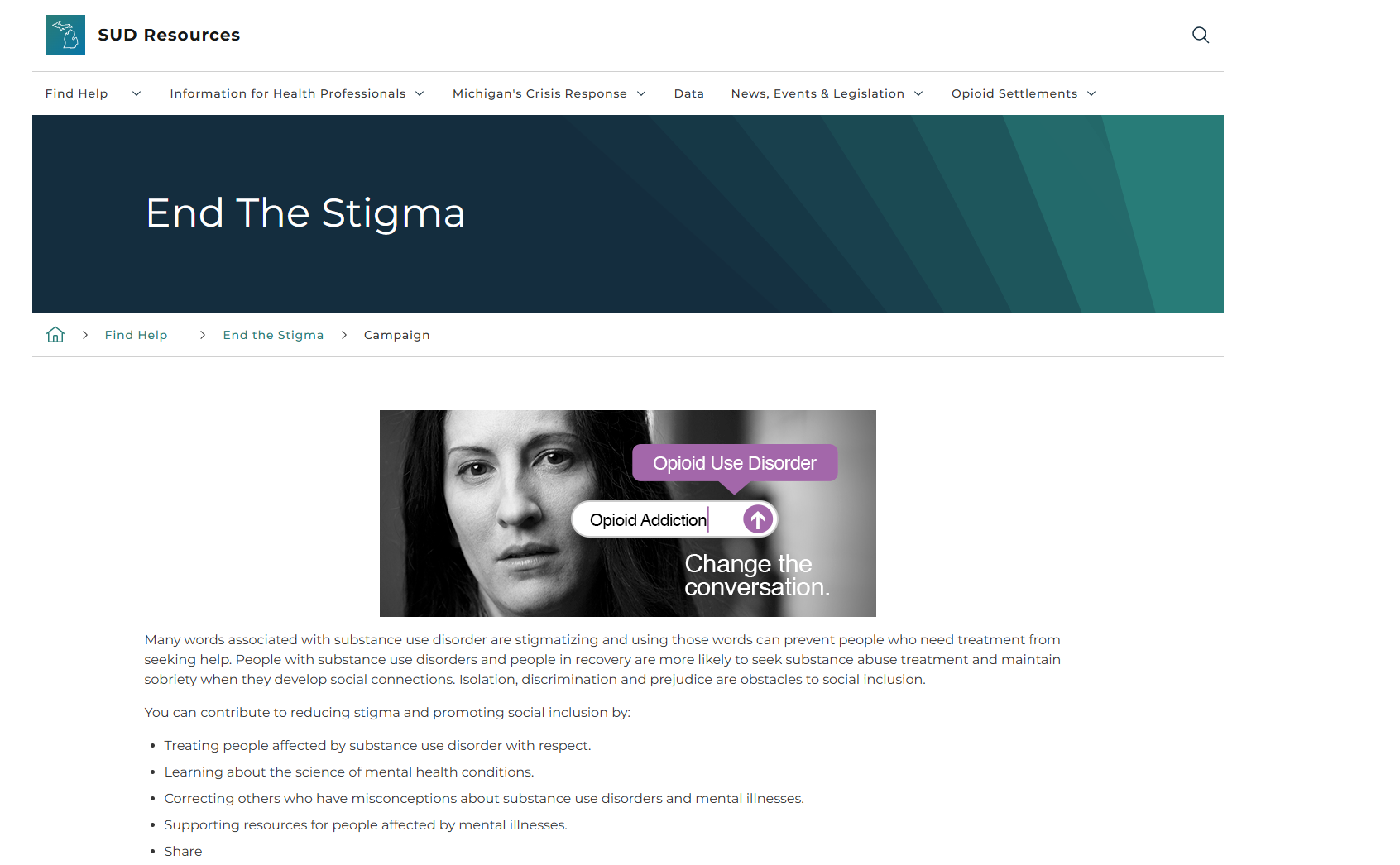
Michigan Department of Health and Human Services (MDHSS) – End the Stigma
The End the Stigma Campaign from the Michigan Department of Health and Human Services has resources on how to change the conversation around substance use and substance use disorder.
Reducing Stigma
ATTC – Anti-Stigma Toolkit: A Guide to Reducing Addiction-Related Stigma
A guide to provide the addiction treatment and recovering community with practical information and tools to enhance their capacity to engage in effective stigma reduction efforts.
Reducing Stigma