Chronic Pain in LGBTQ+ Patients
Patients who identify as LGBTQ+ are more likely to have chronic pain than the general population. Poor healthcare experience and stigma can cause LGBTQ+ people to turn away from care, often leaving important medical issues untreated. One study has shown that nearly 1 in 6 LGBTQ+ people have avoided healthcare due to stigma and discrimination.
As a healthcare provider, you have an important role to make LGBTQ+ patients feel accepted and safe to keep them healthy. Speaking in a non-judgmental way and creating an open communication between your patient and yourself is crucial to their overall health and well-being.
Building Trust
To give LGBTQ+ patients the best care, you must start by building trust. This probably won’t happen in one visit. It will take time to build a relationship. Below are some things to consider in your conversations to help build trust.
View our Effective Conversations section for other ways to communicate well with patients.
Don’t assume gender identity or sexuality
You cannot tell someone’s gender identity or sexuality by looking at them. If it is necessary for their medical care, it can be appropriate to ask. Explain why you need this information. Here are some ways you may consider asking:
- “I’m glad you are here, and I want to help keep you healthy. People who use injection drugs can be at a higher risk for some infections, including HIV. Since some of these infections can be sexually transmitted, I’d like to ask some questions about your sexual history. Is this ok with you?”
- “We ask everyone about their sexual history to help us determine the best medications for you. Do you mind if I ask some questions?”
Ask patients how they would like to be addressed
This might include pronouns or nicknames. If you are unable to ask about your patient’s pronouns, here are some alternatives:
- Keep it general by asking the patient how they would like to be called. They might say their pronouns, or their preferred name
- Use neutral pronouns with every patient, such as “they/them”
- When talking with other providers, you can refer to them as “the patient” instead of pronouns
Validate their feelings and experiences
When patients are vulnerable and share how they are feeling, or how they have been treated in the past, reflect back what you heard. This may look like:
- “I’m sorry you were treated that way”
- “You feel left out by the medical community”
- “There have been situations where you feel very accepted”
Acknowledge that you won’t always get it right
The important part is that you apologize and ask what you can do to make the situation better. Understand that this learning will be ongoing for you and your team. Example language:
- “I see that didn’t sit well with you, will you let me try again?”
- “I’m sorry I made you feel that way. I’d like to learn how to respond better.”
- “Thank you for correcting me, I understand now.”
Connect to LGBTQ+
Supported Resources
LGBTQ+ people can benefit by being connected with a provider or organization that specializes in LGBTQ+ care. Some of these resources are listed below.
- For 24/7, free and confidential support for people in distress, prevention and crisis resources, call the National Suicide Prevention Lifeline at 988.
Filters
Selecting filters will auto-adjust the list.
Type at least three characters, and the list will auto-filter.
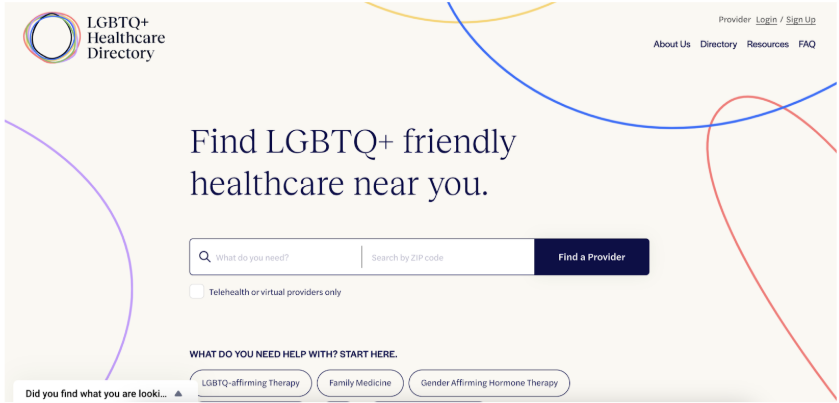
LGBTQ+ Healthcare Directory
Use the Gay and Lesbian Medical Association’s Provider Directory to look through a list of inclusive medical providers. Search by location (zip/postal code, state, or community partner).
LGBTQ
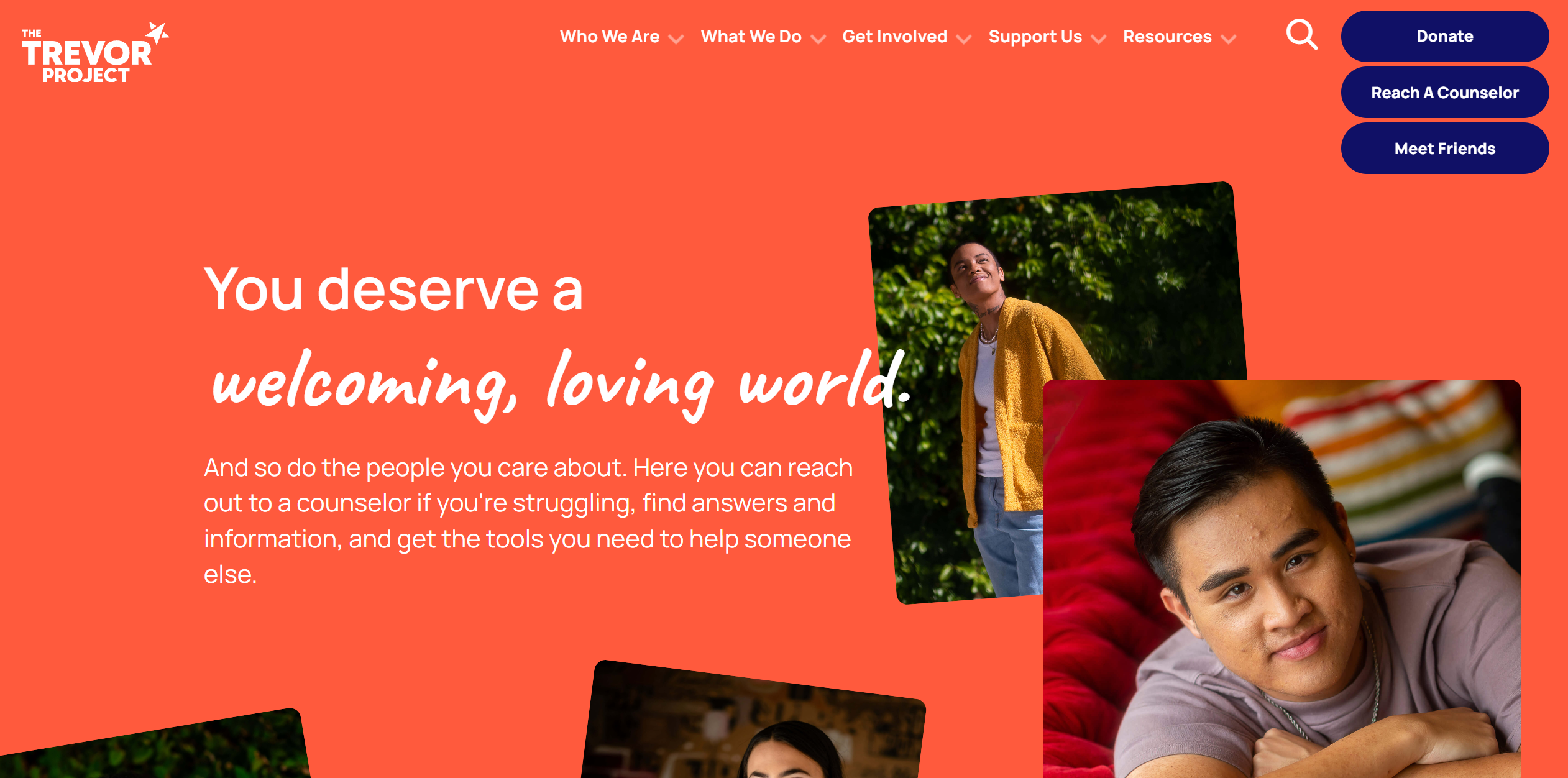
The Trevor Project Support Center
Access this site to find answers to frequently asked questions, and explore resources related to sexual orientation, gender identity, HIV/AIDS, mental health, sexual health and much more.
LGBTQ

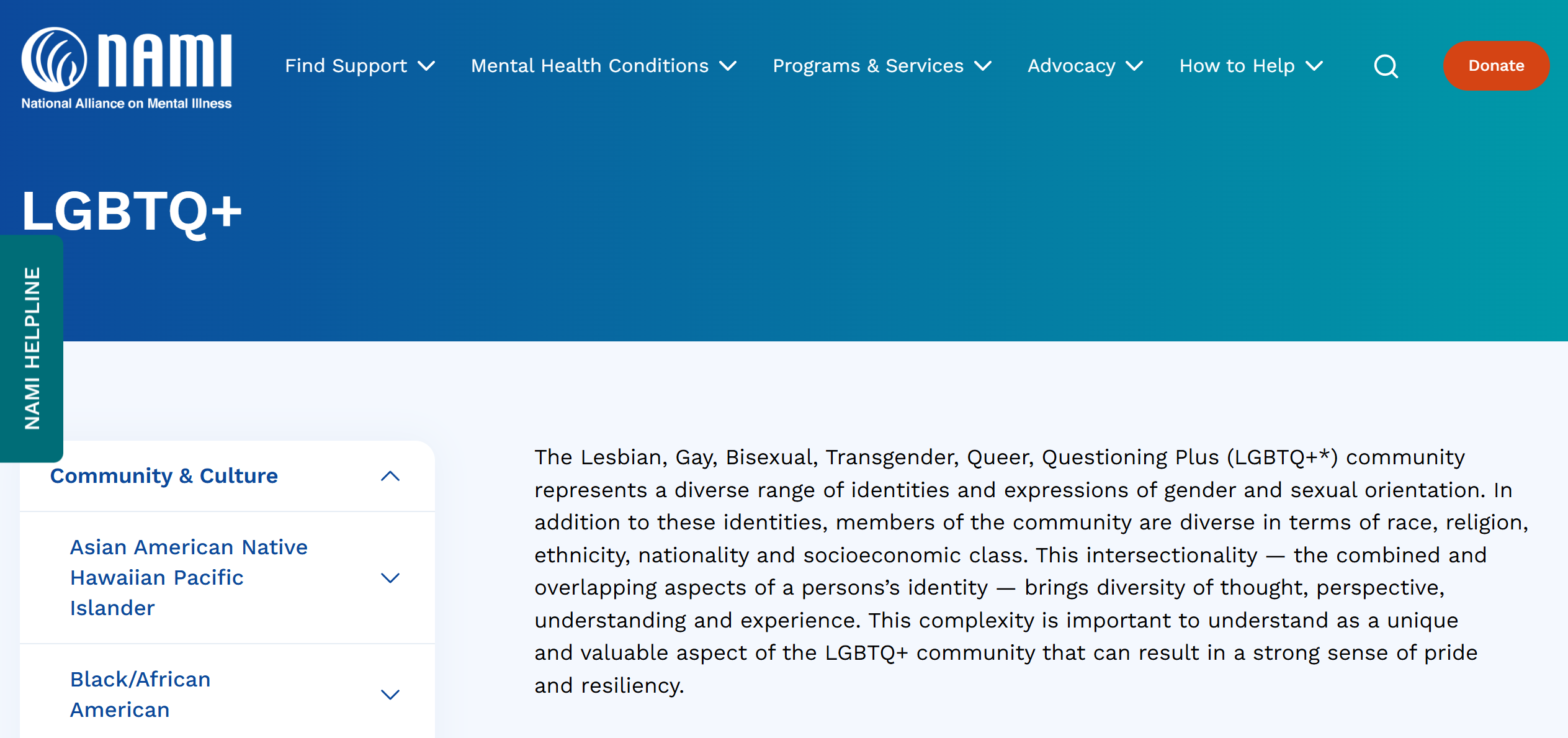
LGBTQ Community – Overview
Access this site to learn more about the challenges that you may face as a member of the LGBTQ community and how to find and work with LGBTQ-inclusive providers to ensure more positive outcomes.
LGBTQ
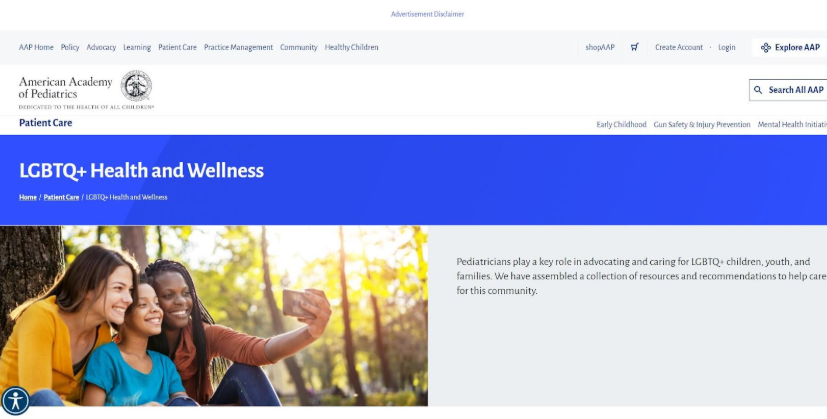
LGBTQ+ Health and Wellness
If you want to learn more about caring for LGBTQ children and youth, visit the American Academy of Pediatrics’ website for more information.
LGBTQ
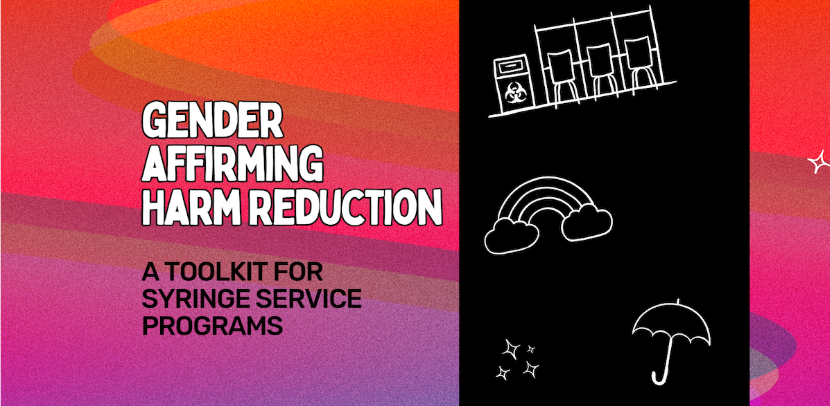
Gender Affirming Harm Reduction: A Toolkit for Syringe Service Programs
This living document is meant to assist service providers in better understanding the needs of trans, gender nonconforming, and nonbinary people when utilizing syringe service programs.
LGBTQ
Addressing Opioid Use Disorder among LGBTQ Populations
Download this comprehensive 12-page resource for best practices for addressing opioid use disorder among LGBTQ people, opioid use disorder treatment and medication interactions, trauma-informed care, and adapting behavioral health addiction treatment frameworks for LGBTQ people.
LGBTQ
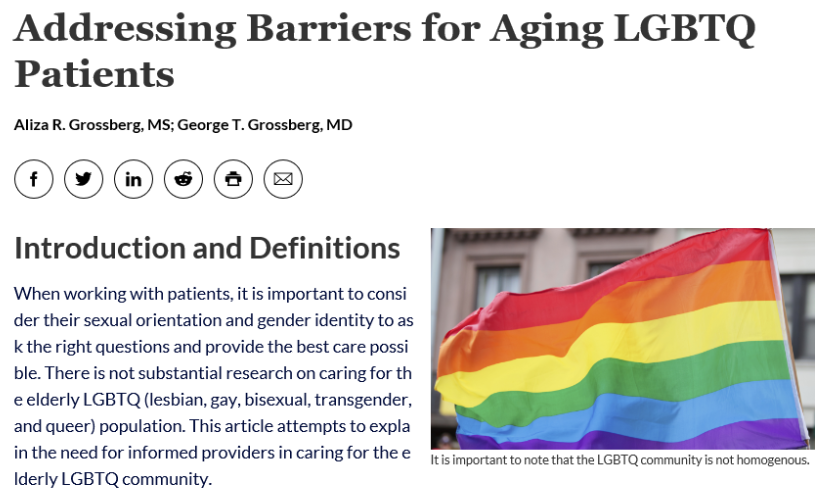
Addressing Barriers for Aging LGBTQ Patients
Understand key definitions when working with LGBTQ communities, needs and concerns for older LGBTQ adults, healthcare disparities, mental health issues, disparities specific to elderly transgender individuals and end-of-life issues.
LGBTQ
LGBTQ+ Healthcare Directory
Use the Gay and Lesbian Medical Association’s Provider Directory to look through a list of inclusive medical providers. Search by location (zip/postal code, state, or community partner).
LGBTQ
The Trevor Project Support Center
Access this site to find answers to frequently asked questions, and explore resources related to sexual orientation, gender identity, HIV/AIDS, mental health, sexual health and much more.
LGBTQ