
Benzodiazepine Common Uses and Appropriate Alternatives
Benzodiazepines are not recommended as first-line or long-term therapy for anxiety or insomnia
This is due to risks of physical dependence, sedation, cognitive impairment, misuse, overdose risk when combined with other medications or substances, and possible association with increased mortality and suicide risk.
Anxiety disorders commonly co-occur with substance use disorders (SUDs). Screen for alcohol, cannabis, stimulant, sedative, and other substance misuse, and address active substance misuse or SUD alongside anxiety and ADHD treatment planning.
Situations where anxiety may benefit from benzodiazepines
- “Bridge” therapy for 2-3 weeks while waiting for effectiveness of first-line treatments, such as SSRIs or cognitive behavioral therapy
- Acute or severe symptom control
- No other treatment, including therapy, has helped with the symptoms
- The patient cannot tolerate other medications
Situations where insomnia may benefit from benzodiazepines
- Acute symptom control in patients with short-term insomnia that is linked to a trigger, such as severe jet lag, acute stress, or grief
- After CBT-I is deemed insufficient
- No other treatment, including therapy, has helped with the symptoms
If you and your patient decide that benzodiazepines are the best choice, follow safe prescribing recommendations
Check out the Safe Prescribing Recommendations section to find:
- High-risk populations
- A patient-provider agreement template
- Misuse screening questions
Appropriate alternatives
Start with non-medication options
This includes interventions like:
- Cognitive behavioral therapy
- Cognitive behavioral therapy for insomnia (CBT-I)
- Mindfulness exercises
Consider non-benzodiazepine options
Medications used for chronic conditions:
- SSRIs
- SNRIs
- TCAs
- Mirtazapine
- Buspirone
Medications used for acute situations (e.g. situational anxiety):
- Hydroxyzine
- Propranolol
Insomnia medications include:
- Melatonin receptor agonists (i.e., over the counter melatonin, Ramelteon [Rozerem], Tasimelteon [Hetlioz])
- Dual orexin receptor antagonists (i.e., Suvorexant [Belsomra], Lemborexant [Dayvigo], Dairdorexant [Quviviq])
- Doxepin, trazodone, mirtazapine
Filters
Selecting filters will auto-adjust the list.
Type at least three characters, and the list will auto-filter.
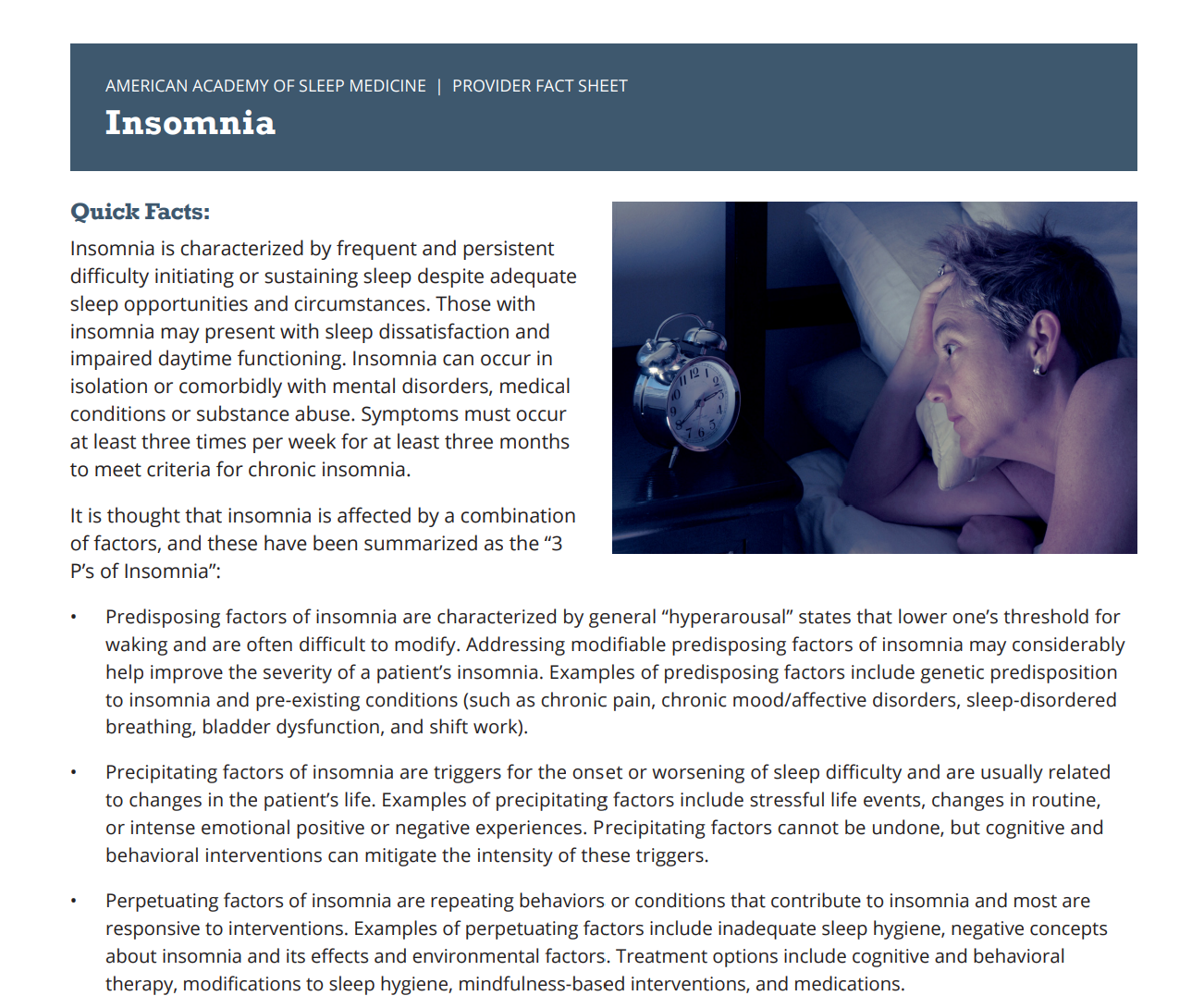
American Academy of Sleep Medicine: Provider Fact Sheet – Insomnia
This fact sheet provides information on insomnia, its impacts, and what providers can do to address insomnia in patients.
Benzodiazopine Toolkit-Common Uses and Appropiate Alternatives

NHBLI: Sleep Health
This website from the National Heart, Lung, and Blood Institute (NHBLI) provides up-to-date information and education on sleep health and management.
Benzodiazopine Toolkit-Common Uses and Appropiate Alternatives
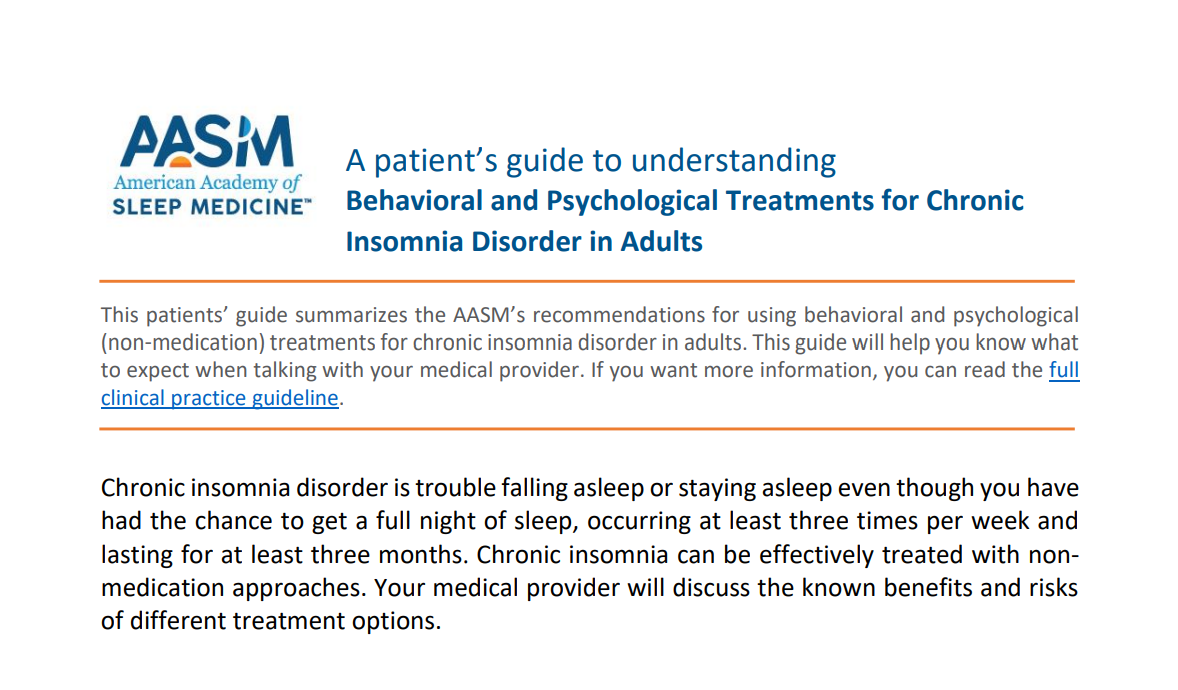
American Academy of Sleep Medicine: A patient’s guide to understanding Behavioral and Psychological Treatments for Chronic Insomnia Disorder in Adults
This one-page guide from the ASAM helps patients understand what chronic insomnia disorder is, along with non-medication treatment options for the disorder such as CBT-I, BTIs, stimulus control, and others.
Benzodiazopine Toolkit-Common Uses and Appropiate Alternatives
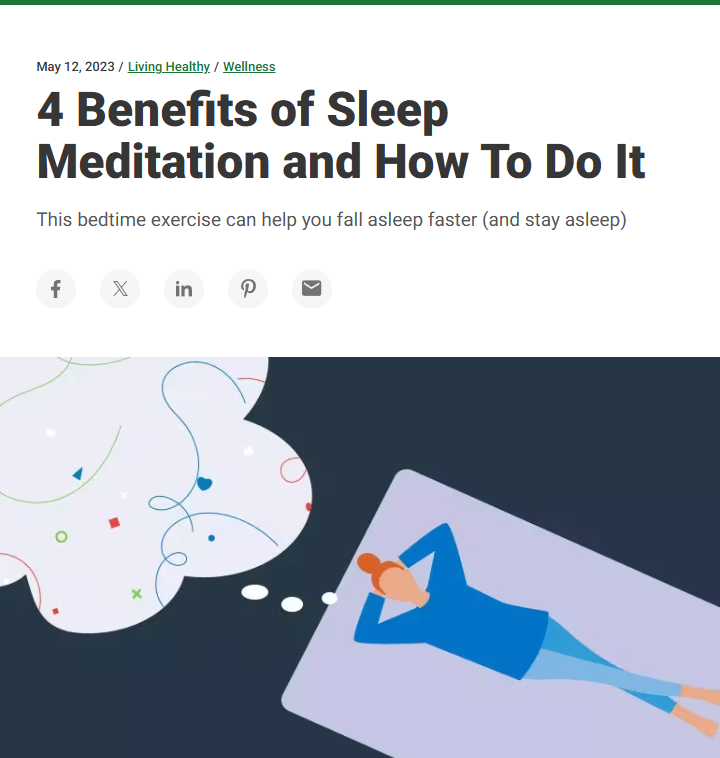
Cleveland Clinic: 4 Benefits of Sleep Meditation and How To Do It
This article explains what sleep meditation is, its benefits for insomnia and anxiety, along with how to do it.
Benzodiazopine Toolkit-Common Uses and Appropiate Alternatives
Clinical practice guideline for the pharmacologic treatment of chronic insomnia in adults: an American Academy of Sleep Medicine clinical practice guideline
This American Academy of Sleep Medicine (AASM) guideline focuses on individual drugs commonly used to treat insomnia. It includes drugs that are FDA-approved for the treatment of insomnia, as well as several drugs commonly used to treat insomnia without an FDA indication for this condition. This guideline should be used in conjunction with other AASM …
Benzodiazopine Toolkit-Common Uses and Appropiate Alternatives
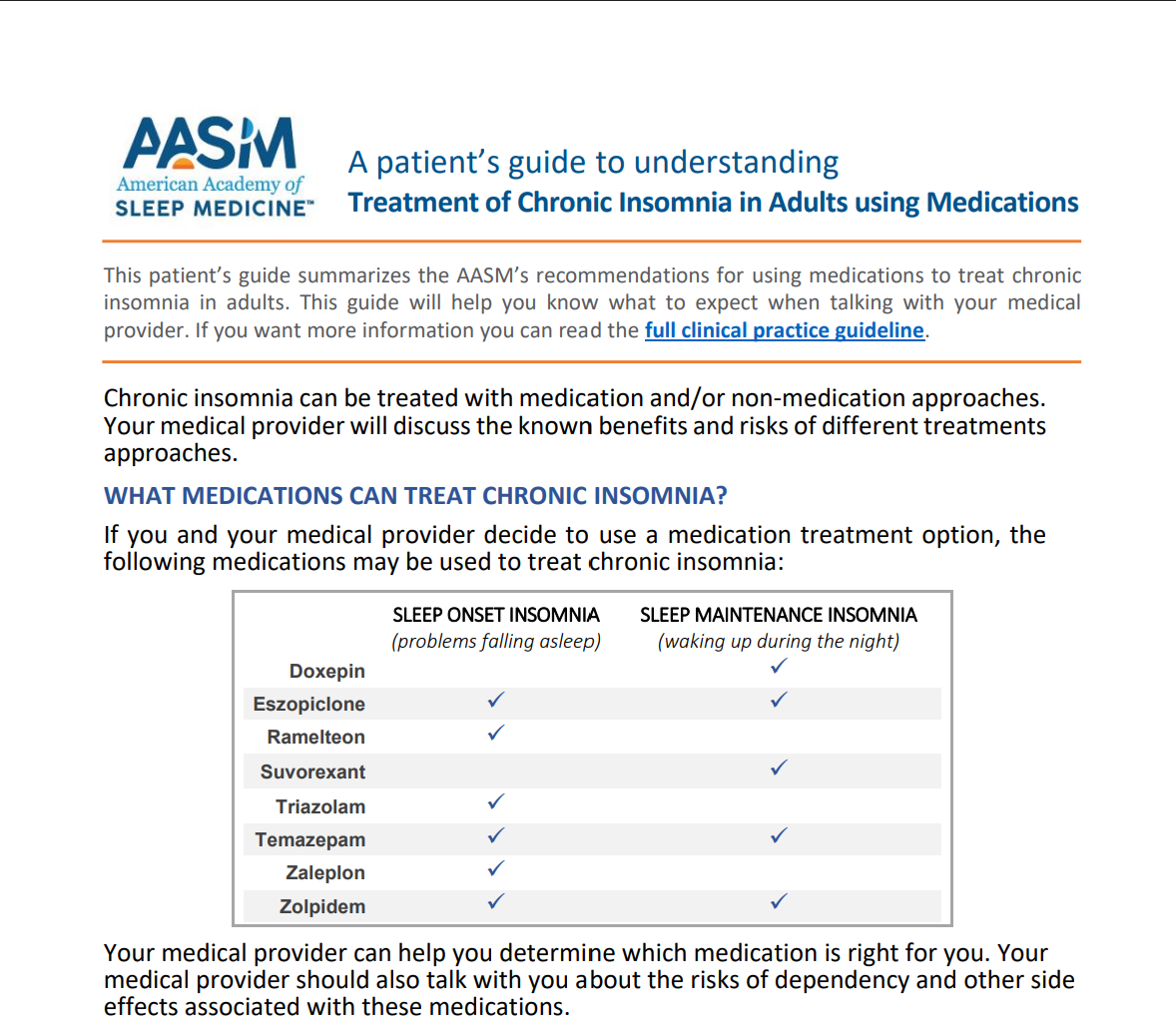
American Academy of Sleep Medicine: A patient’s guide to understanding Treatment of Chronic Insomnia in Adults using Medications
This guide from the AASM summarizes the organization’s recommendations for using medications to treat chronic insomnia in adults, helping patients know what to expect when talking with their medical provider.
Benzodiazopine Toolkit-Common Uses and Appropiate Alternatives
VA/DoD Clinical Practice Guidelines: The Management of Chronic Insomnia Disorder and Obstructive Sleep Apnea (Insomnia/OSA) (2019)
The guideline outlines critical decision points in the Management of Chronic Insomnia Disorder and Obstructive Sleep Apnea (Insomnia/OSA) and provides clear, comprehensive, evidence-based recommendations that incorporate current information and practices for both providers and patients.
Benzodiazopine Toolkit-Common Uses and Appropiate Alternatives
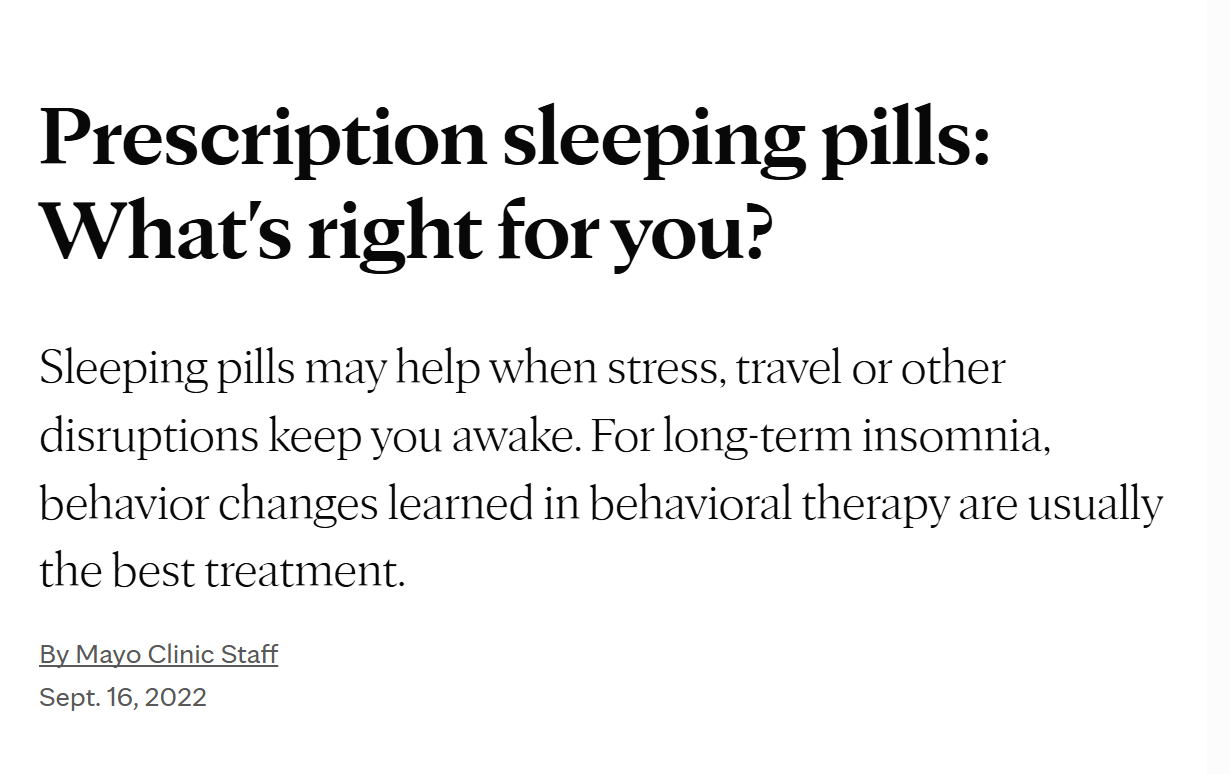
Mayo Clinic: Prescription sleeping pills – What’s right for you?
This article from Mayo Clinic on prescription sleeping pills provides patients with information on different types, what to expect when talking with your provider and insurance, side effects, and safe use recommendations.
Benzodiazopine Toolkit-Common Uses and Appropiate Alternatives
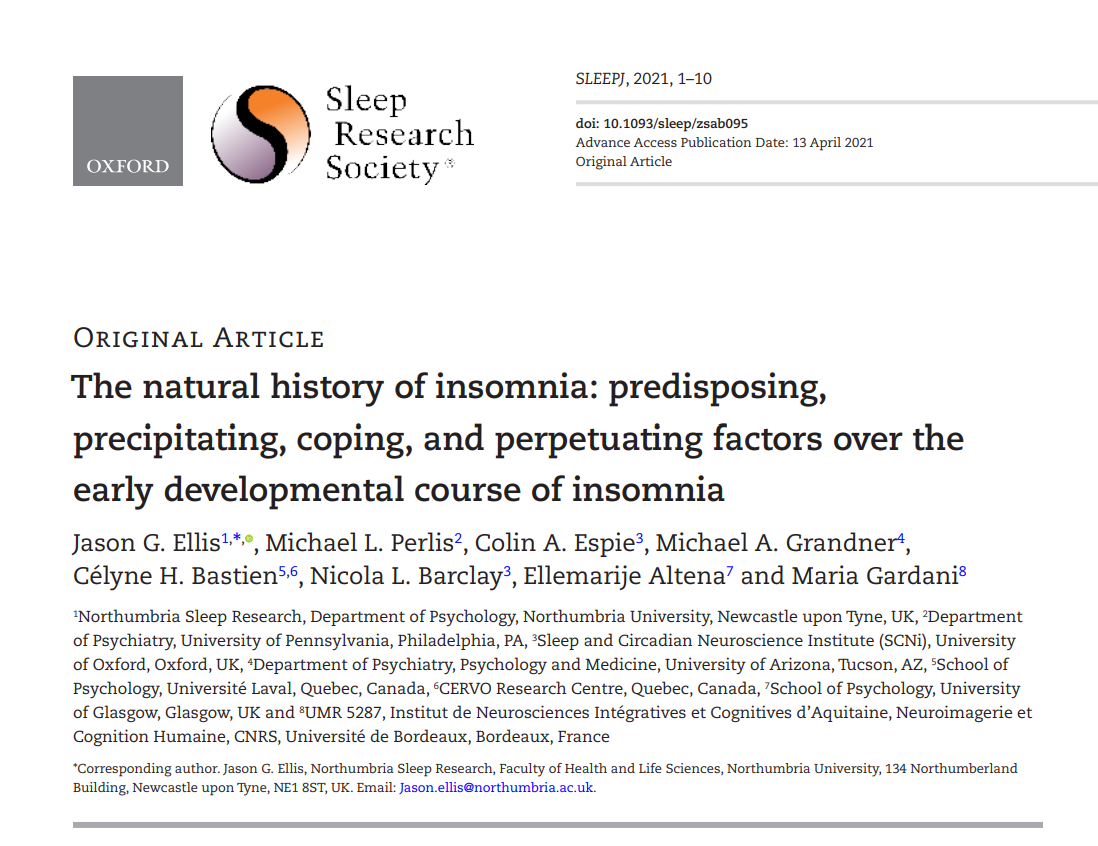
The Natural History Of Insomnia: Predisposing, Precipitating, Coping, And Perpetuating Factors Over The Early Developmental Course Of Insomnia.
This paper explored whether several hypothesized factors in each domain (predisposing, precipitating, coping, and perpetuating), assessed during an episode of acute insomnia (AI), are related to its persistence or remission to normal sleep.
Benzodiazopine Toolkit-Common Uses and Appropiate Alternatives
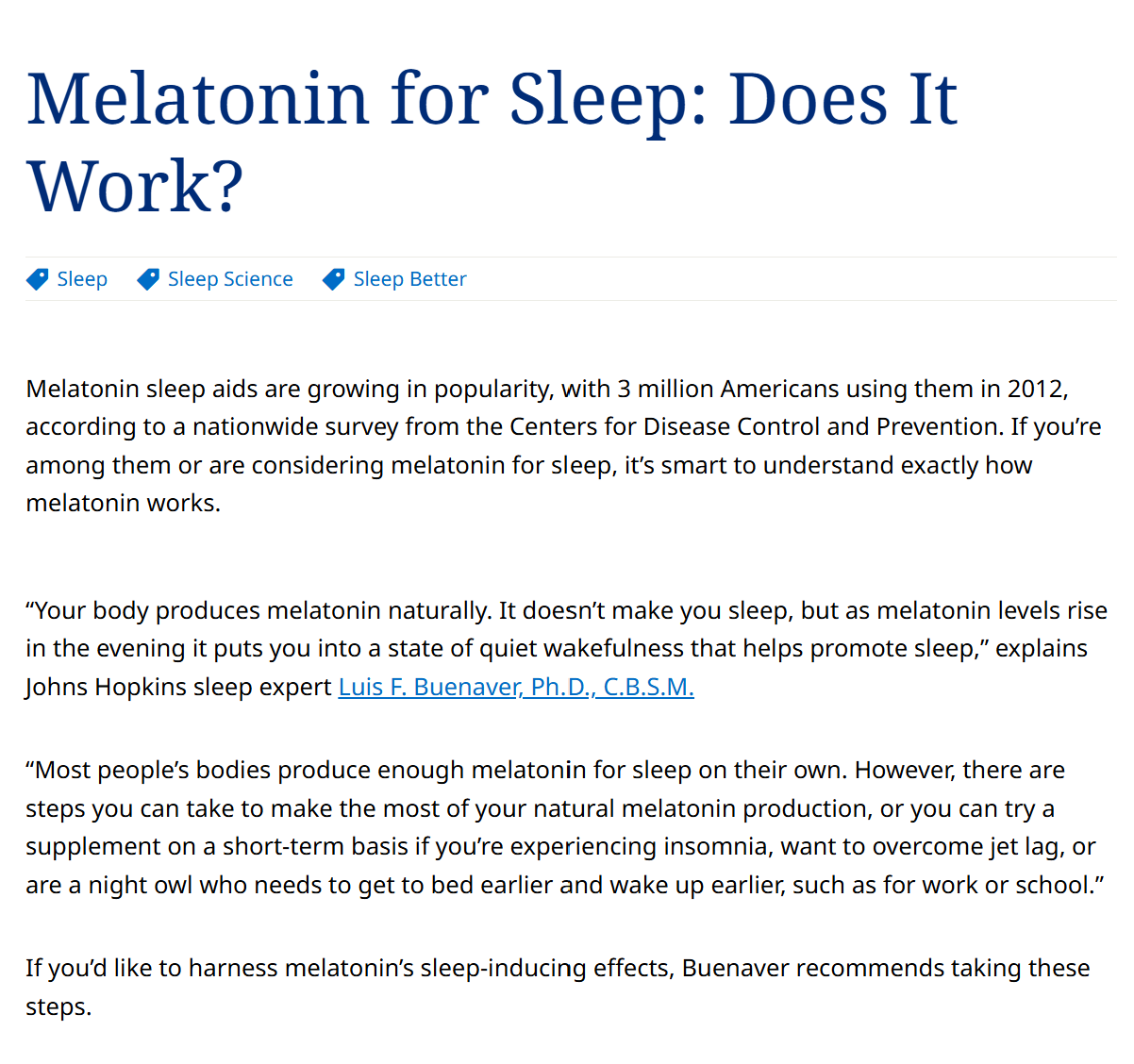
Johns Hopkins Medicine: Melatonin for Sleep – Does It Work?
This resource from Johns Hopkins provides information on melatonin sleep aids, how to use them properly, and whether they are the best fit for your patient.
Benzodiazopine Toolkit-Common Uses and Appropiate Alternatives
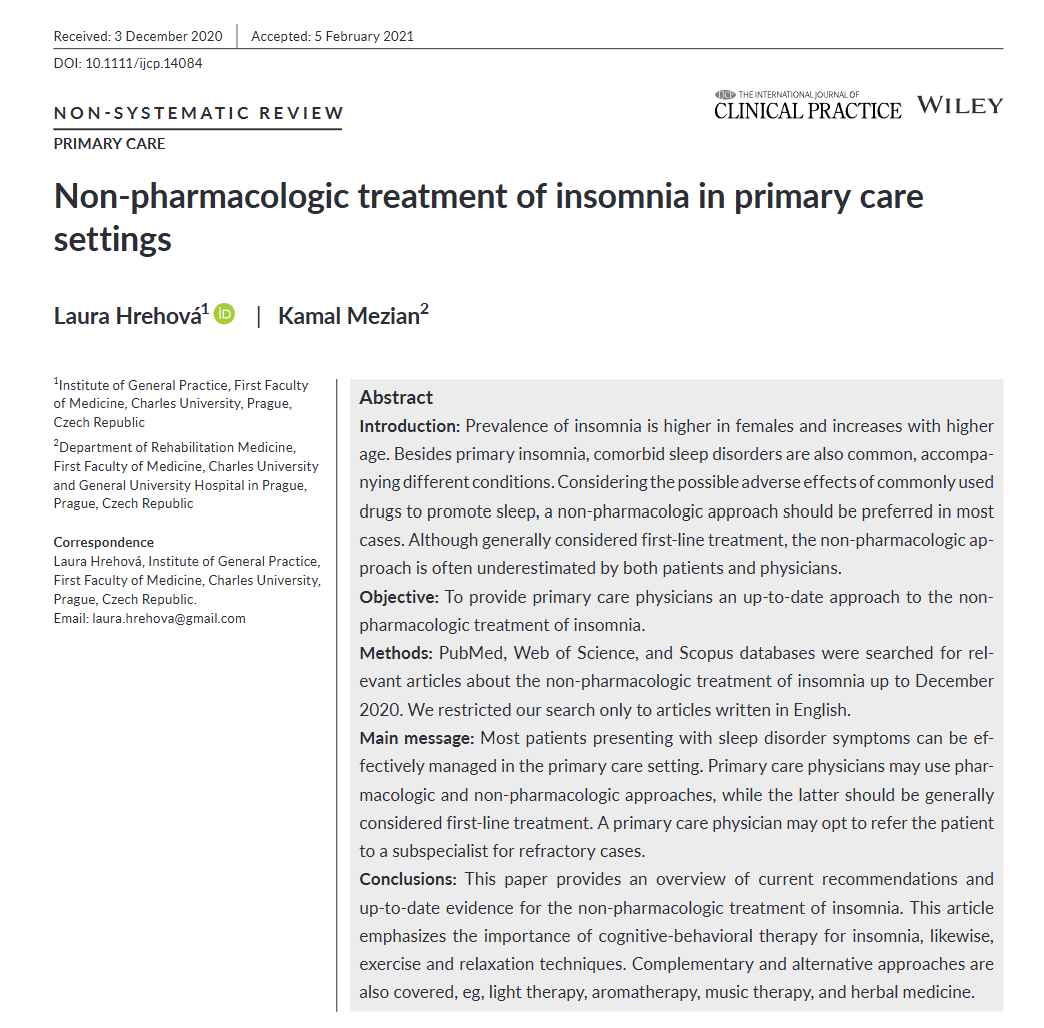
Non‐Pharmacologic Treatment Of Insomnia In Primary Care Settings
This paper provides an overview of current recommendations and up-to-date evidence for the non-pharmacologic treatment of insomnia. This article emphasizes the importance of cognitive-behavioral therapy for insomnia, likewise, exercise and relaxation techniques. Complementary and alternative approaches are also covered, eg, light therapy, aromatherapy, music therapy, and herbal medicine.
Benzodiazopine Toolkit-Common Uses and Appropiate Alternatives
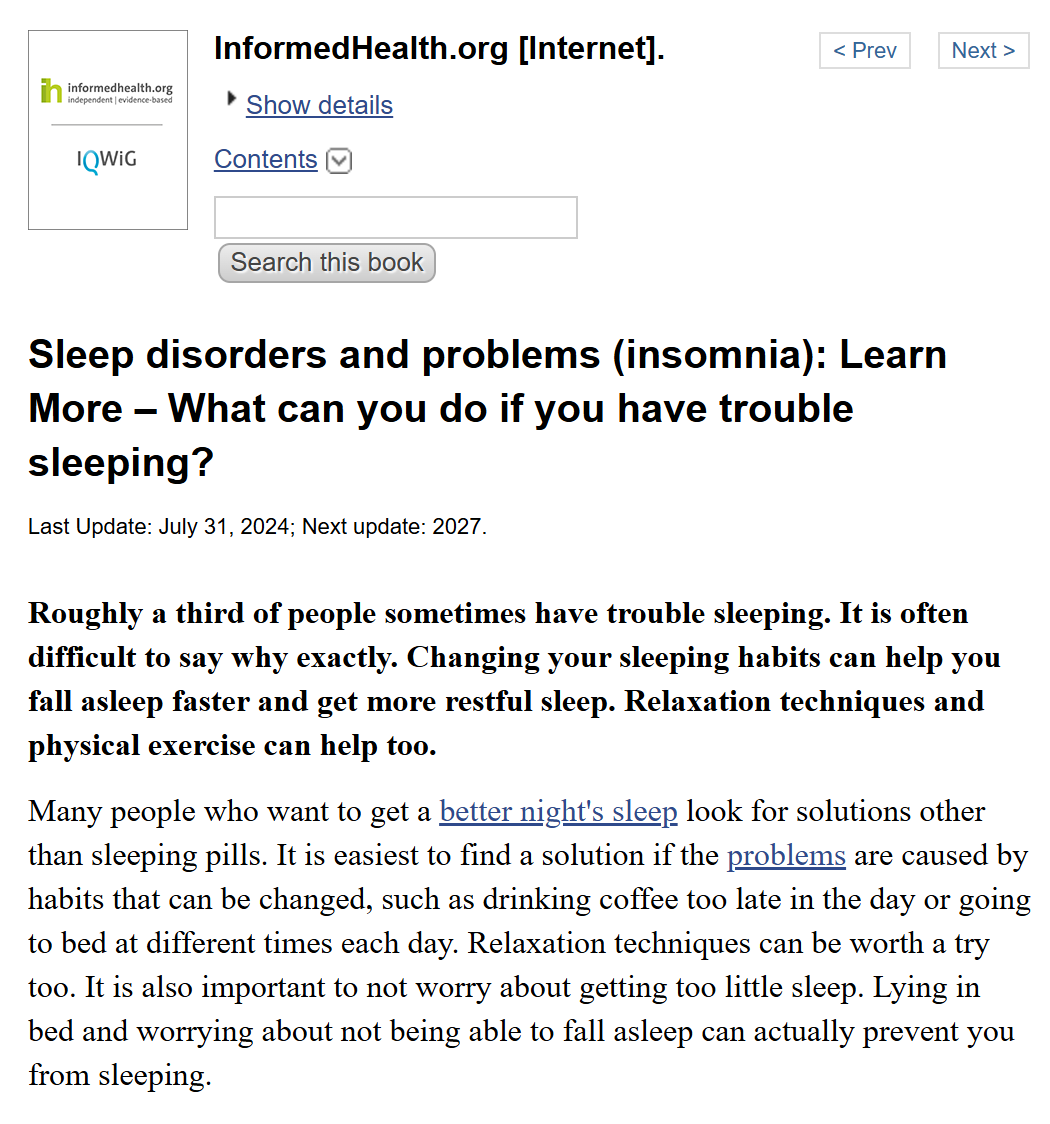
Institute for Quality and Efficiency in Health Care (IQWiG): Insomnia – Relaxation techniques and sleeping habits
This paper provides an overview of relaxation techniques and sleep habits that might help a patient fall asleep. The language is not overly technical, and this article can be shared with patients.
Benzodiazopine Toolkit-Common Uses and Appropiate Alternatives