Nursing and Opioid Use Disorder
Nurses play an important role in caring for patients with pain and/or opioid use disorder.
While dosing and prescribing responsibilities are with the prescriber, nurses typically spend more time with patients, which may give them important insights into the patient’s health and needs.
Some roles that nurses play in caring for these patients are:
- Educating
- Monitoring health and medication uptake
- Flagging concerns
Initiation
Screening and intake
Often, nurses are the first health care professionals a patient will contact in the clinic. Often, nurses set the tone for the patient’s experience, so it’s important that they can make the patient feel heard, seen, and supported. This includes:
- Using supportive language (see below)
- Using effective communication strategies
- Meeting the patient where they are
Trust and Language
Trust builds over time, not after one interaction. Language is one way to help build trust.
| Say… | Instead of… |
|---|---|
| “Person with opioid use disorder” | “Addict, abuser” |
| “Positive/negative test” | “Clean, dirty” |
| “Medication for opioid use disorder” | “Substitute, replacement” |
| “Person in recovery” | “Former addict” |
Stabilization:
Determining social determinants of health and connecting to resources
Nurses can often have more time with their patients to determine social determinants of health that may affect care. This includes:
- Transportation access
- Housing
- Employment status
- Food security
It can be helpful to have a list of community-based organizations or resources to connect the patient with support. This can include:
- Local food pantries
- Free or low-cost transportation options
- Education on 2-1-1
Ongoing maintenance and support
Close follow-up via phone calls
If scheduling short check-in phone calls is possible in your setting, this can be a great way for nurses to support patients.
Nurses play an important role in keeping patients safe
Recognize humanity regardless of their health behaviors
Your patients deserve to be healthy, even if they have not made healthy decisions in the past. Communicating this to your patient helps build a positive relationship.
Talk about actual harms, not moral ones
Emphasize that there are real, physical harms to substance use. Avoid talking about moral or societal issues. Start by making a plan for safer or decreased use of substances if your patient is not ready to quit.
Every patient is different, and they have their own autonomy
Using a “one size fits all” approach typically isn’t helpful. Offer your patients choices and talk to them about their concerns and barriers. Let them decide what is best for them using a shared decision-making approach.
Celebrate small wins
Recovery is rarely linear. By celebrating small wins and supporting your patient through bumps in the road, you can help build a strong relationship with them.
Support your patient through difficult times
It’s important not to stop seeing your patients for failing to achieve their goals. Everyone’s path is different. This doesn’t mean that you can’t hold your patients accountable. It still can be appropriate to escalate care and let your patient know that you are concerned about them.
Filters
Selecting filters will auto-adjust the list.
Type at least three characters, and the list will auto-filter.
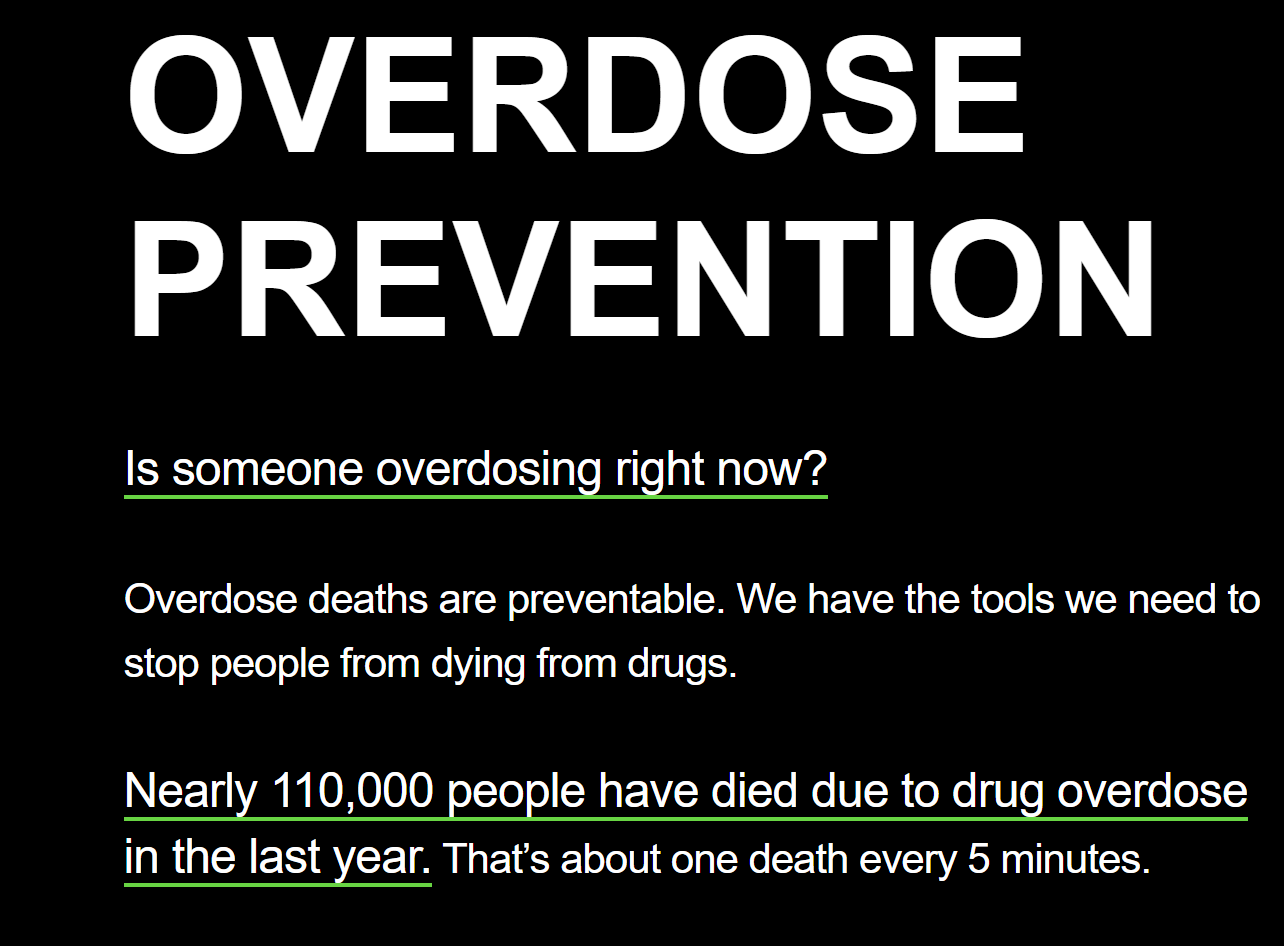
MOUD and Overdose Prevention Resources
The provides a variety of resources regarding medications for opioid use disorder (MOUD) and evidence-based overdose prevention strategies for healthcare and social service professionals, and their patients.
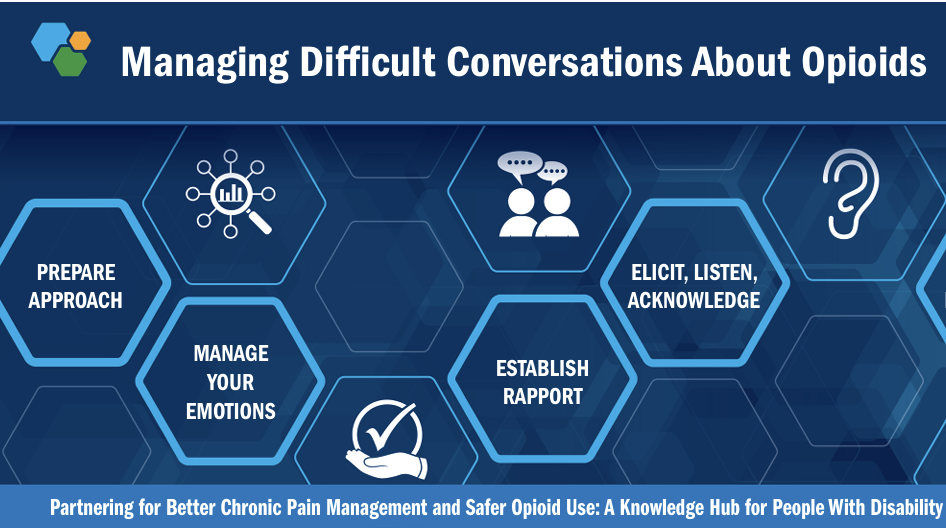
American Institutes for Research (AIR): Managing Difficult Conversations
This resource shares actionable tips to promote effective conversations regarding better chronic pain management and safer opioid use.
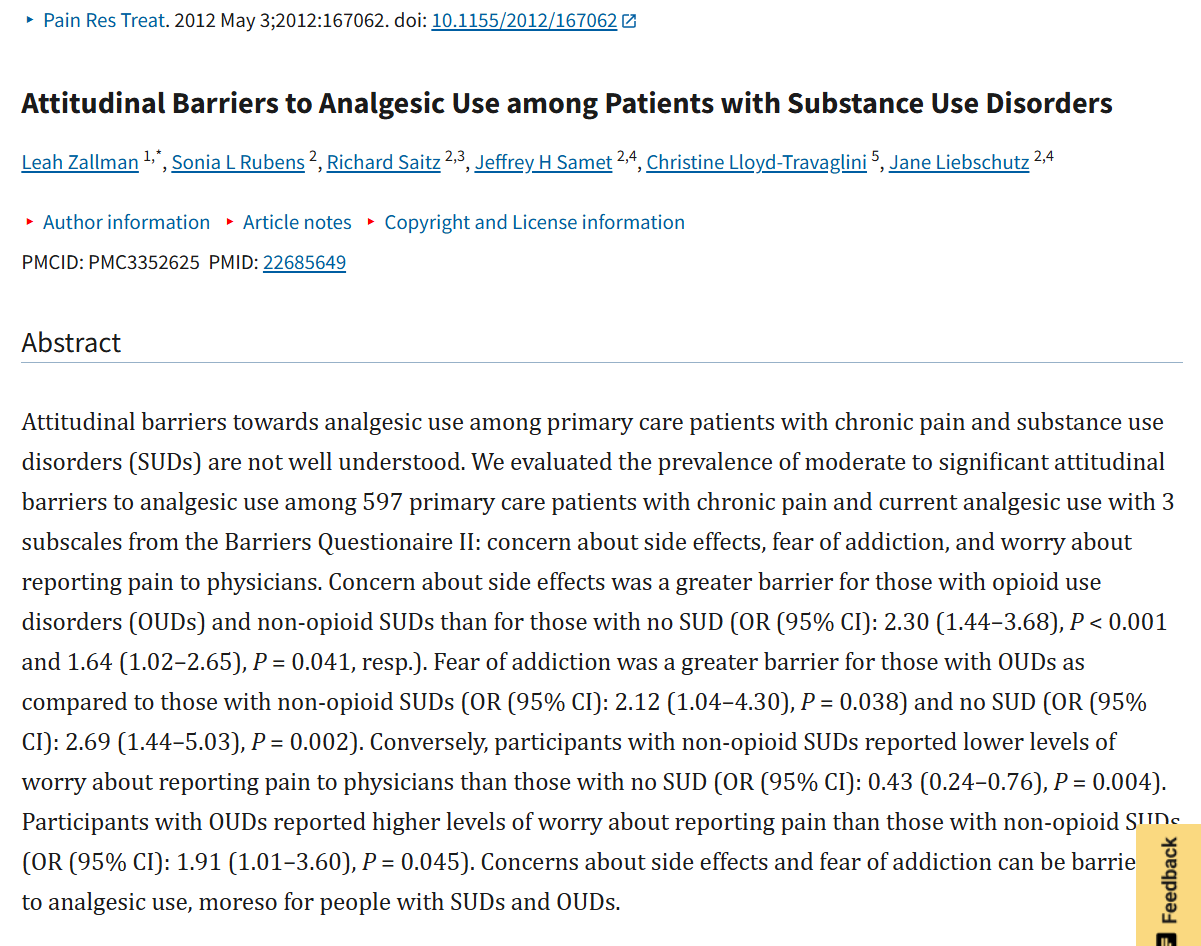
Attitudinal Barriers to Analgesic Use among Patients with Substance Use Disorder
This study looks at the different attitudinal barriers towards pain relief medications among patients with substance use disorders in a primary care setting.
Tapering opioids: a comprehensive qualitative review
This comprehensive review covers the benefits and risks of tapering opioids, with the intent of equipping clinicians with the knowledge to be able to successfully reduce and stop opioid therapy when appropriate.

2022 CDC Clinical Practice Guideline for Prescribing Opioids for Pain
This guideline provides recommendations for clinicians providing pain care, including those prescribing opioids, for patients aged 18 years and older.
HHS Guide for Clinicians on the Appropriate Dosage Reduction or Discontinuation of Long-Term Opioid Analgesics
This HHS guide provides advice to clinicians who are contemplating or initiating a reduction in opioid dosage or discontinuation of long-term opioid therapy for chronic pain.

Boston Medical Center (BMC) Grayken Center for Addiction Training and Technical Assistance (TTA)
A comprehensive resource with a variety of tools and information tailored to healthcare and social service professionals regarding substance use disorder treatment and care.

American Nurses Association (ANA): Opioid Epidemic Resources
The ANA provides a variety of resources and information for nurses on opioid use disorder, substance use disorder, and best practices when it comes to treatment and care.