Stimulant Common Uses and Alternatives
There are two main conditions that may benefit from the use of stimulants: ADHD and narcolepsy. Below is a brief overview of each condition, along with resources for appropriate alternatives.
ADHD
Attention-deficit/hyperactivity disorder (ADHD) is a neurodevelopmental disorder that can occur in both adults and children.
Non-Pharmacologic Management of ADHD
Parent Training in Behavior Management for ADHD is most effective for young children (2-5 years of age) and generally involves 8-12 training sessions and includes teaching parents how to:
- Establish a consistent daily routine with structure and clear rules for children to follow
- Provide specific praise and attention for good behavior and not providing attention for mild, annoying but not harmful behaviors (choosing your battles)
- Use developmentally appropriate directions and instructions
- Use consistent and effective disciplinary strategies
- Foster positive social skills and interactions
Narcolepsy
Narcolepsy is a chronic neurological disorder that affects the brain’s ability to control sleep-wake cycles. Amphetamines and methylphenidate are considered third-line agents for narcoplepsy.
Filters
Selecting filters will auto-adjust the list.
Type at least three characters, and the list will auto-filter.

NHS: Narcolepsy
General information on this rare condition, including symptoms, diagnosis, and treatment.
Common Uses and Appropiate Alternatives

MedScape: Narcolepsy
Comprehensive resource for clinicians that includes how narcolepsy changes the body, symptoms, diagnosis, and treatment. Requires free registration to access; site contains other free tools and CME opportunities.
Common Uses and Appropiate Alternatives
StatPearls NLM: Narcolepsy
Comprehensive resource for clinicians that includes how narcolepsy changes the body, symptoms, diagnosis, and treatment.
Common Uses and Appropiate Alternatives

Up to Date: Treatment of Narcolepsy in Adults
Comprehensive resource for clinicians with detailed approach to treatment of narcolepsy through medication.
Common Uses and Appropiate Alternatives
NIH: NHLBI – Your Guide to Healthy Sleep
In this patient booklet, learn about the types of sleep, common sleep myths, and practical tips for getting adequate sleep and coping with jet lag and nighttime shift work. This booklet also gives information on avoiding dangerous drowsy driving and an overview of certain sleep disorders, such as insomnia, sleep apnea, restless legs syndrome, narcolepsy, …
Common Uses and Appropiate Alternatives
Children’s Hospital of Philadelphia: Narcolepsy
General information about narcolepsy for parents and guardians.
Common Uses and Appropiate Alternatives
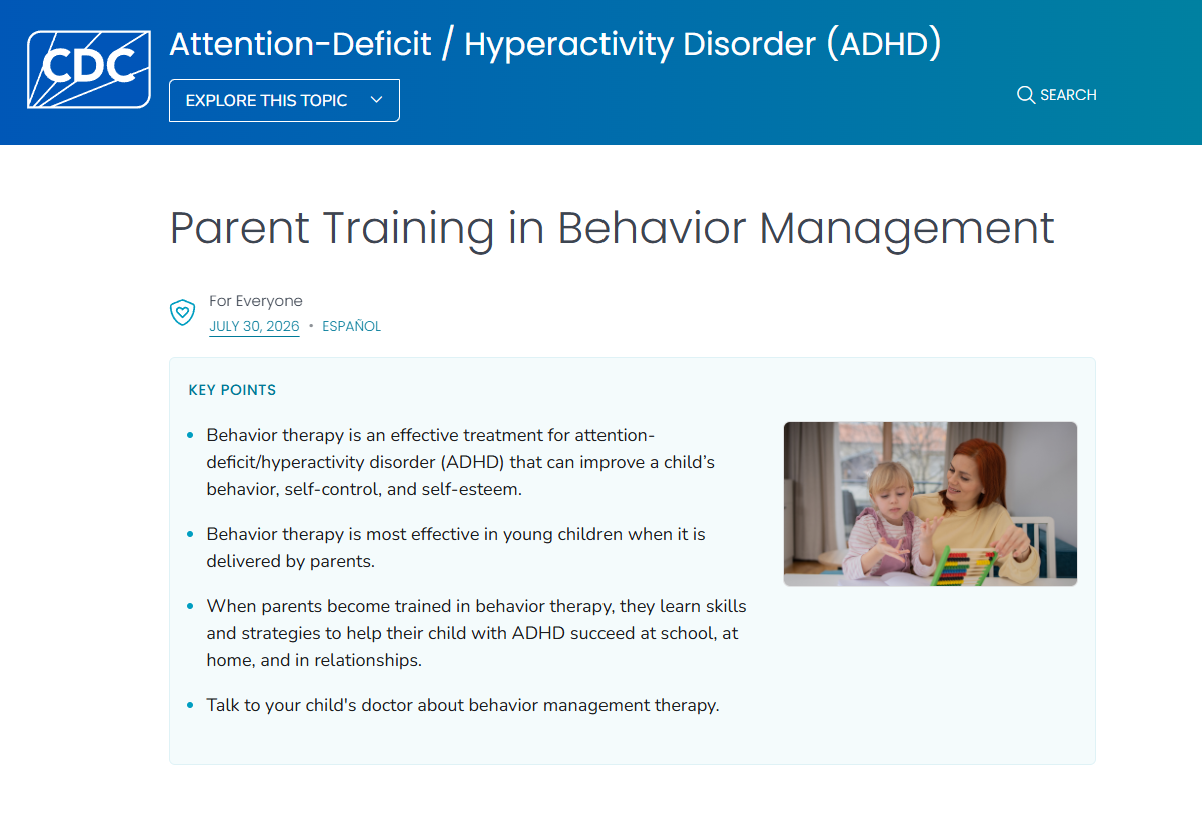
CDC: Parent Training in Behavior Management for ADHD
This resource describes how behavior therapy, delivered by a trained parent, is an effective treatment for ADHD. It also helps parents understand what to expect from this type of work, how to find a therapist, and tools to support the emotional well-being of children and youth with ADHD.
Common Uses and Appropiate Alternatives
Children and Adults with Attention-Deficit/Hyperactivity Disorder (CHADD): 12 Behavior Programs for Managing ADHD
This resource describes how behavior therapy training focuses on using positive reinforcement, structure, and consistent discipline to improve children’s behavior. It details the 12 most common types of behavioral parent training (BPT) with links to organizations that provide training.
Common Uses and Appropiate Alternatives
Non-pharmacologic management of attention-deficit/hyperactivity disorder in children and adolescents: a review
This article elaborates on the psychosocial, physical and integrative medicine interventions that have been studied in ADHD among children and adolescents.
Common Uses and Appropiate Alternatives
NIH: NINDS – Narcolepsy
General information on this rare condition, including diagnosis, treatment, and where to get additional information.
Common Uses and Appropiate Alternatives