
Background and General Information on Stimulants
Stimulants speed up the central nervous system
They include caffeine, nicotine, amphetamines, pseudoephedrine, khat, synthetic cathinones, and cocaine. Stimulants can create a sense of euphoria (or dysphoria), increase alertness and energy, enhance focus, and make a person feel more confident. They can also reduce appetite, increase heart rate and blood pressure, and cause insomnia. In higher doses, they can cause anxiety, paranoia, elevated body temperature, tremors, seizures, and muscle tension.
There are different types of stimulants
Amphetamines
Common amphetamines include:
- Adderall (amphetamine and dextroamphetamine)
- Vyvanse (lisdexamfetamine) – a prodrug of dextroamphetamine
These medications work by blocking dopamine and norepinephrine transporters (DAT and NET, respectively). This action increases the amount of dopamine and norepinephrine in the synaptic cleft. Amphetamines also interact with transporters and receptors to directly release dopamine and norepinephrine.
Methylphenidate
Common methylphenidates include:
- Ritalin
- Concerta – an extended-release tablet
These medications work through the same DAT and NET transporters as amphetamines.
Prescriptions for stimulants among adults have nearly doubled in the past decade.1
Prescription stimulant use disorder is estimated to affect 0.5% of people age 12 and older. Stimulant-involved overdose deaths are on the rise, as are ED visits.2,3
There is evidence of overdiagnosis of ADHD in children and adolescents, resulting in a rise of stimulant prescriptions.4
ADHD is characterized by impairments of varying severity related to occupational, academic, and social functioning. Before initiating medications, parent training in behavior management [PTBM] is recommended as it can improve a young child’s behavior, self-control, and self-esteem.5,6
Filters
Selecting filters will auto-adjust the list.
Type at least three characters, and the list will auto-filter.
Drug Policy Alliance: 9 Facts about Meth
A useful factsheet with general information and risk reduction regarding meth use.
Background/General Information on Stimulants
Drug Policy Alliance: 9 Facts about Cocaine
A useful factsheet with general information and risk reduction regarding cocaine use.
Background/General Information on Stimulants
PEW: Stimulant Use Is Contributing to Rising Fatal Drug Overdoses
A great summary published in August 2024 on recent research and data related to fatal drug overdose trends.
Background/General Information on Stimulants
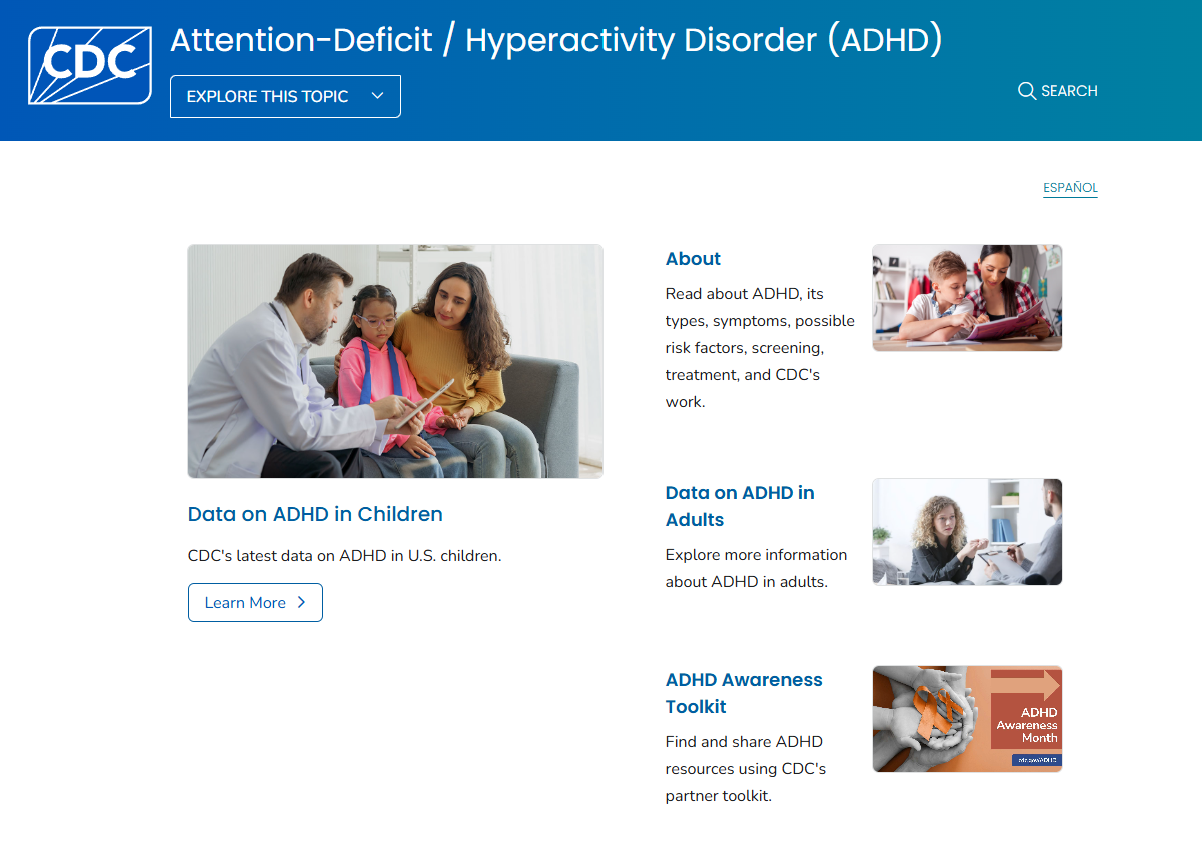
CDC: Attention Deficit / Hyperactivity Disorder (ADHD)
Extensive information on this condition, its diagnosis and management / treatment, national and state data / statistics. Includes state policies on prescription medications for ADHD. Includes fact sheets, webcasts, videos, and infographics for parents, clinicians, and educators.
Background/General Information on Stimulants
NIH: National Institute of Mental Health: Attention-Deficit/Hyperactivity Disorder
This resource gives a general overview of this condition, its diagnosis (signs and symptoms), and its management / treatment. In addition, shares information about how to find current clinical trials focused on ADHD and links to additional resources.
Background/General Information on Stimulants
AHRQ: ADHD Diagnosis and Treatment in Children and Adolescents
Published in March 2024, this systematic review assessed evidence on the diagnosis, treatment, and monitoring of attention deficit hyperactivity disorder (ADHD) in children and adolescents to inform a planned update of the American Academy of Pediatrics (AAP) guidelines.
Background/General Information on Stimulants
American Academy of Family Physicians: Attention-Deficit/Hyperactivity Disorder
This collection features the best content from AFP, as identified by the AFP editors, on attention-deficit/hyperactivity disorder (ADHD) and related issues, including the diagnosis, evaluation, and treatment of adults and children with ADHD.
Background/General Information on Stimulants
NICE: Attention Deficit Hyperactivity Disorder – Diagnosis and Management, NICE Guideline [NG87]
This guideline covers recognizing, diagnosing and managing attention deficit hyperactivity disorder (ADHD) in children, young people and adults. It aims to improve recognition and diagnosis, as well as the quality of care and support for people with ADHD.
Background/General Information on Stimulants
American Academy of Pediatrics: Attention Deficit Hyperactivity Disorder (ADHD)
The AAP provides clinical guidance and other resources to assist with the diagnosis and treatment of children and adolescents with Attention Deficit Hyperactivity Disorder (ADHD). Tools are provided for pediatricians, patients, families and teachers to ensure a comprehensive assessment of the patient’s functioning and behaviors leading to a proper diagnosis and successful treatment plan.
Background/General Information on Stimulants

CHOP Research Institute: Partnering to Achieve School Success (PASS) – Resources & Video Series on ADHD
This is a collection of resources for parents, caregivers, educators, and clinicians regarding the many ways to support children with ADHD. It includes a series of 9 videos covering a range of topics related to ADHD.
Background/General Information on Stimulants
Attention Deficit Disorder Association (ADDA)
This resource gives a general overview of this condition, its diagnosis (signs and symptoms), and its management / treatment.
Background/General Information on Stimulants
StatPearls: Stimulants
This resource provides general information on stimulants for health professionals and providers.
Background/General Information on Stimulants