Safe Prescribing for Stimulants
Like any other medication, there are benefits and risks to stimulant treatment
Specifically, among those with ADHD, there are benefits of taking a stimulant across the lifespan.
Benefits – beyond symptom control:
- Lower all-cause mortality rates
- Improved occupational performance and job retention
- Reduced risk of suicidal behaviors
- Decreased substance use
- Lower criminal convictions
- Decreased motor vehicle crashes
Risks:
- Serotonin Syndrome
- Cardiovascular concerns
- Psychosis
- Mania
- Weight loss/impaired growth
- Sleep disturbances
- Headaches
Make sure you have an accurate diagnosis
Children
The NICHQ Vanderbilt ADHD Assessment Scale is a recommended measure that is administered to both parents and teachers. Guidelines recommend primary care clinicians make the clinical diagnosis of ADHD in pediatric patients.
Adults
Appropriately trained primary care clinicians, psychologists, and neurologists are often involved in the diagnosis of ADHD in adults.
Take a look at other medical conditions
There are some medical conditions that may be affected by stimulant use. It’s important to collaborate with other specialists or perform other tests to monitor your patient effectively.
Cardiac conditions
blood pressure, heart rate, vascular and arterial disease
Consider collaboration with a patient’s cardiologist
Growth and metabolic conditions
height, weight, and appetite are often affected
Neuropsychiatric conditions
psychosis, mania, sleep, and substance use
When these are present, careful consideration of stimulant use is needed and collaboration with the providers responsible for these neuropsychiatric conditions is important
Choose a medication that you think will be best for your patient
There are many options for medications. This resource outlines some options, with notes on considerations.
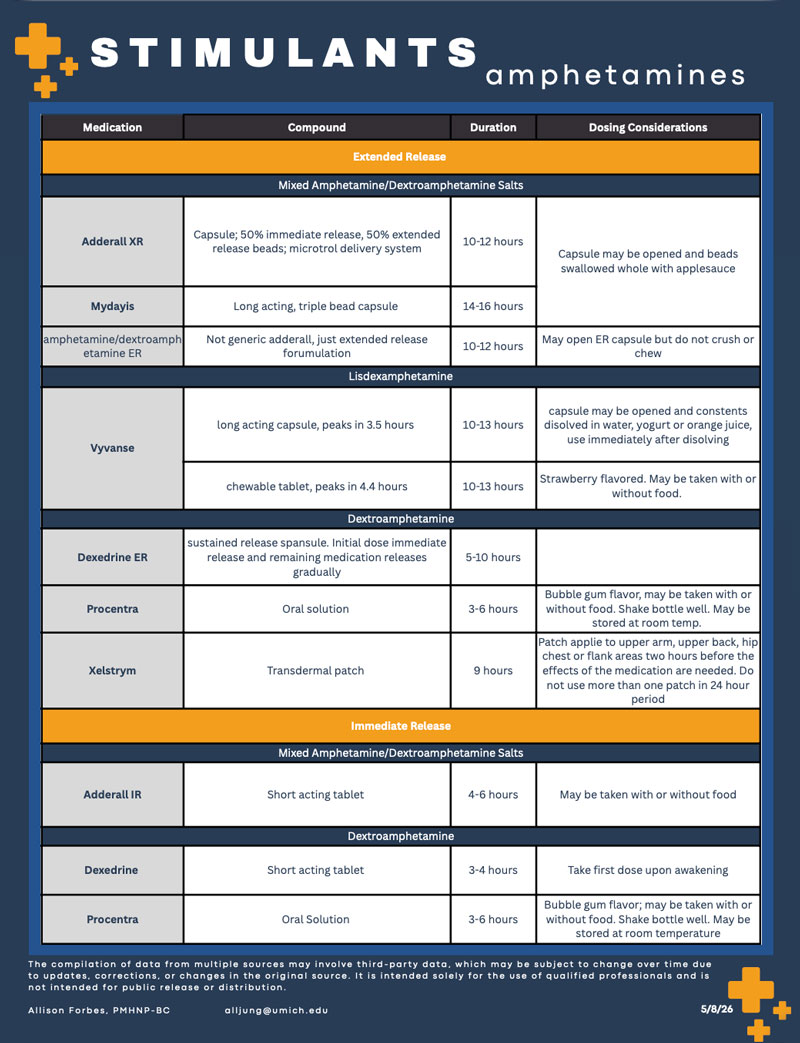
When switching stimulants, you don’t need to cross-taper
You can stop one stimulant and start another. If going from a stimulant to a non-stimulant, it can be helpful to start the non-stimulant before discontinuing the stimulant.
When discontinuing stimulants, you don’t necessarily need to taper
While patients tend to feel better if you taper stimulants, it is safe to stop the medication without a taper. In contrast, a taper is necessary when discontinuing medications such as opioids or benzodiazepines.
It may be necessary to monitor certain patients using a random urine drug screen
Review MAP and have a Controlled Substance Agreement on file
It is required to review MAP before prescribing a controlled substance. A controlled substance agreement is also required and should be on file.
Filters
Selecting filters will auto-adjust the list.
Type at least three characters, and the list will auto-filter.
CHADD: Medication Management for Adults with ADHD
A comprehensive resource on ADHD for adult patients, including but not limited to, medication management for adults with ADHD.
Safe Prescribing for Stimulants

The MGH Center for Women’s Mental Health: ADHD
A series of articles summarizing recent research and advances in the care of women with ADHD; appropriate for clinicians and patients.
Safe Prescribing for Stimulants
Attention-Deficit/Hyperactivity Disorder in pregnancy and the postpartum period
This article is focused on best practices in managing attention-deficit/hyperactivity disorder in the perinatal period.
Safe Prescribing for Stimulants
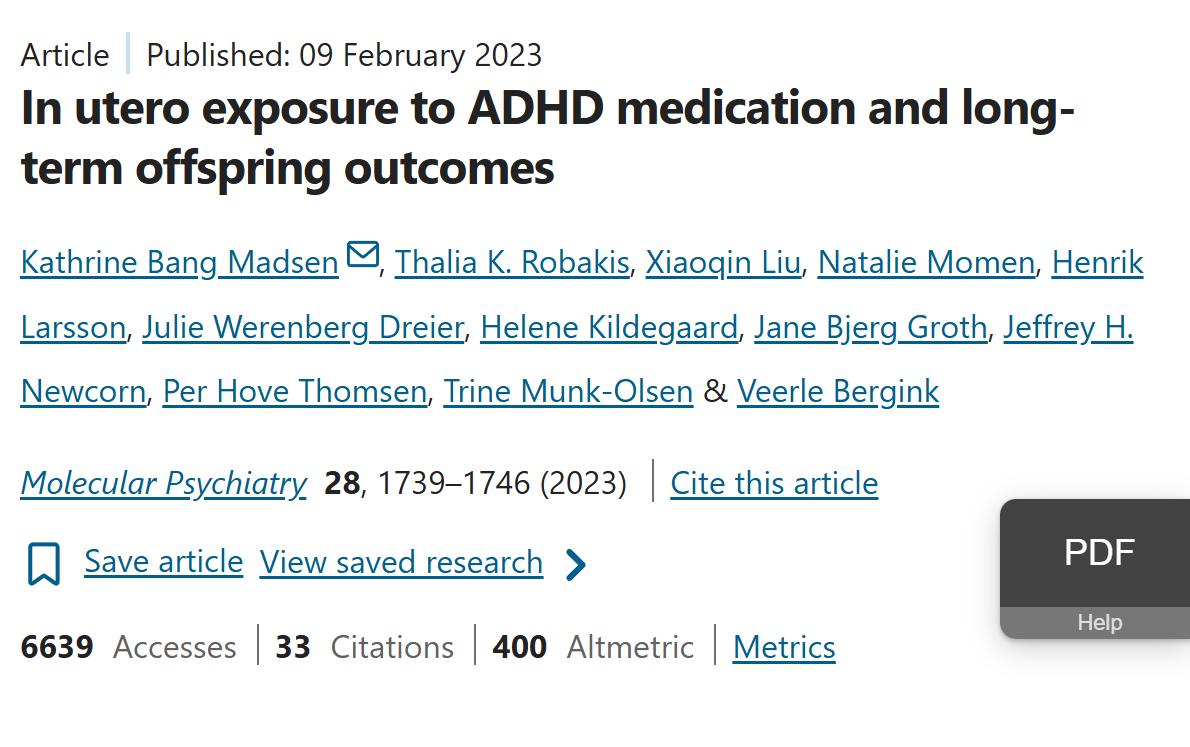
In utero exposure to ADHD medication and long-term offspring outcomes
The authors in this article investigate whether in utero exposure to ADHD medication is associated with adverse long-term neurodevelopmental and growth outcomes in offspring.
Safe Prescribing for Stimulants
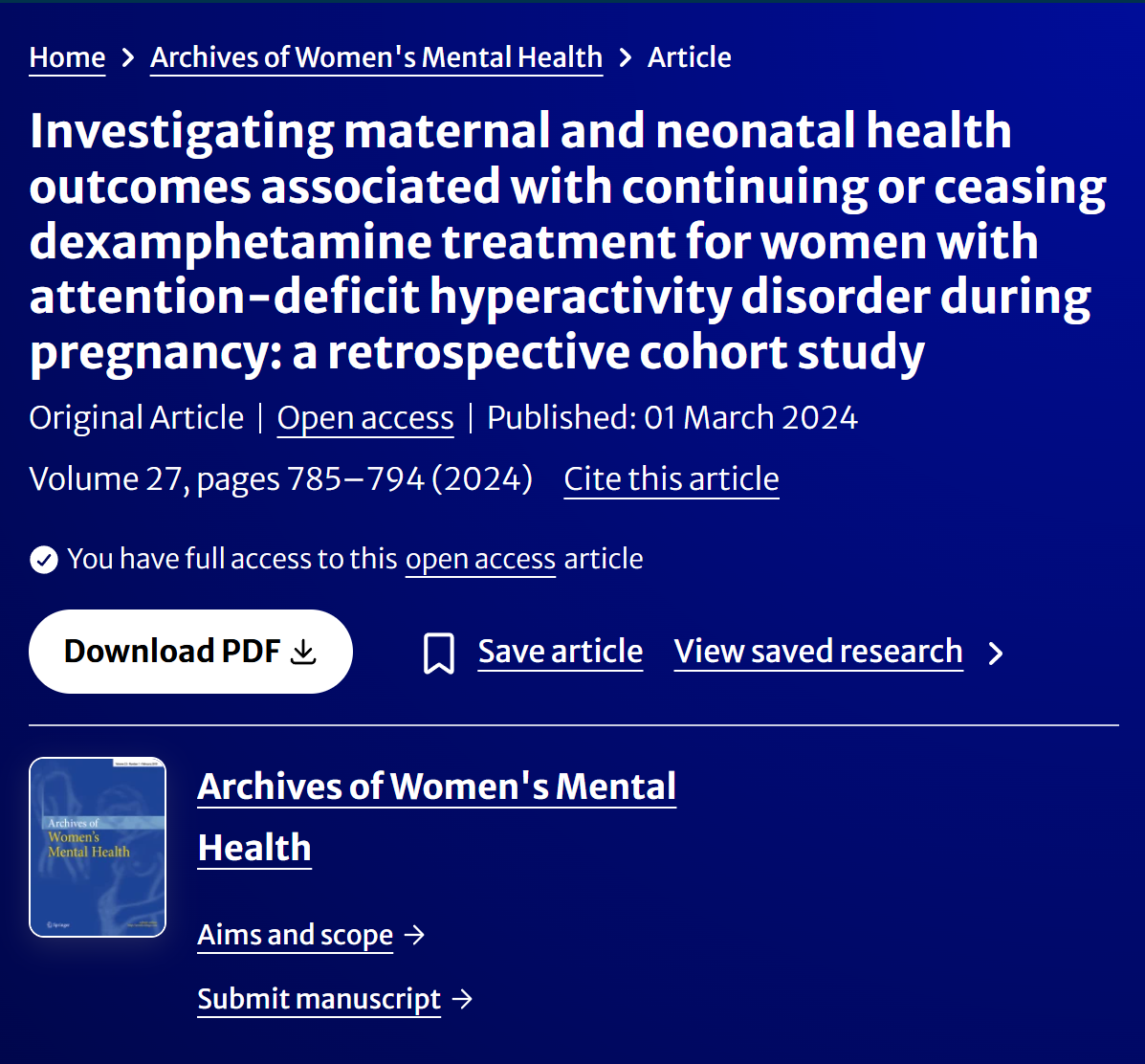
Investigating maternal and neonatal health outcomes associated with continuing or ceasing dexamphetamine treatment for women with attention-deficit hyperactivity disorder during pregnancy: a retrospective cohort study
This population-based retrospective cohort study of women from Western Australia looks at the impact continuing or ceasing stimulant-based (dexamphetamine) treatment of ADHD during pregnancy had on neonatal and maternal health outcomes.
Safe Prescribing for Stimulants
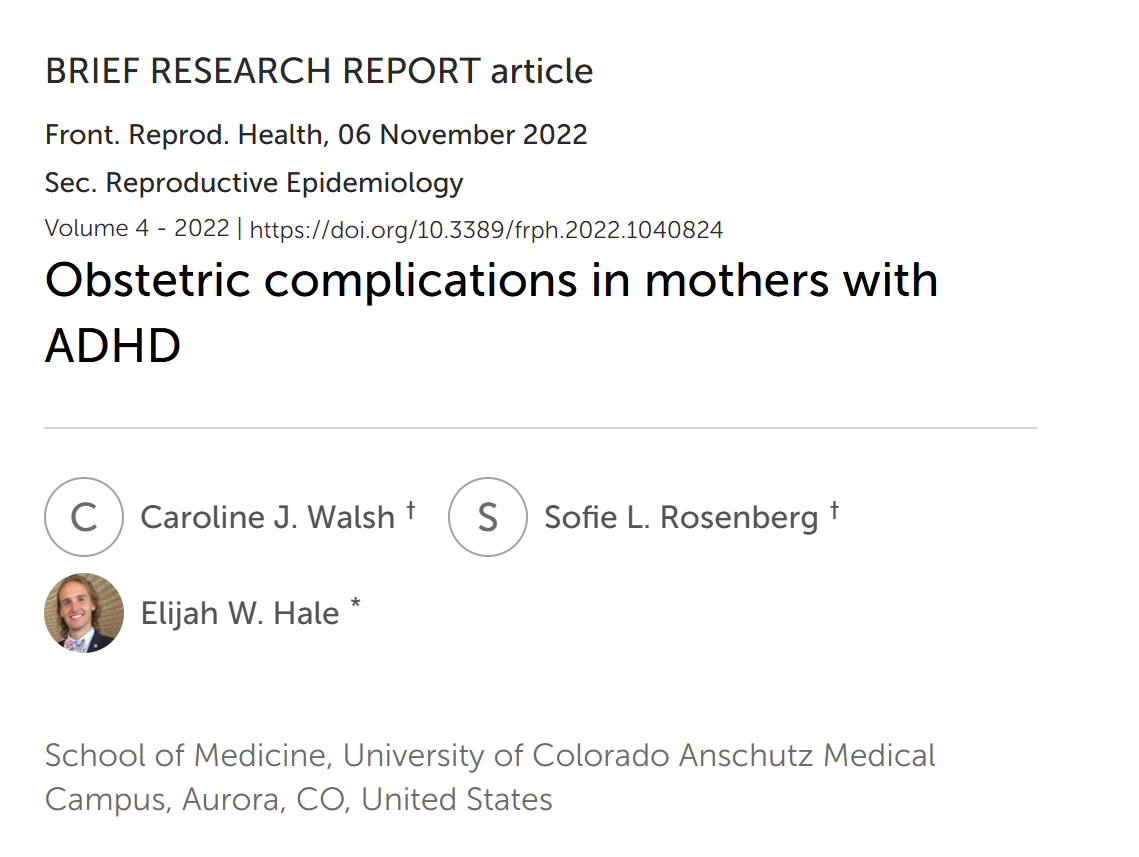
Obstetric complications in mothers with ADHD
This study looks at the intersection of pregnancy and ADHD and the unique pregnancy risk factors for mothers with an ADHD diagnosis, such as anemia, hypertension, hyperemesis, depression, and others.
Safe Prescribing for Stimulants
CHADD: ADHD Medication and Pregnancy
General information on taking stimulants for ADHD management during pregnancy, non-medication alternatives, and more resources on the topic.
Safe Prescribing for Stimulants
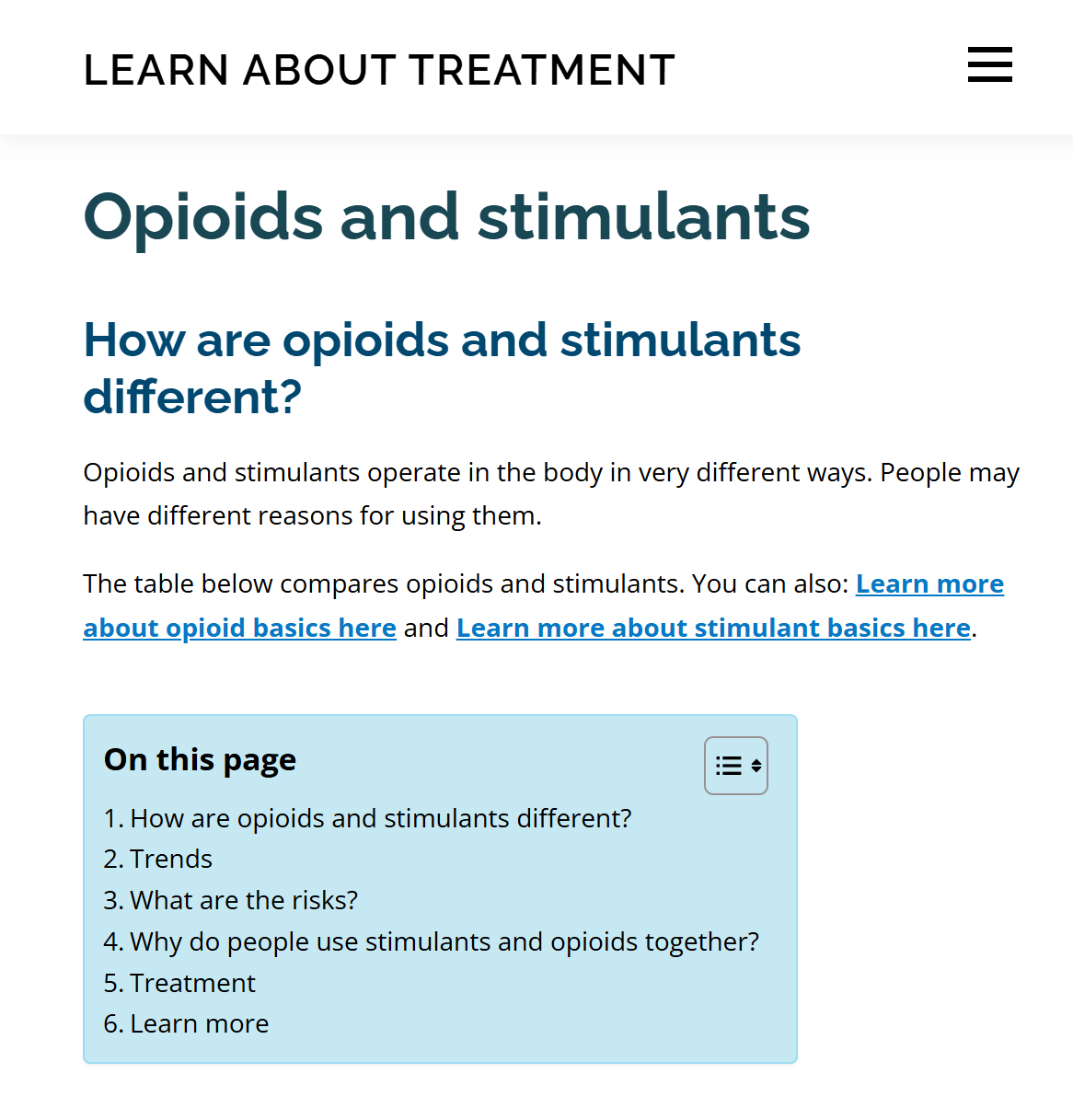
CEDEER and University of Washington ADA: Opioids + Stimulants
This resource gives an overview of opioids vs. stimulants, discusses basic risks of using them, and why people might use them together.
Safe Prescribing for Stimulants
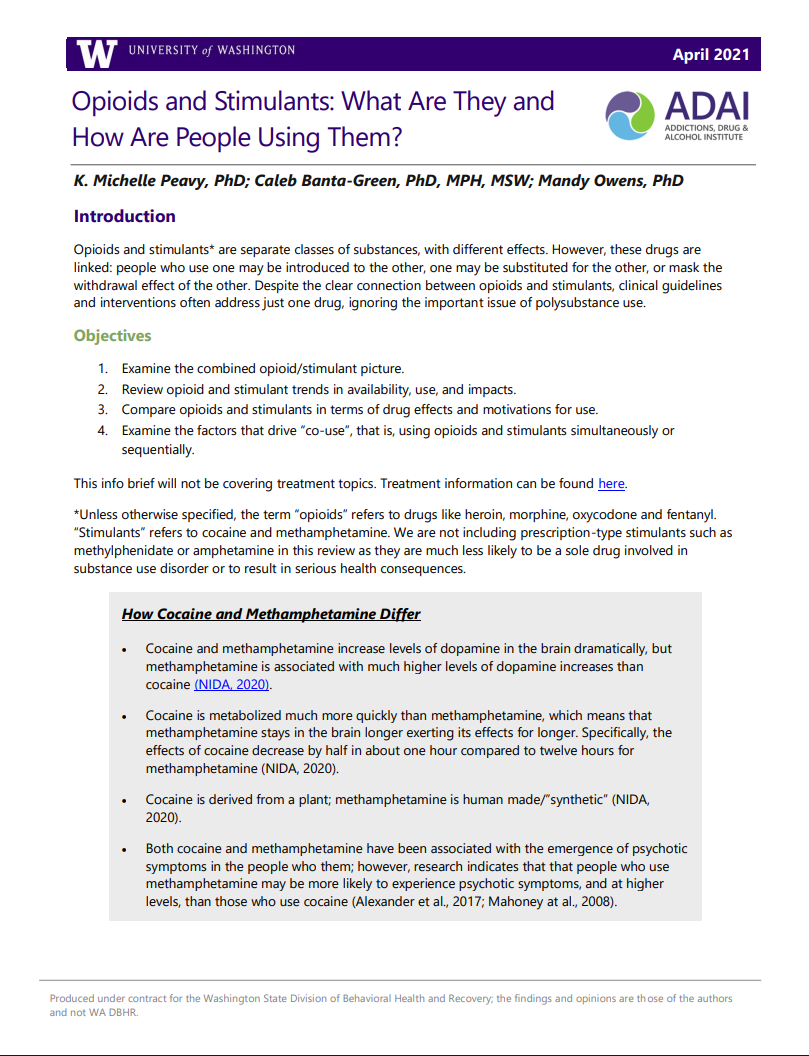
University of Washington: Opioids and Stimulants – What Are They and How Are People Using Them?
This document reviews recent trends in opioid and stimulant use, compares the two types of drugs, and examines the factors that might drive “co-use.” It also calls out the point that clinical guidelines and interventions often address just one drug, and ignore polysubstance use.
Safe Prescribing for Stimulants
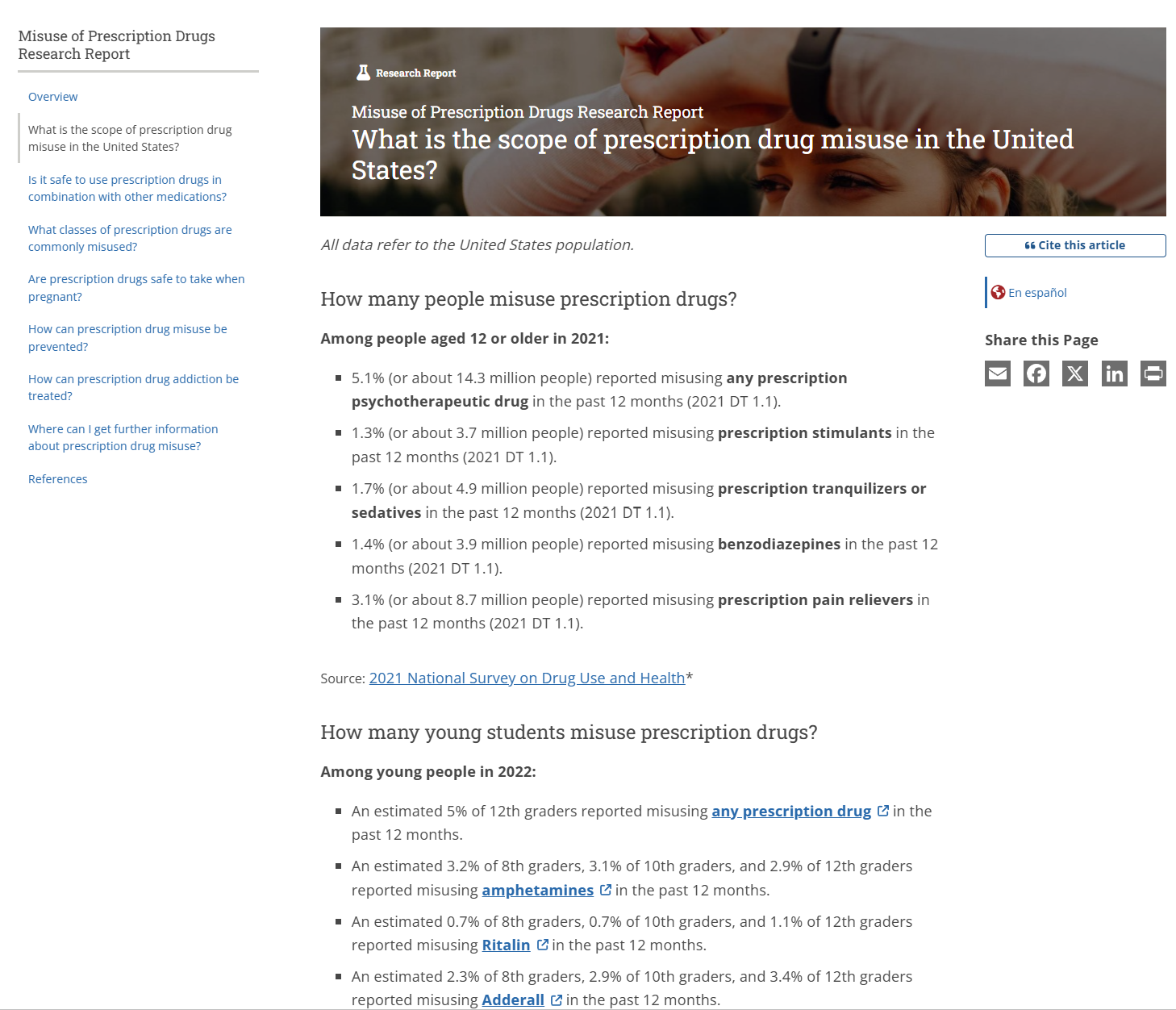
NIDA: Prescription Stimulant Misuse
This Misuse of Prescription Drugs Research Report from the NIDA provides statistics on the scope of prescription stimulant misuse in the United States.
Safe Prescribing for Stimulants
CAMH: Treating Adult ADHD
Comprehensive resource from Canada’s largest mental health teaching hospital that includes information on the role of the primary care provider in treating adults with ADHD, screening and assessment, non-pharmacologic treatment, medications, and general resources.
Safe Prescribing for Stimulants
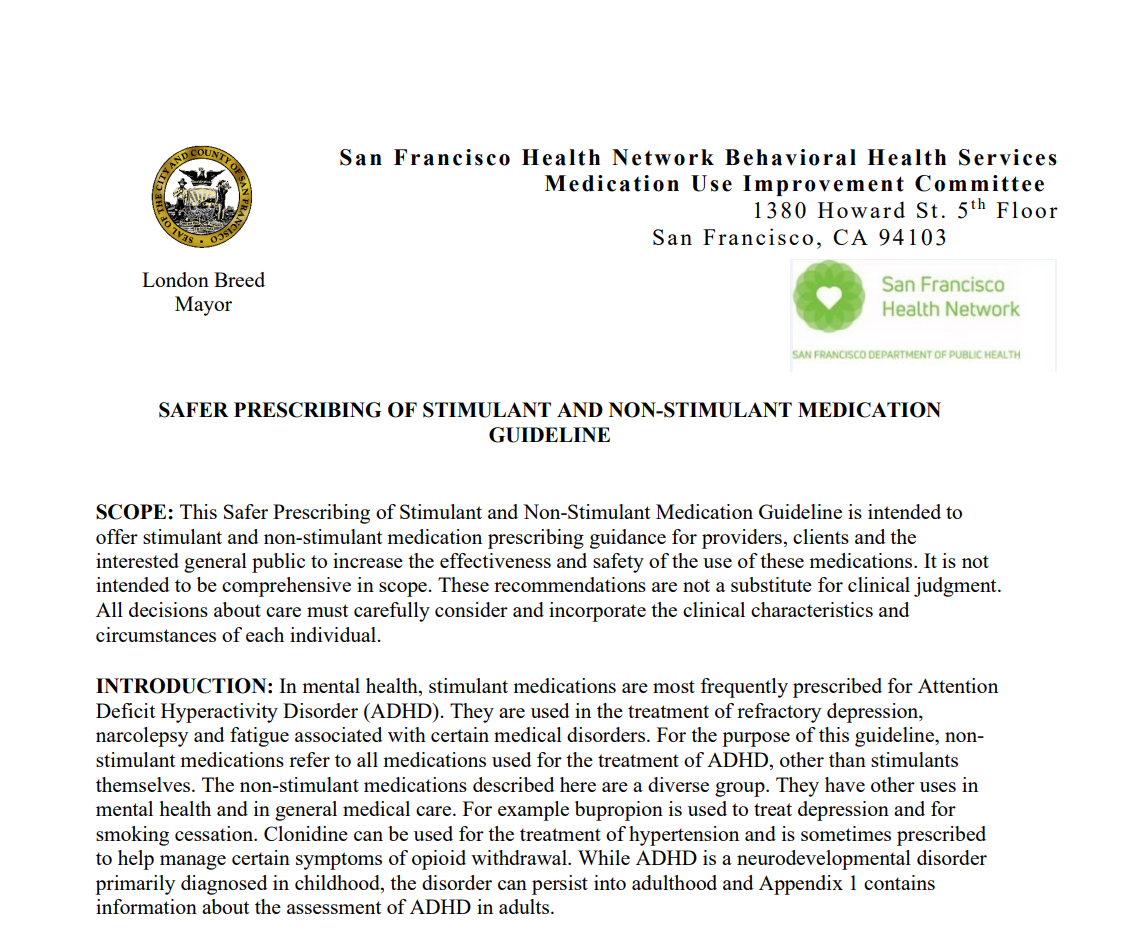
San Francisco Department of Public Health: Stimulant & Non-Stimulant Prescribing Guide
This guide is intended to offer stimulant medication prescribing guidance to increase the effectiveness and safety of the use of these medications.
Safe Prescribing for Stimulants