
Safe Prescribing for Benzodiazepines
Information on safe prescribing recommendations, interactions to be aware of, such as opioids and alcohol with benzodiazepines.
Benzodiazepines are not first-line medications for most conditions, including anxiety and insomnia.
Start with non-medication options
This includes things like:
- Cognitive behavioral therapy
- Cognitive behavioral therapy for insomnia (CBT-I)
- Mindfulness exercises
Consider non-benzodiazepine options
Anxiety and depression medications include:
- SSRIs
- SNRIs
- TCAs
- Mirtazapine
- Hydroxzyzine
- Buspirone
Medications used for acute situations (e.g. situational anxiety):
- Hydroxyzine
- Propranolol
Insomnia medications include:
- Melatonin receptor agonists (i.e., over the counter melatonin, Ramelteon [Rozerem], Tasimelteon [Hetlioz])
- Dual orexin receptor antagonists (i.e., Suvorexant [Belsomra], Lemborexant [Dayvigo], Dairdorexant [Quviviq])
- Doxepin, trazodone, mirtazapine
Benzodiazepine prescribing should be for rare circumstances, of less than 4 weeks duration, and at the lowest possible dose
If benzodiazepines need to be prescribed, they should only be prescribed for 2-4 weeks. Start with the lowest possible dose, then adjust as needed.
Special attention should be given to the pharmacokinetics of benzodiazepines if a benzodiazepine is absolutely necessary:
Alprazolam
Alprazolam should be avoided due to its quick onset and short duration, which contribute to high misuse potential and difficulty tapering.
Temazepam
Temazepam may be a better benzodiazepine option for patients with insomnia due to its longer half-life.
Lorazepam/ Diazepam
Lorazepam and diazepam may be better benzodiazepine options for patients with anxiety in certain scenarios due to relatively quicker onset and moderate to longer half-lives, respectively.
Patients should be counseled regarding the dangers of benzodiazepine prescribing
It can be helpful to fill out a patient-provider agreement for providing benzodiazepines. In this agreement, you can go over risks, benefits, and the management plan.
View AgreementBenzodiazepines are potentially inappropriate for most older adults
The AGS Beers Criteria® recommends avoiding benzodiazepines in many older adults due to increased risk of harm.
Risks increase with age
Benzodiazepine use in older adults is associated with falls, fractures, cognitive impairment, delirium, sedation, and motor vehicle accidents.
Use often exceeds evidence-based recommendations
Research suggests benzodiazepines are prescribed to older adults more often and for longer durations than the evidence supports.
Be aware of other medications that might interact
It’s important to thoroughly review any other medications an older adult might be taking to minimize adverse interactions.
Use caution when prescribing benzodiazepines and opioids together
Patients using benzodiazepines and opioids concurrently have a higher risk of overdose. This risk of overdose is also a concern for patients on Medications for Opioid Use Disorder (MOUD), such as methadone or buprenorphine. Use caution and your best clinical judgment when deciding to prescribe these medications concurrently.
Check the Prescription Drug Monitoring Program to determine current prescriptions
It can be helpful to check the PDMP to see if another medical provider has prescribed opioids or other benzodiazepines or z-drugs to your patient.
Prescribe naloxone
Make sure you prescribe naloxone and educate your patients and their families if you are prescribing opioids and benzodiazepines.
Screening for misuse
Benzodiazepine substance use disorder can be diagnosed using DSM-5 criteria. The Severity Dependence Scale is a simple, 5-question screening tool validated for use in the community. It can be administered by the clinician or self-administered by the patient.
- Do you think your use of (substance) is out of control?
- Does the prospect of missing a dose make you feel anxious or worried?
- Do you worry about your use of (substance)?
- Do you wish you could stop?
- How difficult do you find it to stop or go without (substance)?
Filters
Selecting filters will auto-adjust the list.
Type at least three characters, and the list will auto-filter.
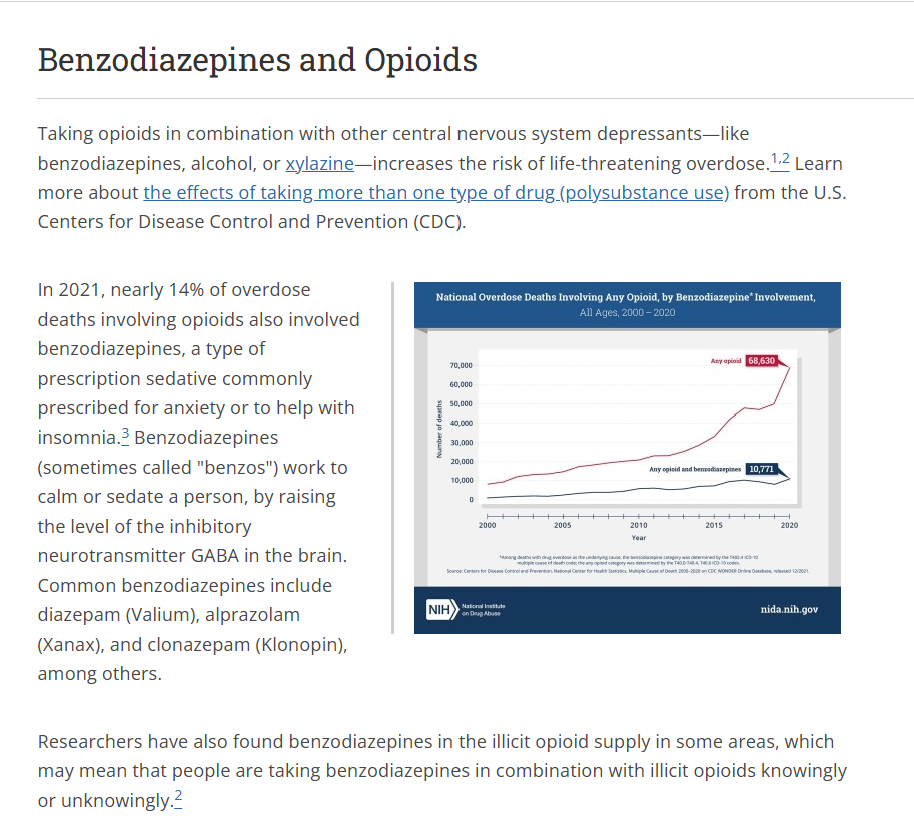
NIDA: Benzodiazepines and Opioids
This webpage highlights the research behind the increased risk of co-prescribing opioids and benzodiazepines. The risks addressed include being admitted to or visiting the ED, life-threatening overdose, or death due to overdose.
Benzodiazopine Toolkit-Safe Prescribing Guidelines
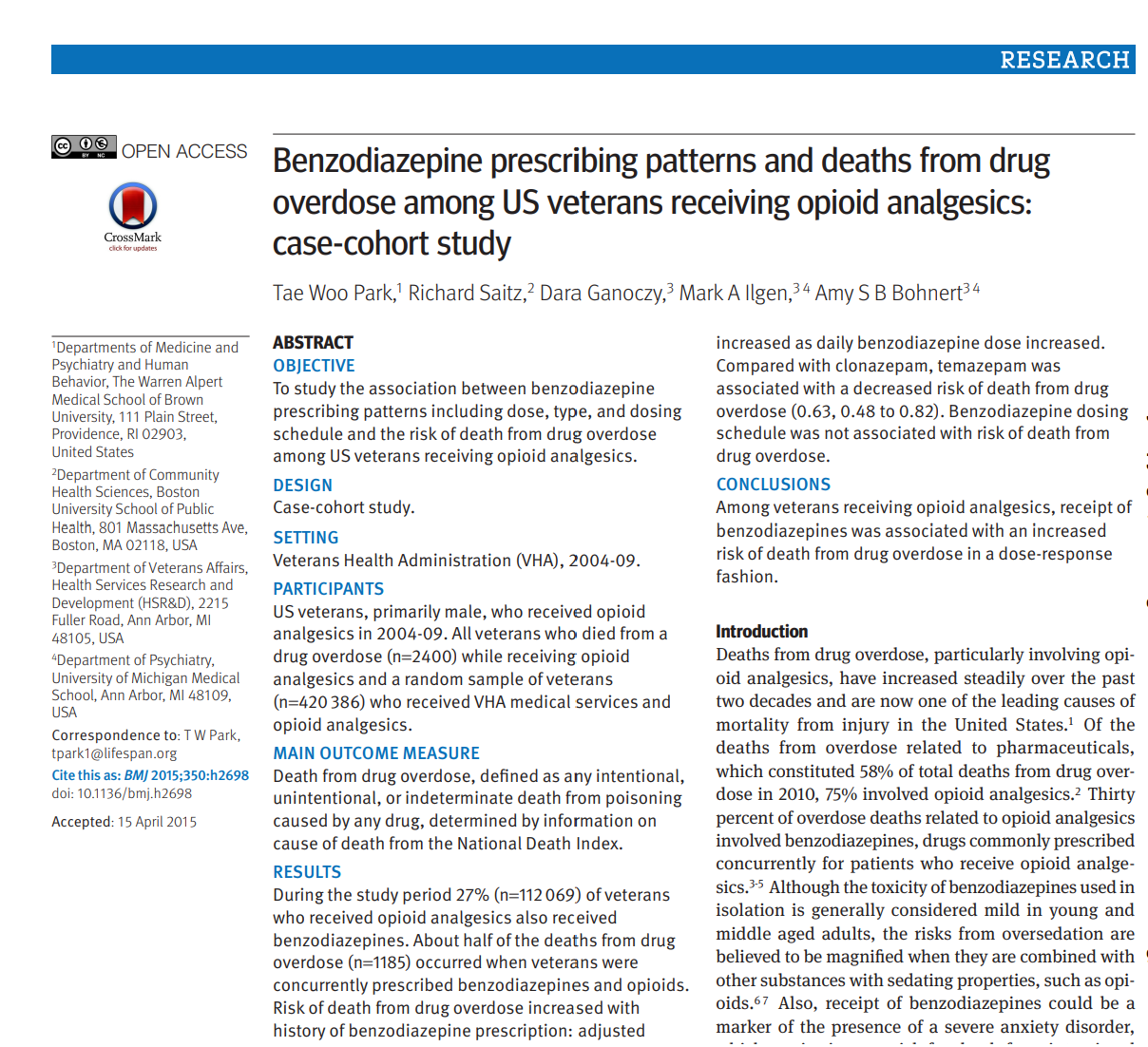
Benzodiazepine Prescribing Patterns And Deaths From Drug Overdose Among US Veterans Receiving Opioid Analgesics: Case-Cohort Study
This article evaluated US veterans, primarily male, who received opioid analgesics in 2004-09, studying the association between benzodiazepine prescribing patterns including dose, type, and dosing schedule and the risk of death from drug overdose among US veterans receiving opioid analgesics.
Benzodiazopine Toolkit-Safe Prescribing Guidelines
An Examination of Concurrent Opioid and Benzodiazepine Prescribing In 9 States
This study analyzed concurrent opioid and benzodiazepine prescribing in 9 states using the 2015 Prescription Behavior Surveillance System, a multistate database of de-identified prescription drug monitoring program data. Concurrent prescribing rates were examined among individuals with both an opioid and a benzodiazepine prescription.
Benzodiazopine Toolkit-Safe Prescribing Guidelines

CDC: Polysubstance Use Facts
This webpage provides quick facts and videos on the risk of using multiple substances at once for a general audience.
Benzodiazopine Toolkit-Safe Prescribing Guidelines

VA: Do You Take Both Opioids and Benzodiazepines? Patient Education Brochure
This brochure for patients provides information on the dangers of polysubstance use, Naxolone, and the next steps in talking to their provider about their medications.
Benzodiazopine Toolkit-Safe Prescribing Guidelines
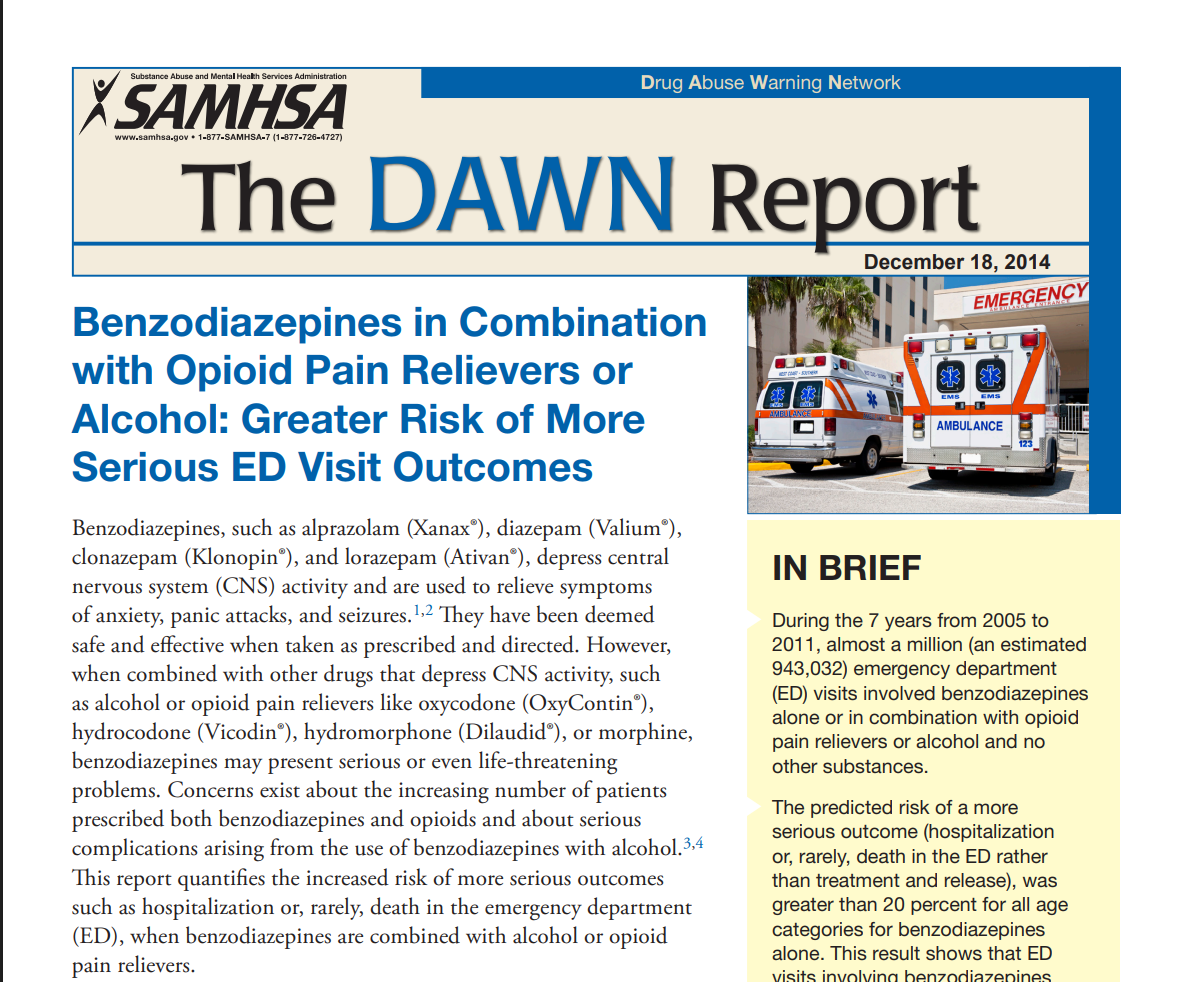
The DAWN Report: Benzodiazepines in Combination with Opioid Pain Relievers or Alcohol – Greater Risk of More Serious ED Visit Outcomes.
This report details the increased risk of more serious ED visit outcomes that come with combining benzodiazepines with opioid pain relievers or alcohol. It looks at the impact across different patient ages and drug combinations.
Benzodiazopine Toolkit-Safe Prescribing Guidelines
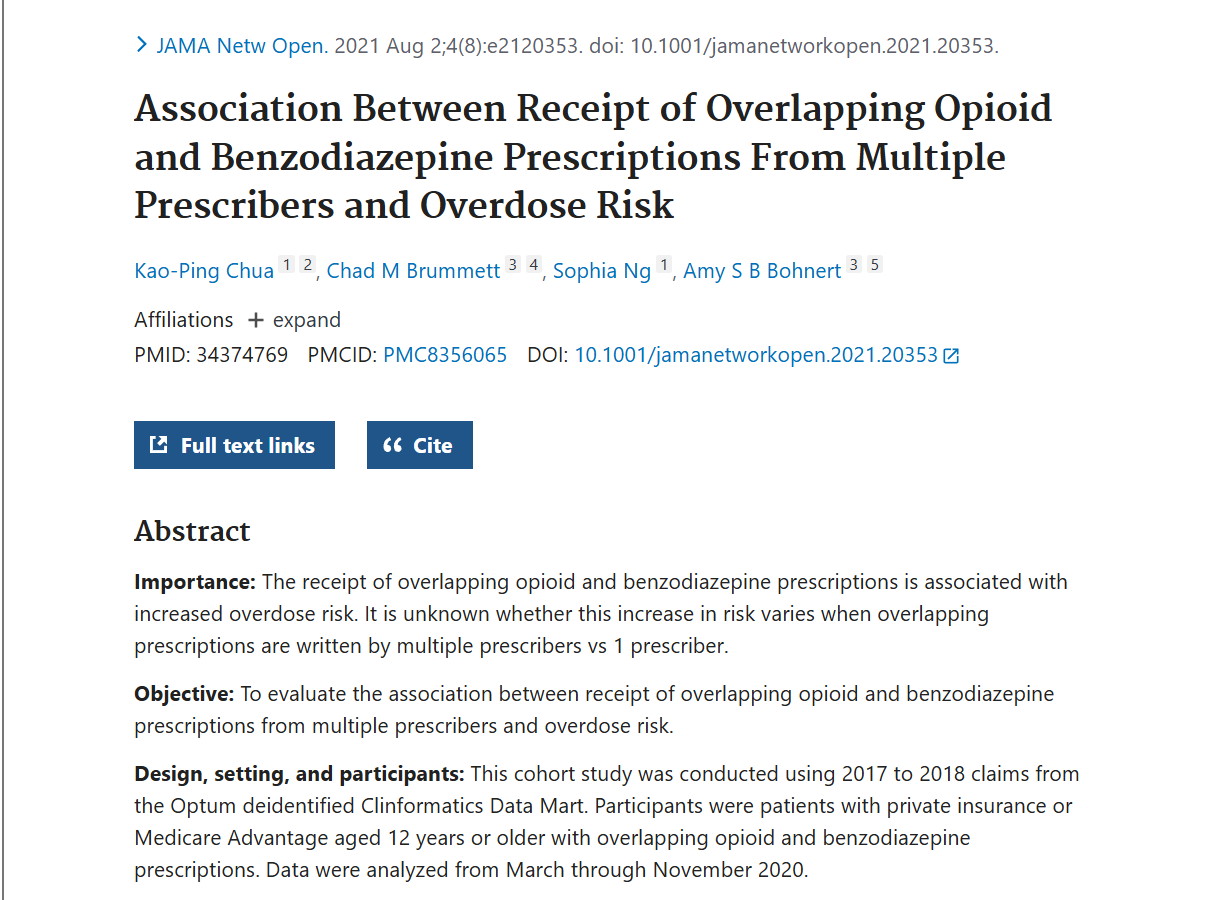
Association Between Receipt of Overlapping Opioid and Benzodiazepine Prescriptions From Multiple Prescribers and Overdose Risk
In this study of patients with private insurance or Medicare Advantage, overdose risk was increased 1.8-fold when opioid-benzodiazepine overlap involved prescriptions from multiple prescribers vs 1 prescriber. This increase remained statistically significant after adjusting for prescribing patterns, demographics, and comorbidities.
Benzodiazopine Toolkit-Safe Prescribing Guidelines
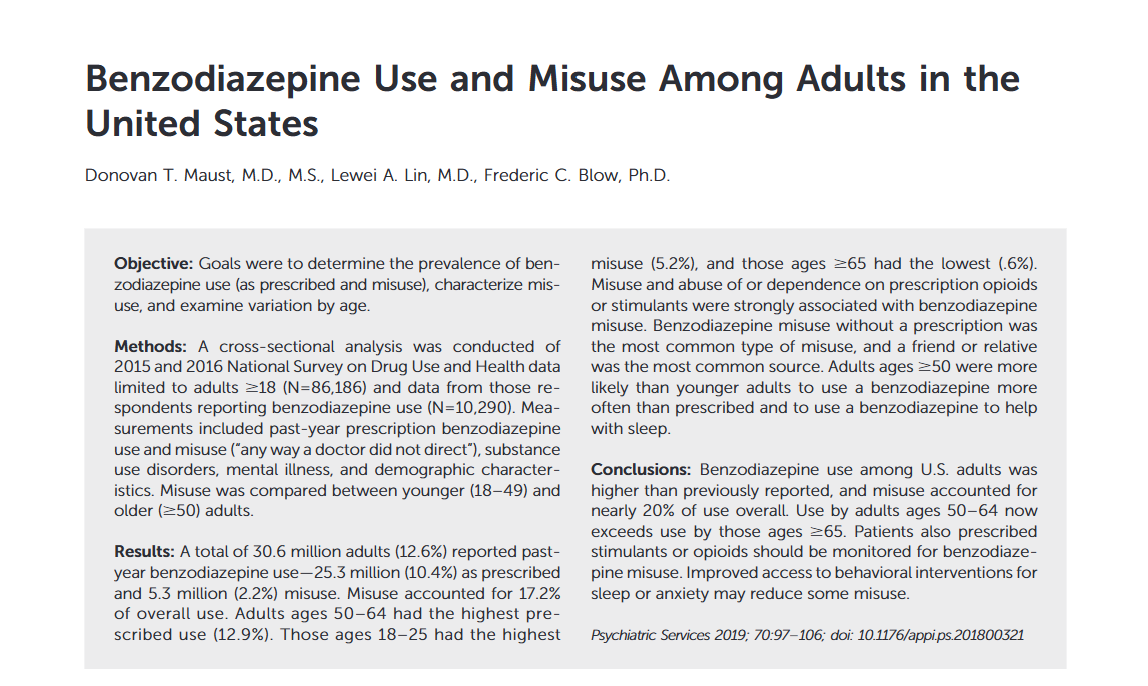
Benzodiazepine Use And Misuse Among Adults In The United States.
This 2018 cross-sectional analysis was conducted to determine the prevalence of benzodiazepine use among U.S. adults in 2015 and 2016, including both use as-prescribed and misuse. It also characterizes misuse and determines whether and how misuse varies by age.
Benzodiazopine Toolkit-Safe Prescribing Guidelines
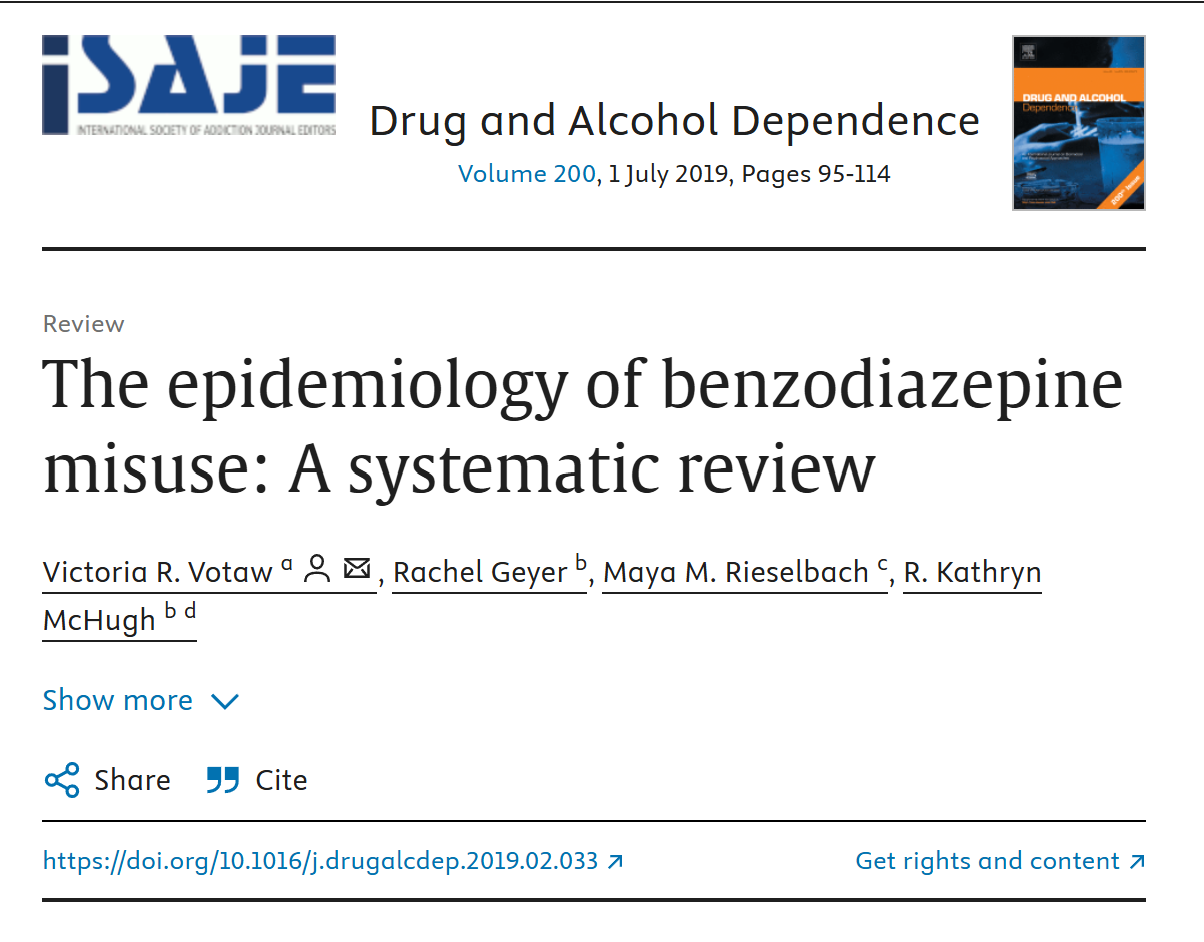
The Epidemiology Of Benzodiazepine Misuse: A Systematic Review.
This 2019 systematic review looks at various epidemiological studies on benzodiazepine misuse, identifying key findings, limitations, and future directions for research on this growing public health problem.
Benzodiazopine Toolkit-Safe Prescribing Guidelines
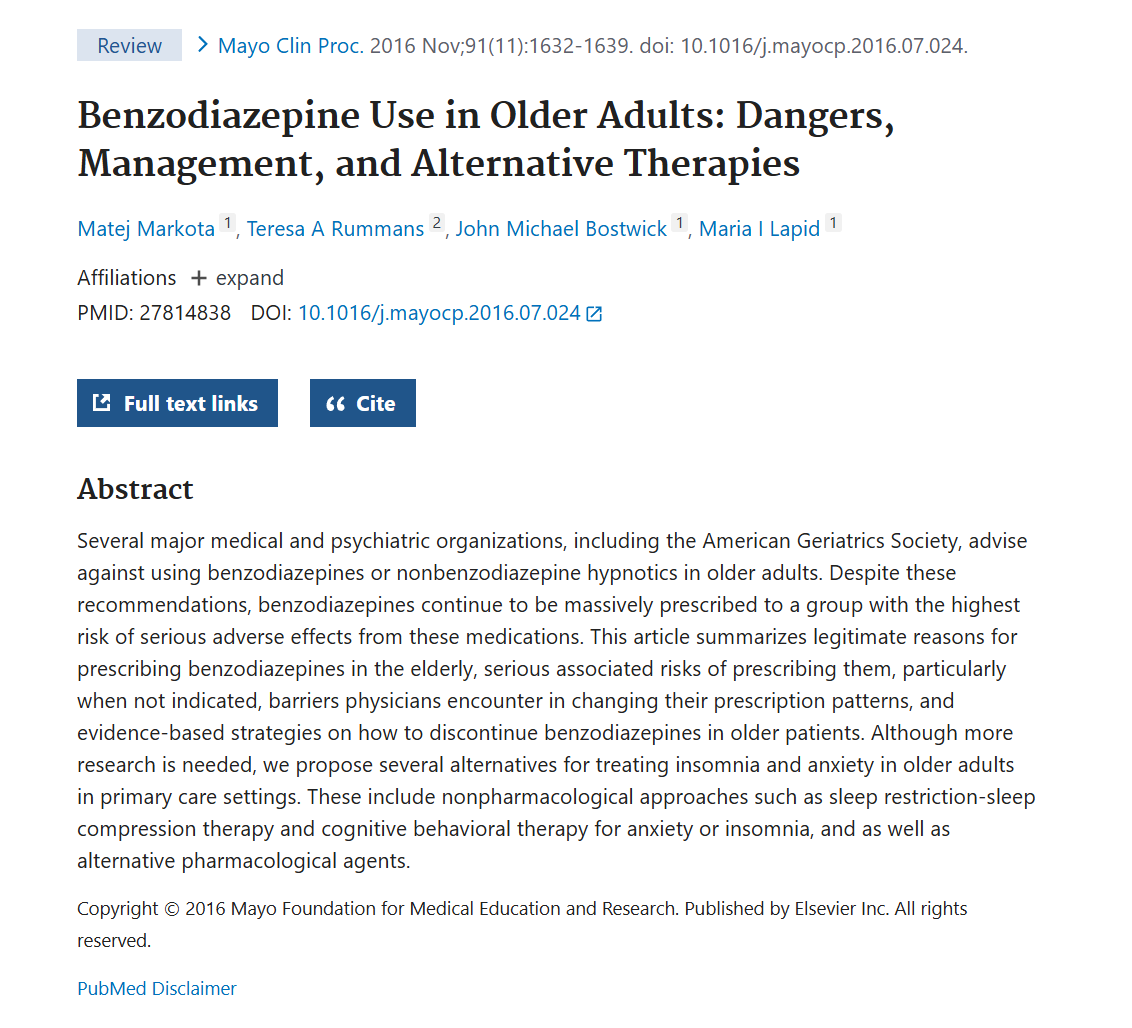
Benzodiazepine Use In Older Adults: Dangers, Management, And Alternative Therapies.
This article summarizes legitimate reasons for prescribing benzodiazepines in the elderly, serious associated risks of prescribing them, particularly when not indicated, barriers physicians encounter in changing their prescription patterns, and evidence-based strategies on how to discontinue benzodiazepines in older patients. The authors also propose several alternatives for treating insomnia and anxiety in older adults in …
Benzodiazopine Toolkit-Safe Prescribing Guidelines

Centre for Effective Practice: Managing Benzodiazepine Use in Older Adults
This 12-page resource has tools for primary care providers to assess and discuss with their patients 65 years or older on the potential risks and benefits of benzodiazepines. This tool also contains steps to support primary care providers in safely discontinuing, starting, or prescribing benzodiazepines for their older patients, along with patient resources.
Benzodiazopine Toolkit-Safe Prescribing Guidelines

Benzodiazepine Information Coalition: Impact on the Older Adult Population
This page speaks on the risks of prescribing benzodiazepines to older adults over 65 and the different physical and mental impacts benzodiazepines have on their bodies.
Benzodiazopine Toolkit-Safe Prescribing Guidelines